Black iron gas pipe Ontario is the standard requirement for most indoor natural gas installations because it provides the durability and pressure resistance mandated by the CSA B149.1 code. Licensed technicians typically prefer black iron for main lines and appliance connections to ensure structural integrity; however, proper bonding and corrosion protection are essential to meet TSSA safety regulations.
Homeowners across Ontario often find themselves caught in a cycle of conflicting advice when planning a gas line installation for a new range, BBQ, or fireplace. Choosing between black iron pipe and copper tubing involves more than just a cost comparison; it is about ensuring your home remains safe and fully compliant with TSSA regulations. At Kawartha Heating Solutions, we know that understanding the technical nuances of gas distribution is vital for the longevity of your appliances and the security of your property. This article breaks down the CSA B149.1 standards governing black iron and copper, explores why specific materials are mandatory for indoor natural gas, and highlights the critical safety requirements for bonding dissimilar metals. By the end, you will understand exactly what Ontario code requires and which piping solution best serves your specific household needs.
Understanding the Standard: Black Iron Pipe vs Copper Tubing
In Ontario, the two primary materials used for gas distribution are black iron and copper. While often used interchangeably in casual conversation, the CSA B149.1 code treats them as distinct categories. Black iron is technically a rigid steel pipe, characterized by its thick walls and immense structural integrity. Copper, on the other hand, is classified as tubing. This distinction is vital because it dictates how the materials are joined, supported, and protected within a residential or seasonal structure.
The physical properties of these materials determine their application. Black iron provides superior durability and resistance to physical damage, making it the preferred choice for main headers in a certified furnace installation. Its rigidity ensures that long runs remain straight and secure over decades of service. Copper tubing offers flexibility, allowing technicians to navigate tight spaces or follow the contours of a building without the need for numerous threaded elbow fittings.
For homeowners in the Kawarthas, the selection often aligns with the specific fuel source and property type. Residential properties in Norwood typically utilize black iron gas pipe Ontario standards for natural gas systems. Meanwhile, lakeside cottages often rely on propane. In these rural settings, copper tubing is frequently chosen for its ease of installation in crawlspaces and its ability to withstand the external environments common to propane tank setups.
The Ontario Gas Code: What CSA B149.1 and TSSA Actually Say
Navigating the regulations for gas installations requires a clear understanding of the CSA B149.1 Natural Gas and Propane Installation Code. A frequent point of confusion for homeowners in Norwood is the legality of copper. Contrary to popular belief, copper is not illegal for gas lines in Ontario. However, the code is very specific about the grade of material allowed. Only Type L, Type K, or Type G copper tubing is permitted. Type G is particularly notable as it is manufactured specifically for gas applications, often featuring a yellow marking for easy identification.
The code strictly prohibits the use of ACR (Air Conditioning and Refrigeration) tubing for gas distribution. While ACR might look similar to gas-rated tubing, it lacks the necessary wall thickness and internal cleanliness standards required to handle fuel gases safely. Using the wrong material can lead to premature degradation or catastrophic failure under pressure. While black iron gas pipe Ontario standards remain the gold standard for indoor natural gas runs due to their immense durability, copper remains a compliant alternative when these correct specifications are met.
The Technical Standards and Safety Authority (TSSA) enforces these requirements to ensure every system can withstand the operational pressures of modern appliances. Compliance with these standards is about preventing gas leaks that could jeopardize your home. The TSSA requires that only individuals with valid G1, G2, or G3 licenses perform this work. These technicians undergo rigorous training and testing to ensure they understand the nuances of TSSA certification and maintenance. By adhering to the CSA B149.1 code, installers ensure that transitions between materials and the selection of fittings meet the highest safety benchmarks for the Ontario climate.
Why Black Iron Gas Pipe is the Choice for Indoor Natural Gas
The structural rigidity of black iron gas pipe Ontario standards makes it the logical choice for the high-demand interior areas of a home. Unlike softer tubing, this schedule 40 steel resists crushing, bending, or accidental puncture. This physical durability is crucial in high-traffic residential basements across Norwood and Peterborough where gas lines are often exposed near storage areas or workspaces.
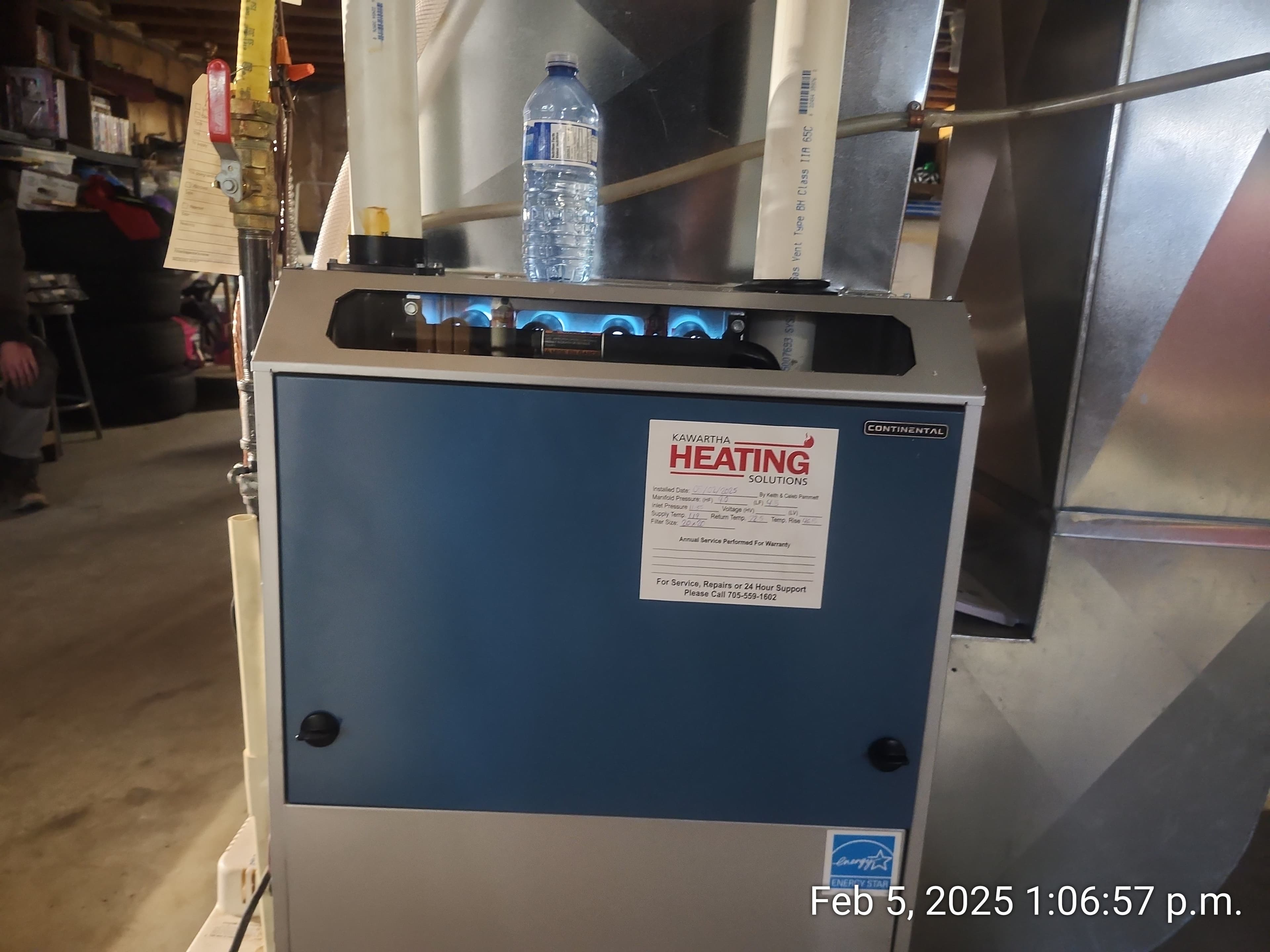
The reliability of these systems stems from their mechanical threaded connections. When our technicians perform a certified furnace installation, they ensure every joint is meticulously prepared. We use specialized gas-rated pipe dope or high-density yellow Teflon tape, which is specifically formulated to resist the chemical breakdown caused by hydrocarbons. These sealed threads create a permanent, pressure-tight bond capable of withstanding the vibrations and thermal expansion cycles common in modern heating systems.
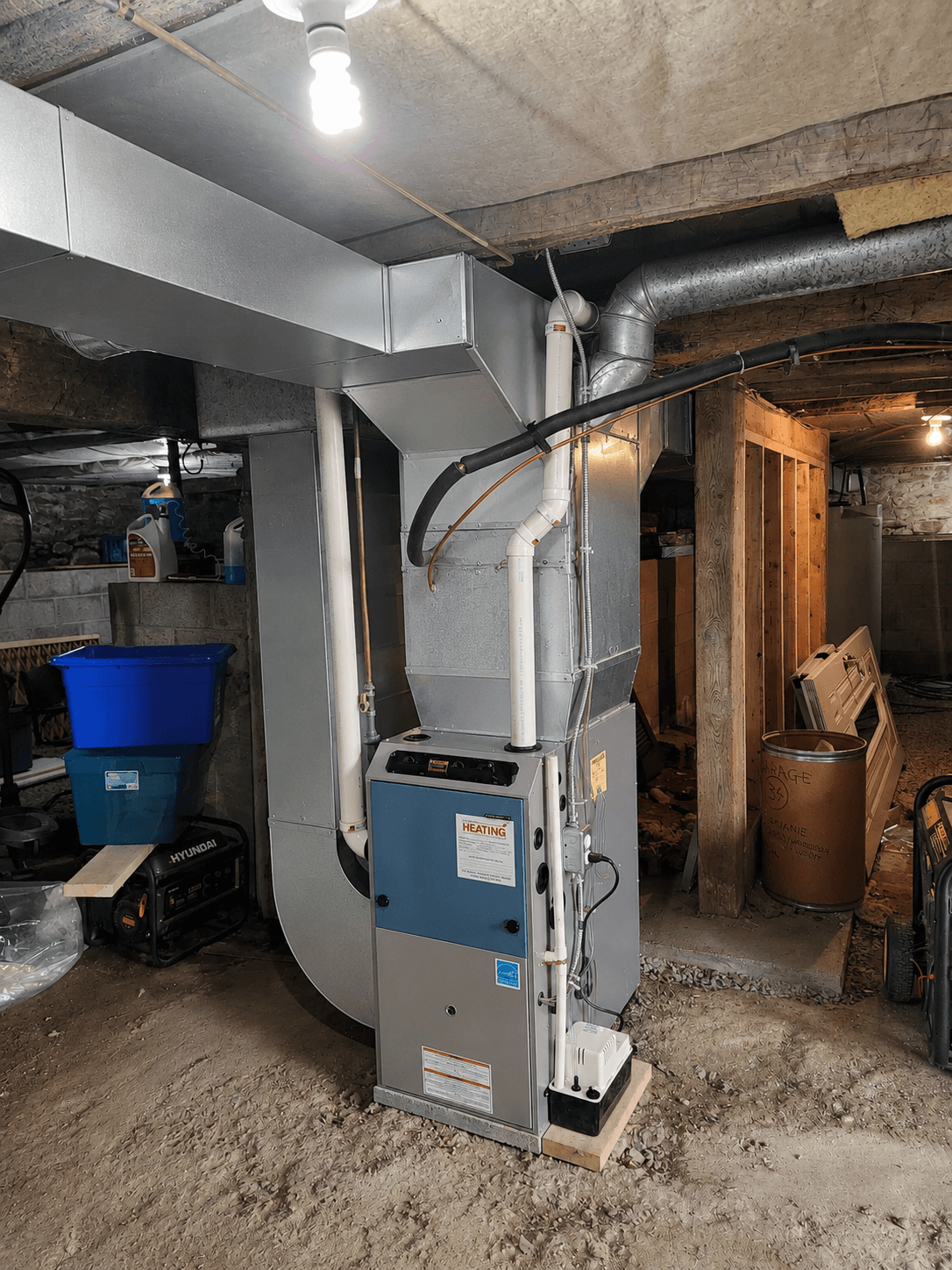
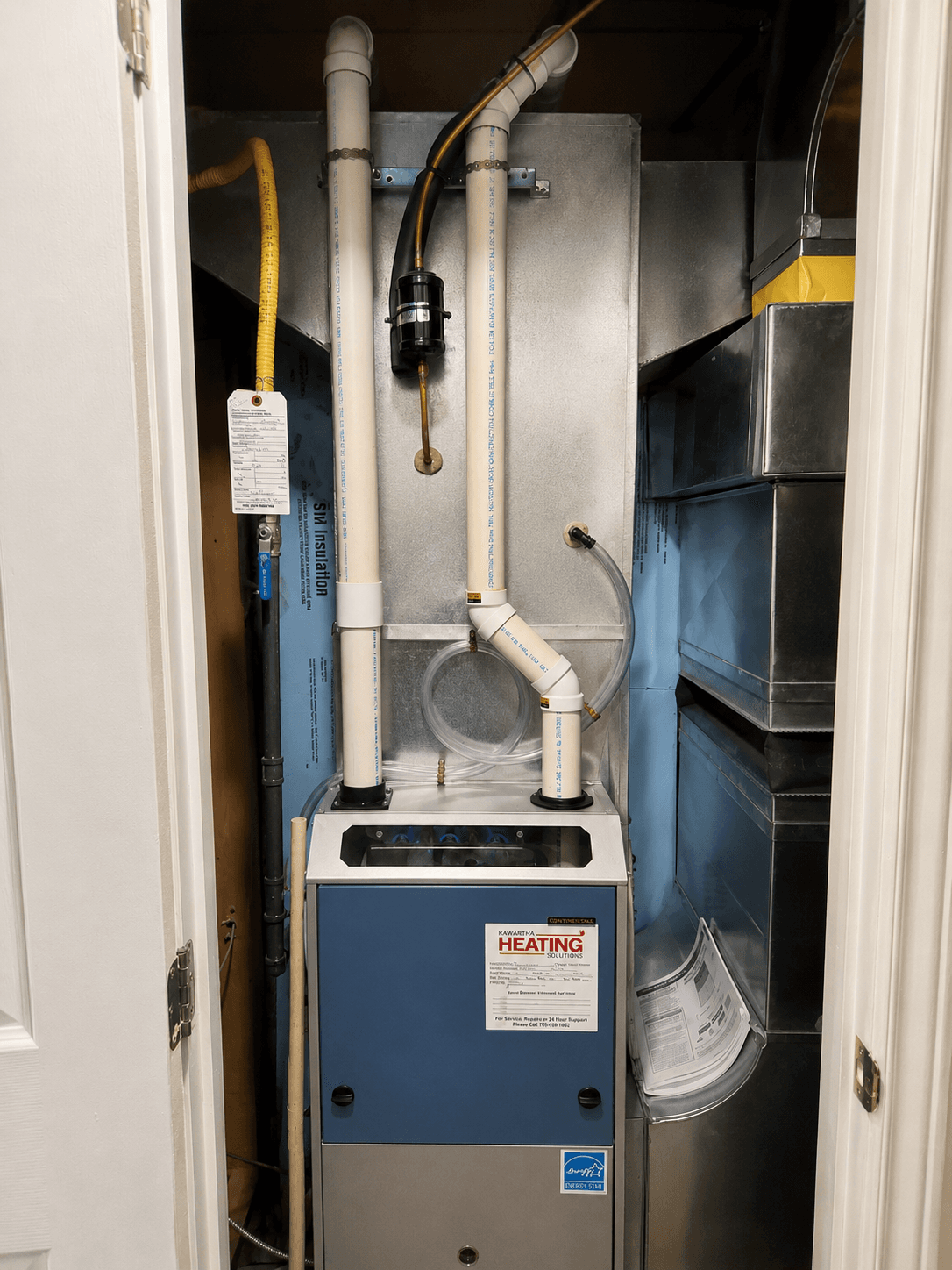
Because it maintains its shape without sagging, black iron is the preferred material for main headers, the primary large-diameter lines that serve as the backbone of the gas distribution system. From these headers, branches extend to individual appliances like the furnace and water heater. This rigid construction allows for precise support and anchoring, ensuring that the weight of the piping never puts stress on the appliance's internal gas valve.
When Copper Tubing is Legal and Practical for Gas Lines
Copper tubing serves specific roles where the rigidity of black iron gas pipe Ontario installations would be impractical. For many lakeside cottages around the Kawarthas, propane is the primary fuel source. Copper is exceptionally compatible with propane because the fuel typically lacks the high sulfur content found in some natural gas supplies, which can cause internal flaking or corrosion in copper lines over time.
The method of joining copper is strictly regulated to prevent leaks. In accordance with CSA B149.1, all copper connections must utilize flared fittings. Compression fittings, while common in water plumbing, are not code-legal for gas because they do not provide the vibration resistance or gas-tight integrity required for fuel distribution. When our team performs a gas fireplace installation, we often utilize a copper whip as the final connection to the internal valve.
This small section of tubing provides the necessary flexibility to navigate the firebox enclosure without risking the integrity of the main supply line. This application ensures that the appliance can be serviced or adjusted without straining the rigid header system, maintaining the long-term safety of the entire installation. By utilizing copper in these specialized scenarios, technicians can maintain a high standard of safety while overcoming the physical constraints of tight crawlspaces or complex appliance orientations.
Natural Gas for Specific Appliances: BBQs, Ranges, and Fireplaces
Connecting an appliance involves more than just reaching the unit; it requires selecting the correct delivery method for the specific load and movement of that machine. For indoor ranges and clothes dryers, a rigid connection is impractical because these appliances often need to be moved for cleaning or servicing. The standard installation involves running a rigid line to the vicinity of the appliance and then transitioning to a certified flexible stainless steel connector. This corrugated tubing provides the necessary range of motion to pull the unit away from the wall without risking a fracture in the pipe threads or stressing the internal valves.
Outdoor BBQ installations have distinct requirements regarding environmental exposure. If a technician extends a black iron gas pipe Ontario line to a deck or patio, the steel must be protected from moisture to prevent surface rust and eventual pitting. This typically involves applying weather-resistant paint or specialized protective wraps. Furthermore, Ontario code requires a certified quick-connect fitting for portable grills, which includes an integrated manual shut-off valve. A professional BBQ line installation in the Norwood area generally requires two to four hours of labor to ensure the line is correctly pitched, supported, and leak-tested.
Fireplaces present a different challenge involving specific BTU (British Thermal Unit) ratings. The internal gas valve of a modern unit requires a precise volume of gas to maintain a stable flame and prevent soot buildup. During a gas fireplace installation, sizing the final run of pipe is critical. If the diameter is too small for the distance the gas must travel from the main header, the appliance will be starved of fuel. This leads to poor heat output and frequent pilot light failures, illustrating why appliance-specific calculations are mandatory under TSSA regulations.
Critical Safety Requirements: Bonding and Dissimilar Metals
Beyond the structural layout, two technical requirements under the Ontario Gas Code are non-negotiable for system safety. The first is electrical bonding. The TSSA and the Electrical Safety Authority (ESA) require that all gas piping be bonded to the home’s main electrical grounding system. This protects the structure during lightning strikes or electrical faults. Without this bond, a high-voltage surge could arc toward the gas line, potentially blowing a hole through the pipe wall and causing a catastrophic leak. By creating a continuous path to the ground, the system safely dissipates energy that would otherwise seek a path through your appliances.
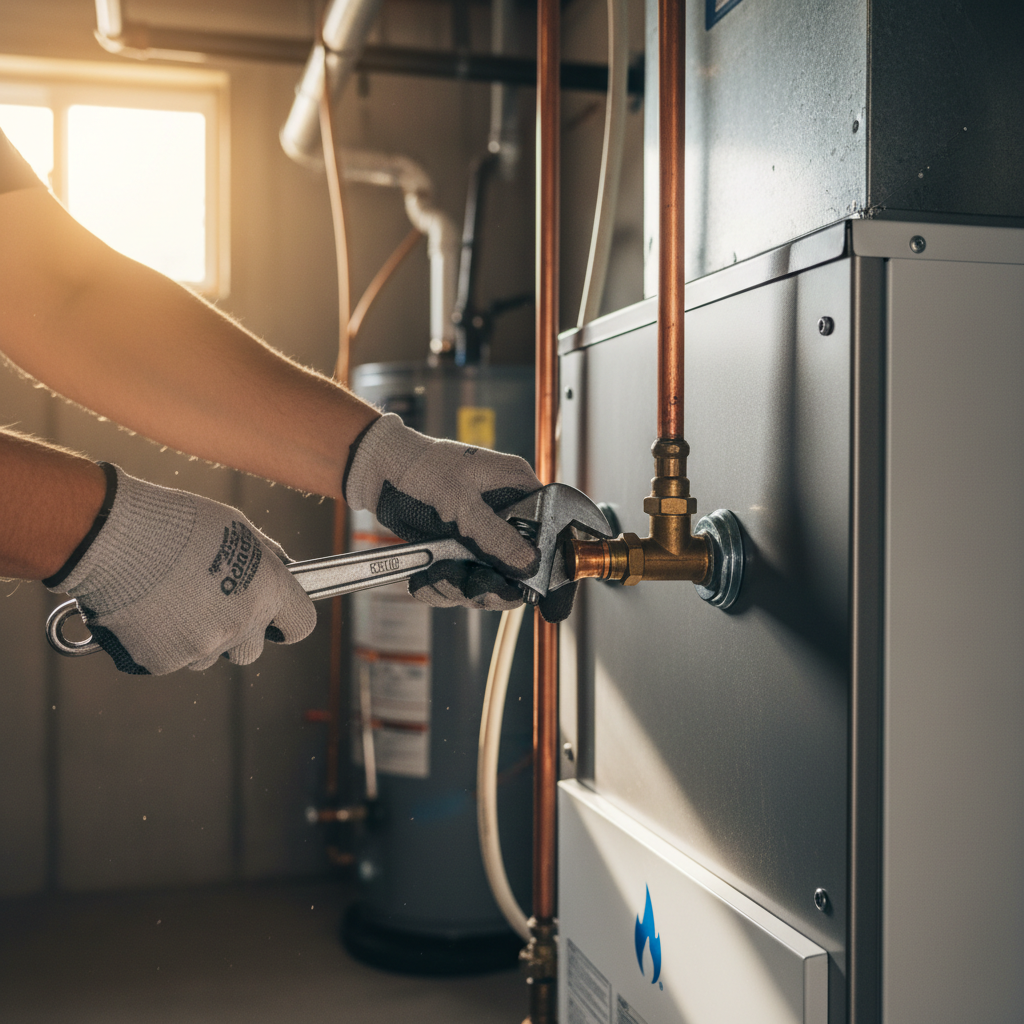
The second requirement addresses galvanic corrosion, a chemical reaction that occurs when dissimilar metals touch. When a black iron gas pipe Ontario installation needs to transition to copper tubing, our technicians never connect the two metals directly. Direct contact causes the iron to act as an anode and corrode rapidly, eventually leading to a failure at the joint. To prevent this, we utilize a brass fitting or a specialized dielectric union to separate the steel from the copper. These components act as a neutral buffer, ensuring the integrity of the seal for the life of the system. Managing these technical details is a standard part of professional TSSA certification and maintenance, preventing the hidden degradation that leads to emergency repairs.
Can I Install My Own Gas Line in Ontario?

Residents often ask if they can DIY a gas line extension, similar to how they might tackle a minor plumbing repair. In Ontario, the law is clear: you cannot legally install, alter, or repair your own gas lines. All work involving natural gas or propane must be performed by a technician holding a valid G1, G2, or G3 license issued by the Technical Standards and Safety Authority (TSSA). Unlike electrical or water plumbing, homeowners are prohibited from pulling their own gas permits. This regulation exists because the margin for error with combustible fuels is zero.
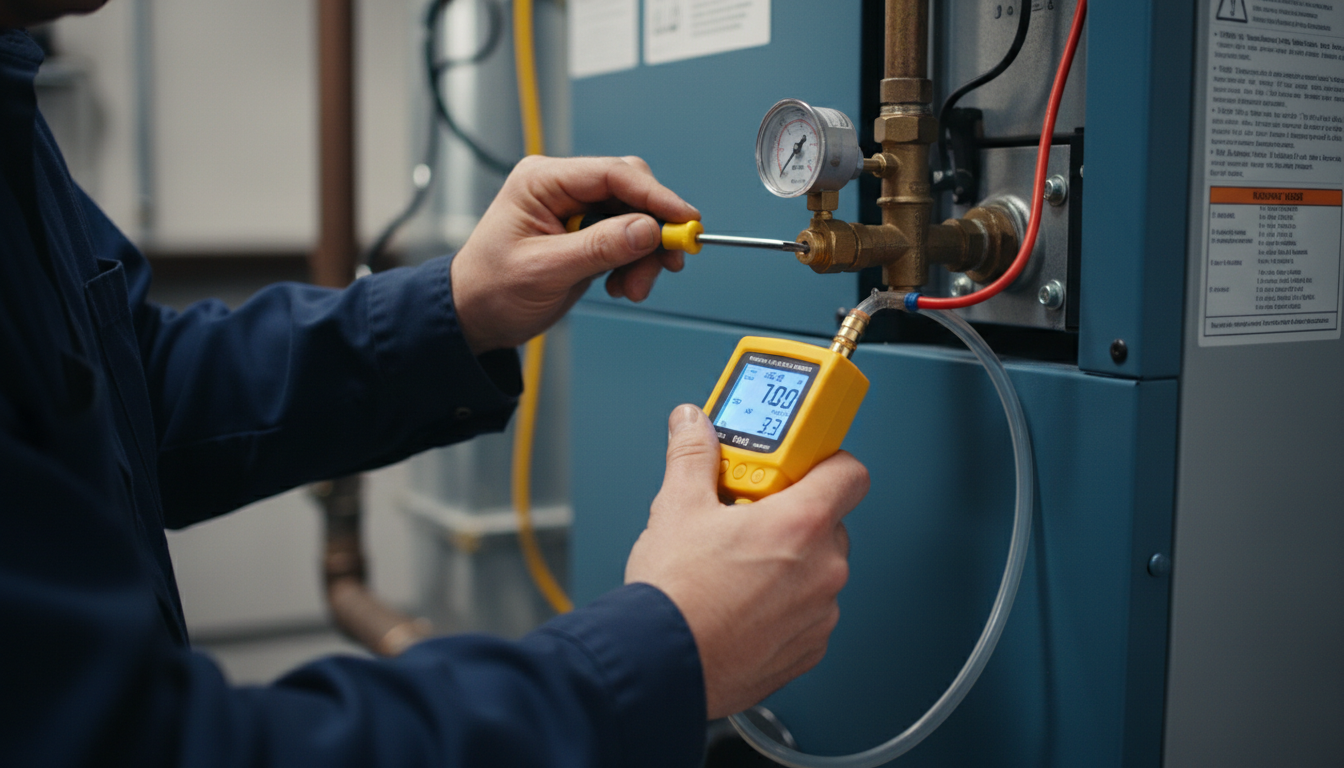
Safety risks aside, the financial implications of DIY gas work are severe. Insurance providers in Norwood and across the Kawarthas may void a homeowner’s policy if a fire, leak, or carbon monoxide incident is traced back to an uncertified installation. Professional TSSA certification and maintenance ensures that every segment of black iron gas pipe Ontario standards requires is properly supported and sealed. A critical part of this process is the final pressure test. For most residential installations, technicians must pressurize the system to 15 PSI and ensure it holds steady for at least 15 minutes. This test is the only way to verify that every threaded joint and flare fitting is truly gastight before the fuel is turned on.
Choosing the right gas piping material involves balancing Ontario safety codes with the specific requirements of your home appliances. Whether you opt for the durability of black iron or the flexibility of copper, ensuring a professional installation is vital for long-term safety. If you want expert help navigating these standards or upgrading your systems, our team is ready to assist. We can ensure your gas lines are perfectly matched with high-efficiency furnaces and other essential equipment. This approach keeps your home safe, efficient, and fully compliant with all local regulations.