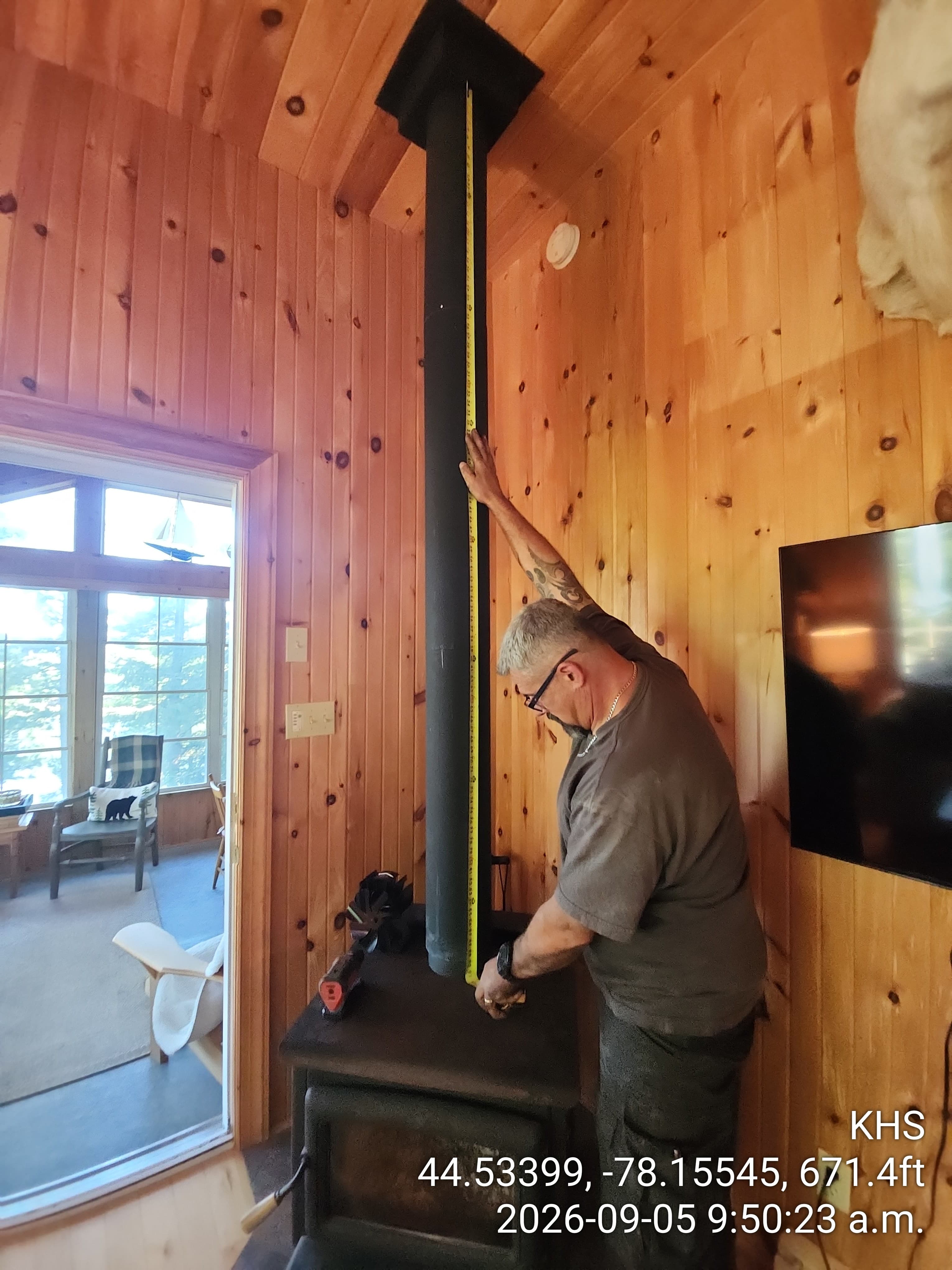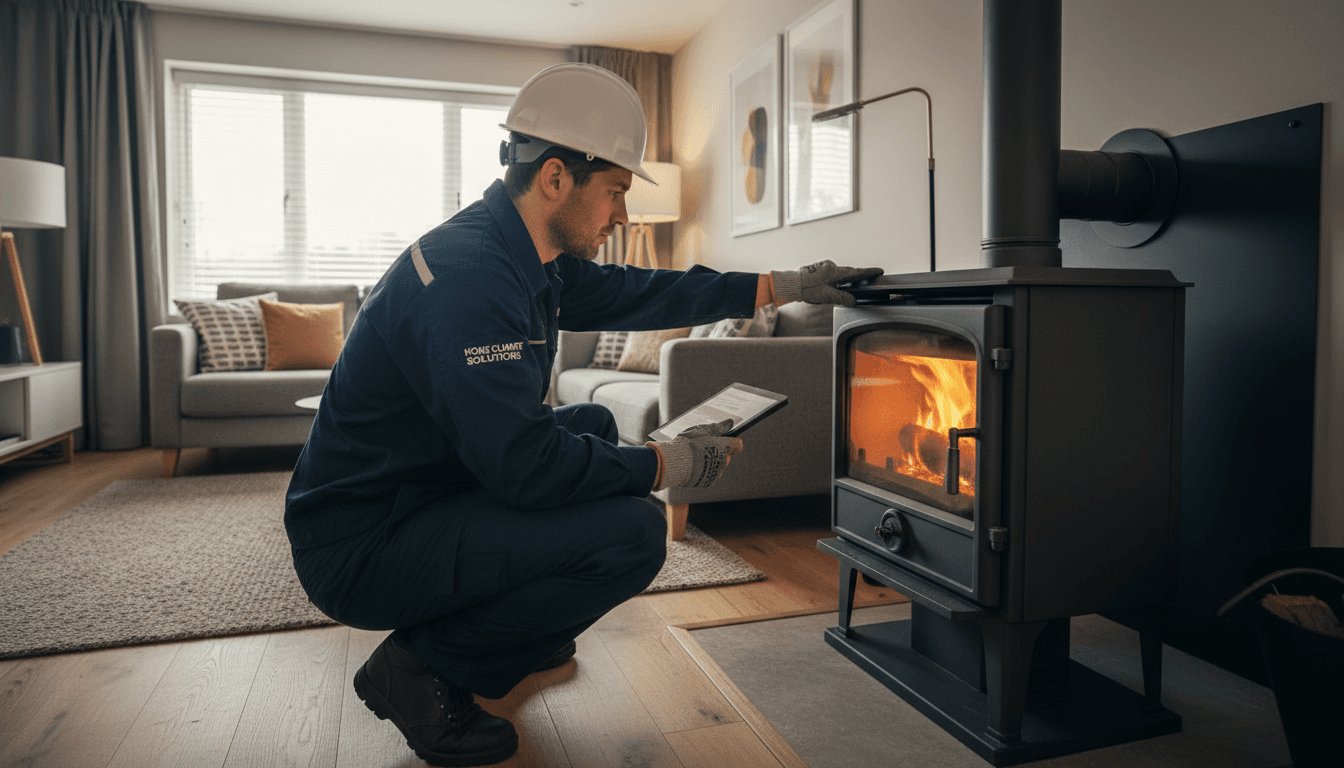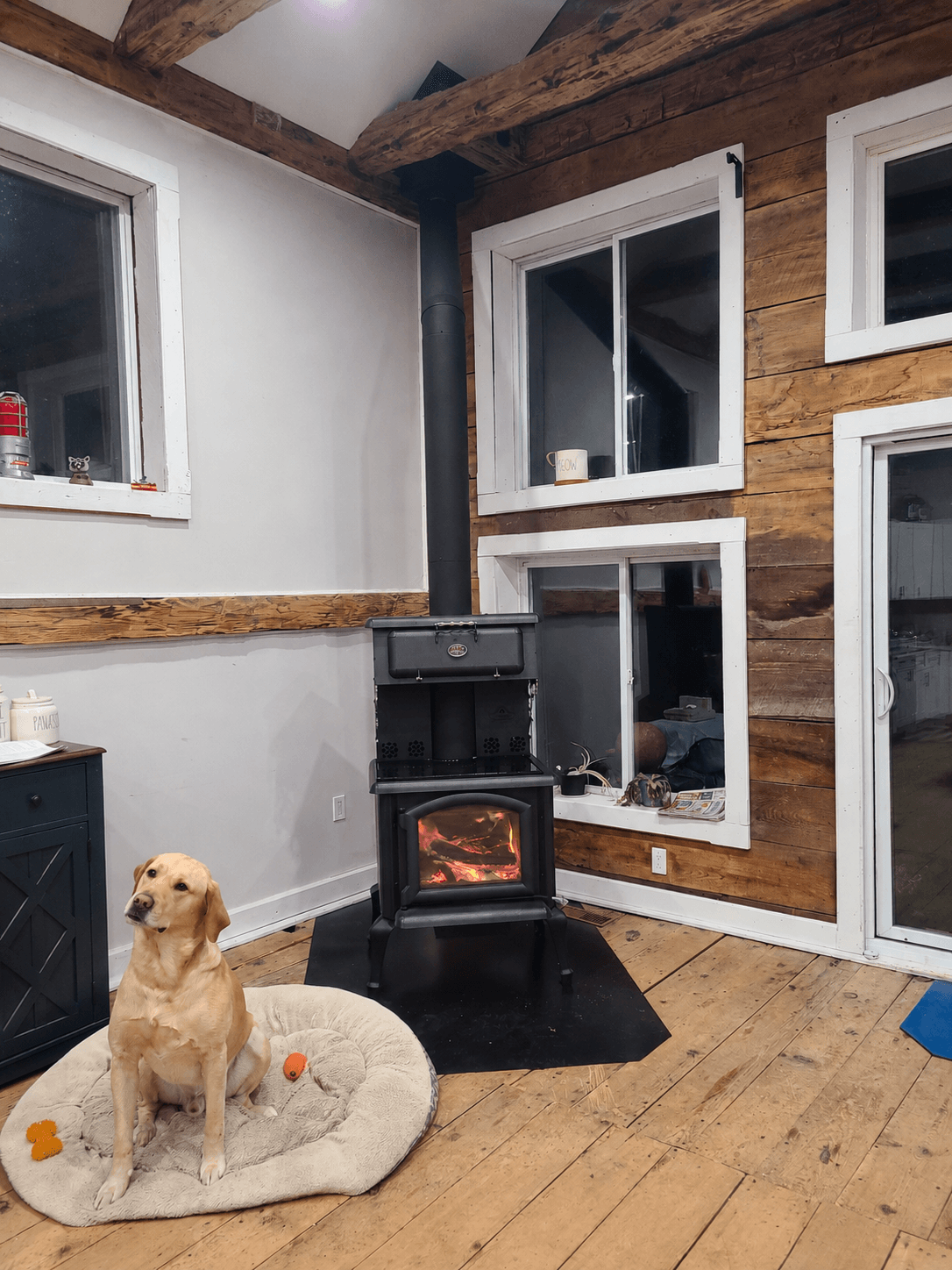
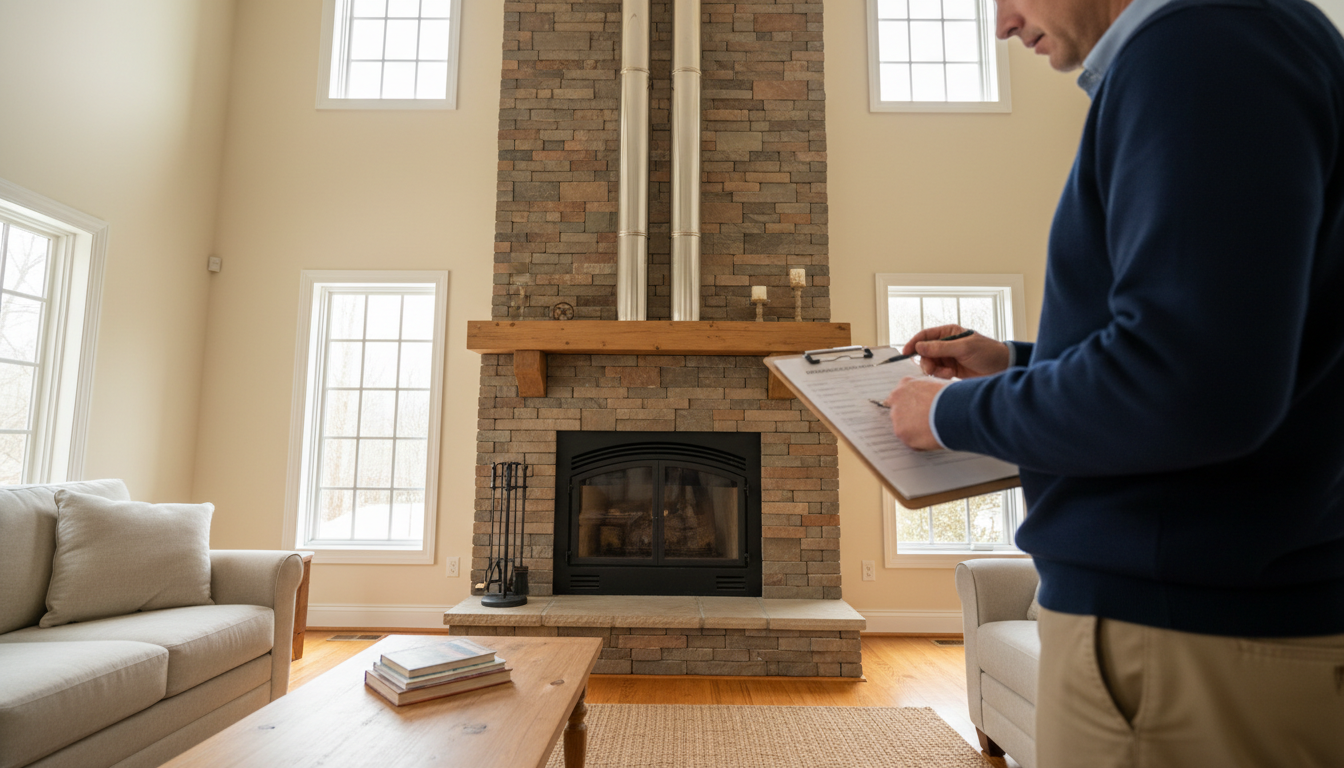
The creosote buildup stages chimney fire risk increases as the substance progresses from a light, sooty powder to a dense, highly flammable glaze. Stage 3 represents the most severe hazard because it acts as concentrated fuel for a chimney fire; therefore, homeowners must address buildup before it reaches this hardened, glassy state.
As a homeowner in the Kawarthas, there is nothing more comforting than a crackling wood fire during a deep freeze. However, beneath that warmth lies a hidden threat that many residents overlook until it is too late. Creosote buildup is not just a messy byproduct of burning wood; it is a progressive fire hazard that transforms over time. Understanding the relationship between wood smoke and your chimney is essential for the safety of your property and your family. In this guide, we will examine the three distinct stages of creosote accumulation, from simple soot to dangerous glazed deposits. We will also explore how our unique local climate impacts your flue health and share professional strategies from the Kawartha Heating Solutions team to help you identify, manage, and eliminate chimney fire risks before they ignite.
Understanding the Relationship Between Wood Smoke and Creosote
Every time you light a fire in your Norwood home, a complex chemical process occurs. When wood burns, it releases smoke, water vapor, and various gases. If the combustion is incomplete, which often happens when the fire lacks enough oxygen or the wood contains excess moisture, these unburned materials rise into the chimney. As they hit the relatively cooler surface of the flue, they condense into a substance known as creosote.
It is vital to distinguish between soot and creosote. Soot is primarily a fine, black carbon powder that can be messy but is relatively easy to clean. Creosote, however, is a thick, oily, and highly flammable residue that adheres to the interior of the chimney. While soot is a nuisance, the true danger lies in the creosote buildup stages chimney fire risk, as this substance acts as a concentrated fuel source directly inside your exhaust system.
For residents in the Kawarthas, our long, punishing winters mean heating systems operate at high frequencies for several months. This consistent usage, combined with fluctuating outdoor temperatures, causes smoke to cool and condense rapidly against flue tiles or liners. Regular certified chimney sweep and maintenance services are essential to prevent this condensation from layering into the more dangerous stages that compromise home safety.
Stage 1: The Sooty Powder Phase
Stage 1 creosote is the baseline form of buildup, appearing as a thin layer of dusty, flaky, or velvety soot. It occurs when your wood stove or fireplace operates with relatively high combustion efficiency. Even under these optimal conditions, the temperature difference between the rising flue gases and the cooler chimney walls causes a small amount of smoke to condense. Because this residue is dry and loose rather than sticky, it is the simplest stage for a professional technician to remove using a standard polypropylene or wire chimney brush.
While this powdery residue is technically flammable, it represents the lowest creosote buildup stages chimney fire risk. It lacks the extreme density and concentrated fuel volume found in more advanced stages. For homeowners in Norwood, scheduling certified chimney sweep and maintenance services while the buildup is still in this manageable, powdery phase is the most cost-effective way to ensure safety. Proactive cleaning at this point prevents the soot from baking into the harder, more volatile crusts that characterize the later stages of accumulation.
Stage 2: The Shiny Black Flake Phase
Stage 2 creosote represents a significant shift from simple soot to a dense, carbonized structure. Visually, this stage is characterized by shiny, hard, black flakes that often resemble burnt marshmallows or pieces of expanded popcorn. Unlike the soft powder of Stage 1, these flakes are firmly attached to the flue liner and possess a brittle, crunchy texture.
This transformation typically occurs when a fireplace or wood stove suffers from restricted airflow or when the homeowner burns unseasoned, damp wood. In Norwood, where many residents rely on local hardwoods, using wood that has not dried for at least a full year often leads to this specific accumulation. The moisture in the wood keeps the fire cooler, preventing the smoke from exiting the chimney quickly and causing it to solidify into these layered flakes.
The creosote buildup stages chimney fire risk escalates to a moderate level at this point. Because these flakes have a high surface area and are composed of concentrated carbon, they can ignite rapidly if a stray spark or high heat reaches them. Removing Stage 2 buildup is significantly more labor intensive than a standard sweep; it requires vigorous brushing with specialized heavy-duty wire brushes or mechanical tools to flake the material away from the masonry or steel liner. Homeowners should schedule certified chimney sweep and maintenance services immediately if they spot these shiny flakes, as they are a clear warning that the system is not burning efficiently.
Stage 3: The Dangerous Glazed Creosote Phase
Stage 3 creosote is the most severe and hazardous condition a flue can reach. It presents as a hard, glassy, obsidian-like coating that appears as if liquid tar were poured down the chimney and left to dry. Unlike the brittle flakes of Stage 2, this glazed creosote is extremely dense and adheres to the flue liner with an almost unbreakable bond. It is not merely a byproduct; it is highly concentrated solid fuel.
The creosote buildup stages chimney fire risk reaches a critical point here because glazed creosote can ignite at significantly lower temperatures than its powdered or flaky counterparts. Once a chimney fire starts in a Stage 3 environment, it burns with intense heat and is notoriously difficult to extinguish. The density of the fuel means the fire can sustain itself for long periods, often causing the flue liner to crack or the surrounding masonry to fail.
Attempting to remove Stage 3 creosote with a standard chimney brush is typically ineffective. The material is so hard that brushes simply glide over the surface without disturbing the glaze. Remediating this level of buildup requires professional certified chimney sweep and maintenance services using specialized methods. Technicians often employ industrial-strength chemical treatments that break down the molecular bond of the tar, or mechanical rotary tools equipped with chains or cables designed to fracture the glaze without damaging the underlying structure.
For homeowners planning new wood fireplace installations, understanding this progression is vital. Stage 3 is usually the result of long-term poor burning habits, such as "slumbering" a fire by cutting off too much oxygen or consistently using wood with high moisture content. If an inspection reveals this glassy residue, the system should not be used until it has been professionally cleared and verified for safety.
Signs You May Have a Chimney Fire in Progress
Identifying a chimney fire as it occurs is critical for the safety of your home. The most commonly reported symptom is a loud, low-pitched whooshing or roaring sound, often compared to a freight train or a low-flying jet passing over the roof. This sound is caused by the intense draft created as the fire consumes massive volumes of oxygen. You might also hear rhythmic thumping, loud cracking, or popping noises as the flue liner expands rapidly under extreme thermal stress.
From the exterior, onlookers may notice dense, billowing smoke or a fountain of sparks and embers shooting from the chimney crown. In some cases, actual flames are visible exiting the flue. However, not all events are this dramatic. Silent chimney fires are a significant concern, particularly when Stage 3 glazed creosote is present. These fires burn slowly but at incredibly high temperatures. Because they lack the explosive draft of a full roaring fire, they can go unnoticed by the homeowner while still causing the creosote buildup stages chimney fire risk to result in immediate structural failure. During these slow burns, temperatures can reach levels hot enough to melt metal liners or shatter masonry. Regular certified chimney sweep and maintenance services are the only way to detect the telltale signs of a past silent fire, such as warped metal or scorched flue tiles, before you light the next fire.
How Kawartha Heating Solutions Inspects for Fire Risks

When Kawartha Heating Solutions arrives at a home in the Norwood area, the priority is diagnosis before action. A standard visit for certified chimney sweep and maintenance services begins with a comprehensive visual assessment of the venting system. We examine the flue liner for cracks, the masonry for mortar deterioration, and the specific density of the residue. A professional sweep is not merely about soot removal; it is a structural integrity check that identifies hidden vulnerabilities.
This protocol aligns with the rigorous standards established by Wood Energy Technology Transfer (WETT) Inc. In Ontario, insurance providers frequently mandate WETT inspections to verify that wood burning systems meet current safety codes and are fit for operation. If our technicians identify Stage 3 glazed creosote during a routine sweep, we look beyond the surface buildup. This advanced level of the creosote buildup stages chimney fire risk often masks underlying structural harm from previous overheating. In these cases, we may recommend a formal WETT inspection to investigate for flue tile breaches or warped metal liners that could compromise the home. Confirming that the chimney hasn't already suffered heat damage is a vital step in maintaining a safe, long-lasting wood burning installation.
Why Local Climate and Wood Quality Matter
Residents in Norwood and the Kawarthas live in a region rich in premium hardwoods like Sugar Maple and Red Oak. These species provide excellent heat value, but their performance depends entirely on proper seasoning. Freshly cut or green wood contains up to 50 percent moisture. When this wet wood is burned, the fire's energy is wasted boiling off water rather than producing heat. This results in significantly cooler flue temperatures, causing smoke to condense rapidly into the chimney liner. This process is the primary driver of the creosote buildup stages chimney fire risk, accelerating the transition from manageable Stage 1 soot to dangerous Stage 3 glaze.
The local climate also dictates how residue accumulates. During milder Ontario autumn nights, homeowners often dampen down their stoves to prevent the house from overheating. This creates a smoldering, oxygen-starved fire. Ironically, these low-temperature fires produce more creosote than the intense, hot fires required during a January cold snap. A hot fire keeps flue gases above the condensation point; a smoldering fire allows tar and gases to coat the liner. Ensuring your fuel is seasoned for at least twelve months is as vital as scheduling certified chimney sweep and maintenance services to clear the residue left behind by these transitional shoulder seasons.
Prevention Strategies to Reduce Chimney Fire Risk

Effective prevention begins with controlling the fuel. Invest in a digital moisture meter and only burn wood with a moisture content below 20 percent. Wood that is too wet forces the fire to consume energy evaporating water, which drastically lowers flue temperatures and accelerates condensation. Similarly, avoid the common mistake of starving the fire for oxygen to extend burn times. While this may keep the house warm for longer, it leads to incomplete combustion and heavy smoke condensation inside the flue.
Ensure your venting system complies with the 3 to 10 rule; the chimney must be at least three feet higher than the point where it exits the roof and two feet higher than any part of the building within a ten foot radius. This geometry is essential for creating the draft needed to pull smoke out before it can settle. By maintaining hot, bright fires and scheduling annual certified chimney sweep and maintenance services, you can catch Stage 1 soot before it evolves into a high-density creosote buildup stages chimney fire risk. Consistent maintenance is the only reliable way to prevent Stage 3 glaze from ever forming.