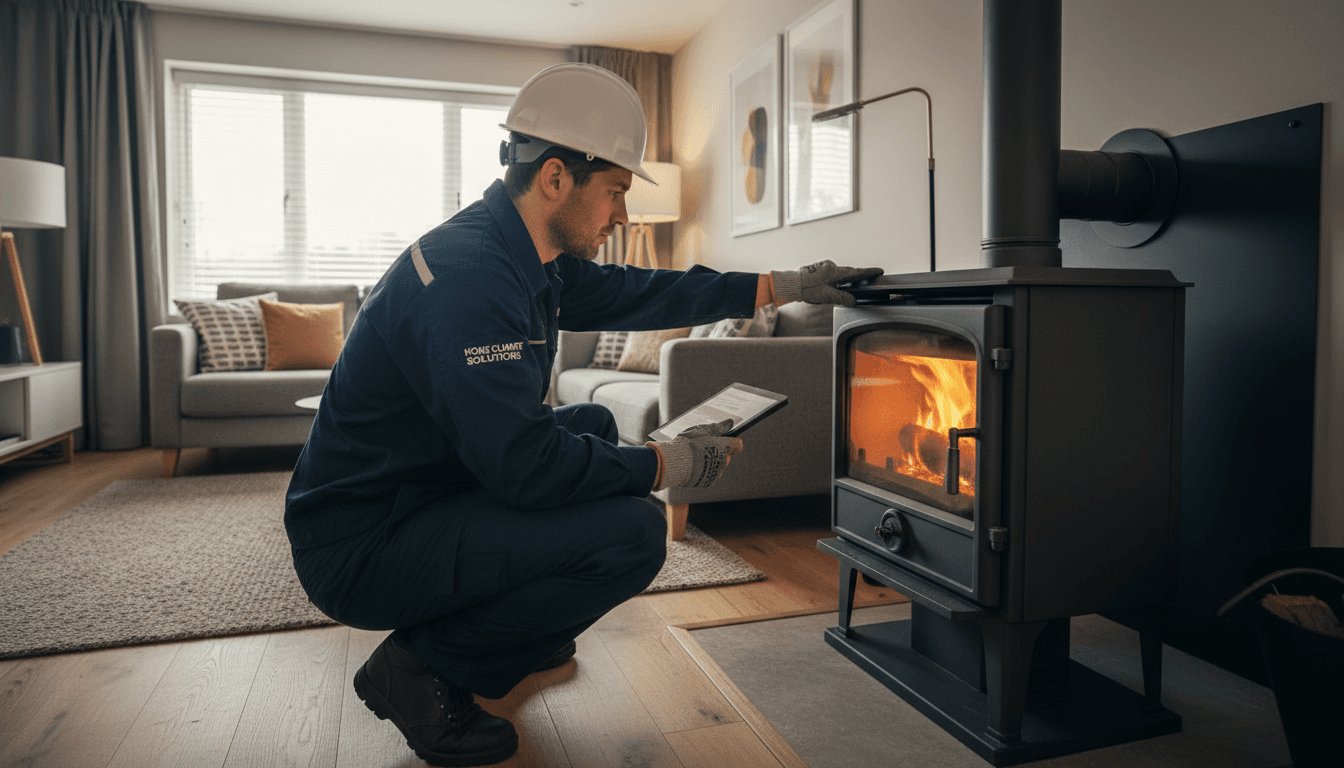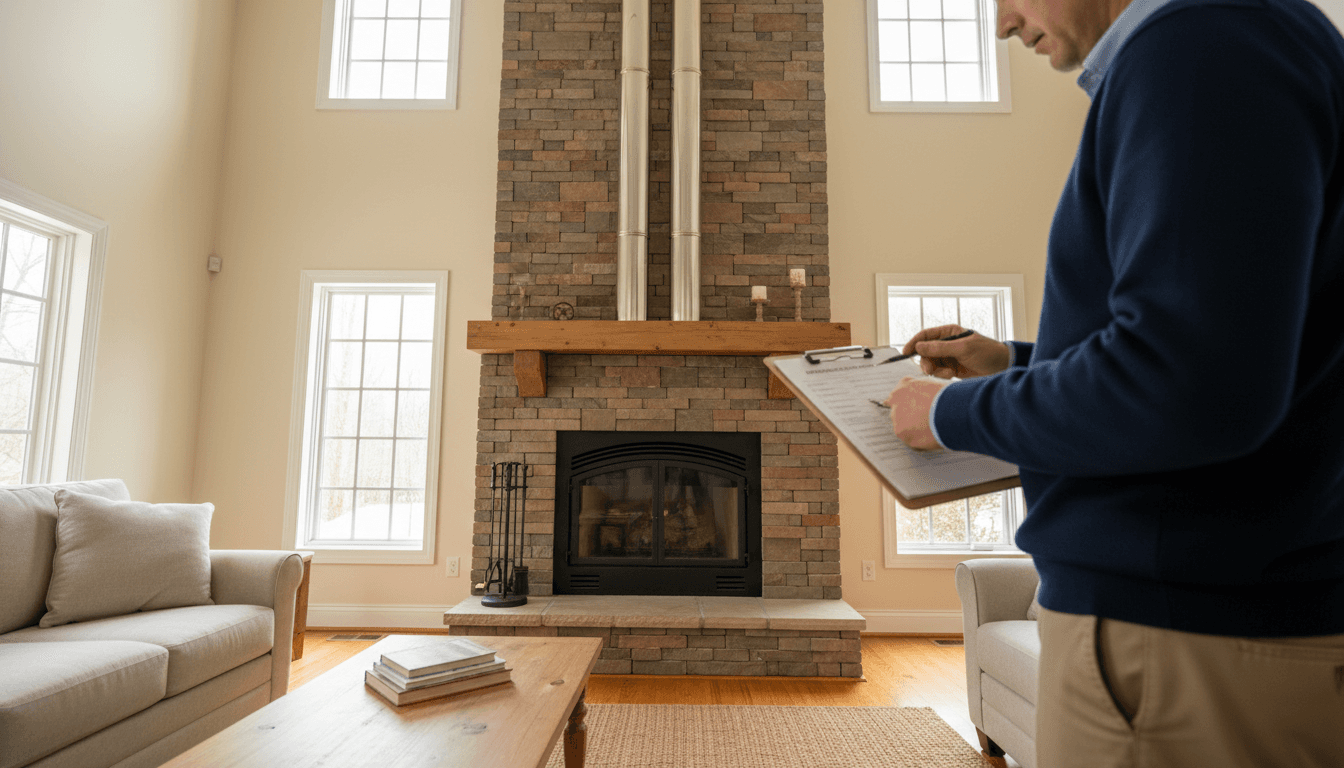
A WETT inspection evaluates the safety and installation of wood-burning appliances, including fireplaces, stoves, chimneys, and flue pipes. To determine what does a WETT inspection check, certified professionals examine clearances to combustible materials, structural integrity, and compliance with local building codes. These assessments are often required for home insurance to ensure the heating system is safe to operate.
The anticipation of buying a new home or renewing an insurance policy often comes with a hidden layer of stress when a wood burning appliance is involved. Many homeowners understand that a WETT inspection is required; yet, few realize the technical rigor involved in verifying the structural integrity of their hearth. At Kawartha Heating Solutions, we know that a wood stove is more than an aesthetic feature; it is a complex system that must meet strict provincial codes to function without risk. This guide explores exactly what a certified inspector evaluates during a site visit. We will break down the essential checks for appliance labels and firebox integrity, the critical assessment of venting systems, and the precise measurements required for clearances to combustibles. By understanding these requirements, you can ensure your system is compliant, efficient, and, most importantly, safe for your family.
The Core Components of a WETT Inspection
Wood Energy Technology Transfer (WETT) is the Canadian non-profit organization that provides training and certification for professionals who inspect wood-burning systems. When homeowners ask what does a WETT inspection check, they are often looking for more than a simple visual overview. While a standard home inspection covers a broad range of household systems, certified WETT inspections are highly specialized assessments focused on fire safety and code compliance.
Our technicians examine three core components to ensure the system is safe to operate. First, we assess the appliance itself, such as wood stoves or wood fireplace installations. Second, we evaluate the venting system, including the flue pipe and chimney. Third, we measure the clearances to combustible materials.
The guiding authority for these inspections is the CSA B365 standard. This national code dictates exactly how solid-fuel-burning appliances must be installed to mitigate fire risk. If you are purchasing a home in the Kawarthas or renewing your insurance, you can contact our Norwood team to ensure your system meets these rigorous safety requirements before the first fire of the season.
The Appliance Check: Labels, Seals, and Firebox Integrity
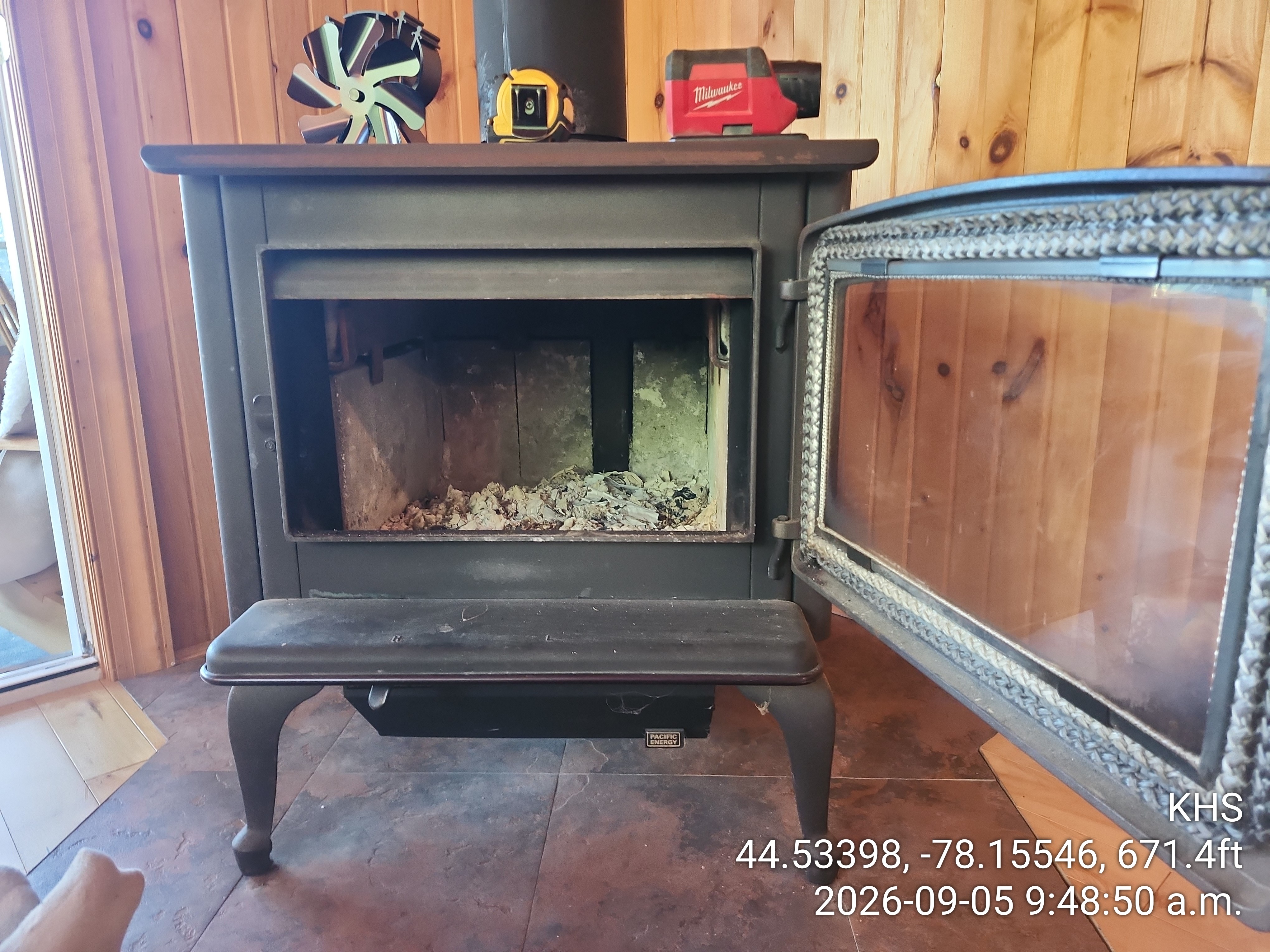
When our technicians begin the physical assessment of the unit, the first item we locate is the manufacturer’s certification label. This metal plate, typically found on the back or side of the stove, confirms that the unit has been tested to CSA or ULC standards. This label is vital because it dictates the specific clearance requirements for that exact model. If the label is missing, illegible, or painted over, the unit is categorized as an unlisted appliance. Under Ontario building codes, unlisted stoves require significantly larger distances from walls, often up to 1,200 mm (48 inches), which many residential living rooms or cottages in the Kawarthas cannot safely accommodate.
Moving to the interior of the unit, we examine the firebox for structural integrity. In both pellet stoves and wood fireplace installations, we look for cracked firebricks or breaches in the steel or cast iron. While small hairline cracks in firebricks are often acceptable, missing chunks or visible gaps in the metal seams can allow heat to escape to the outer jacket, creating a serious fire hazard. We also inspect the door gaskets. These fiberglass ropes must create an airtight seal to prevent oxygen from entering the firebox uncontrollably, which leads to inefficient burns and potential runaway fires.
The glass must be inspected for cracks, deep scratches, or heat damage. We specifically look for evidence of over firing, which occurs when a stove is operated at temperatures exceeding its design limits. Tell-tale signs include warped interior baffles, thinning metal, or a distinct whitening or scaling of the steel. Because these issues can compromise the safety of your home, certified WETT inspections focus heavily on these internal components that a standard visual check might overlook. If your unit shows signs of metal fatigue or gasket failure, you should contact our Norwood team to discuss necessary repairs before your next burn.
Venting and Chimney Systems: Ensuring Proper Exhaust
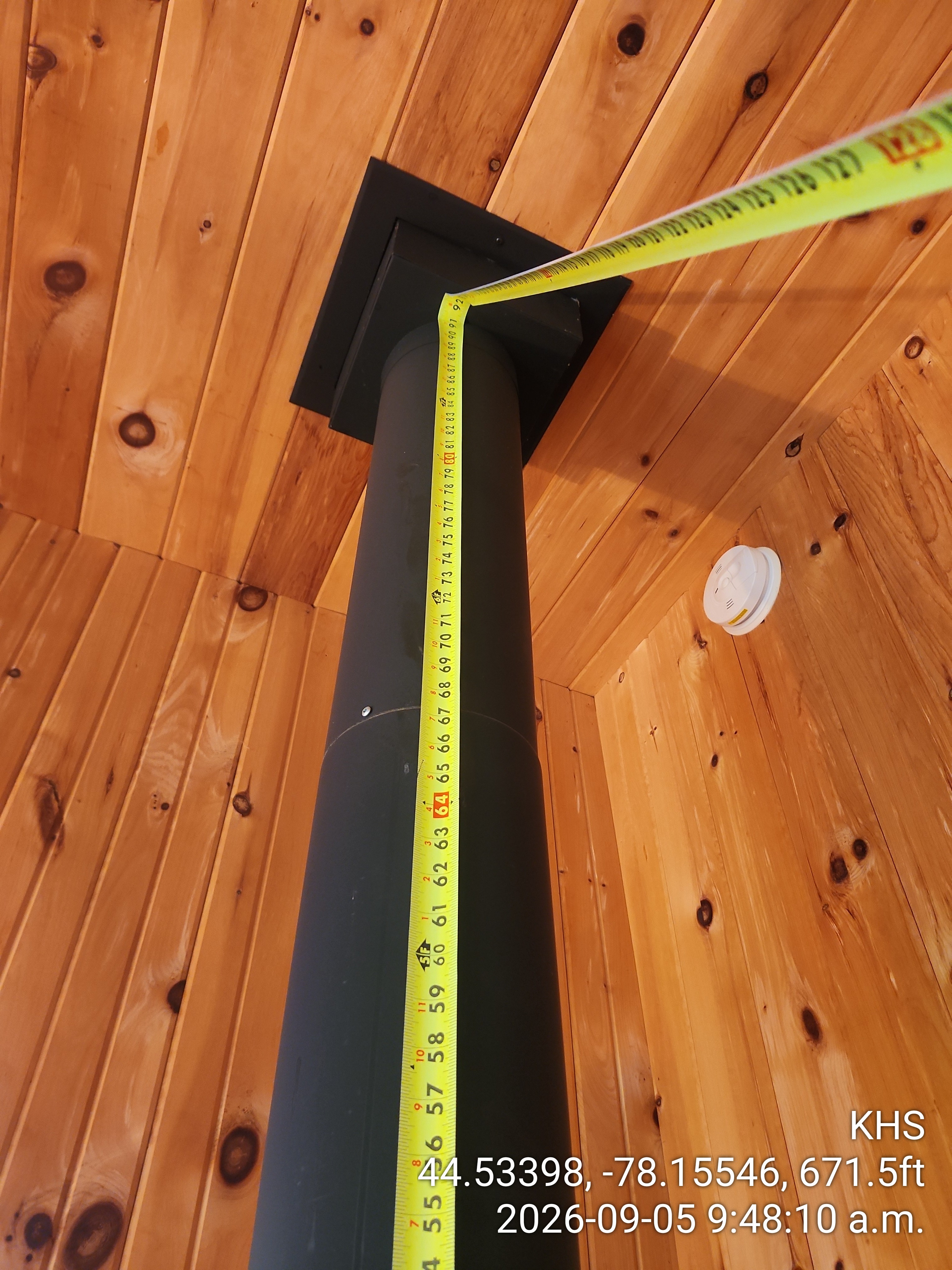
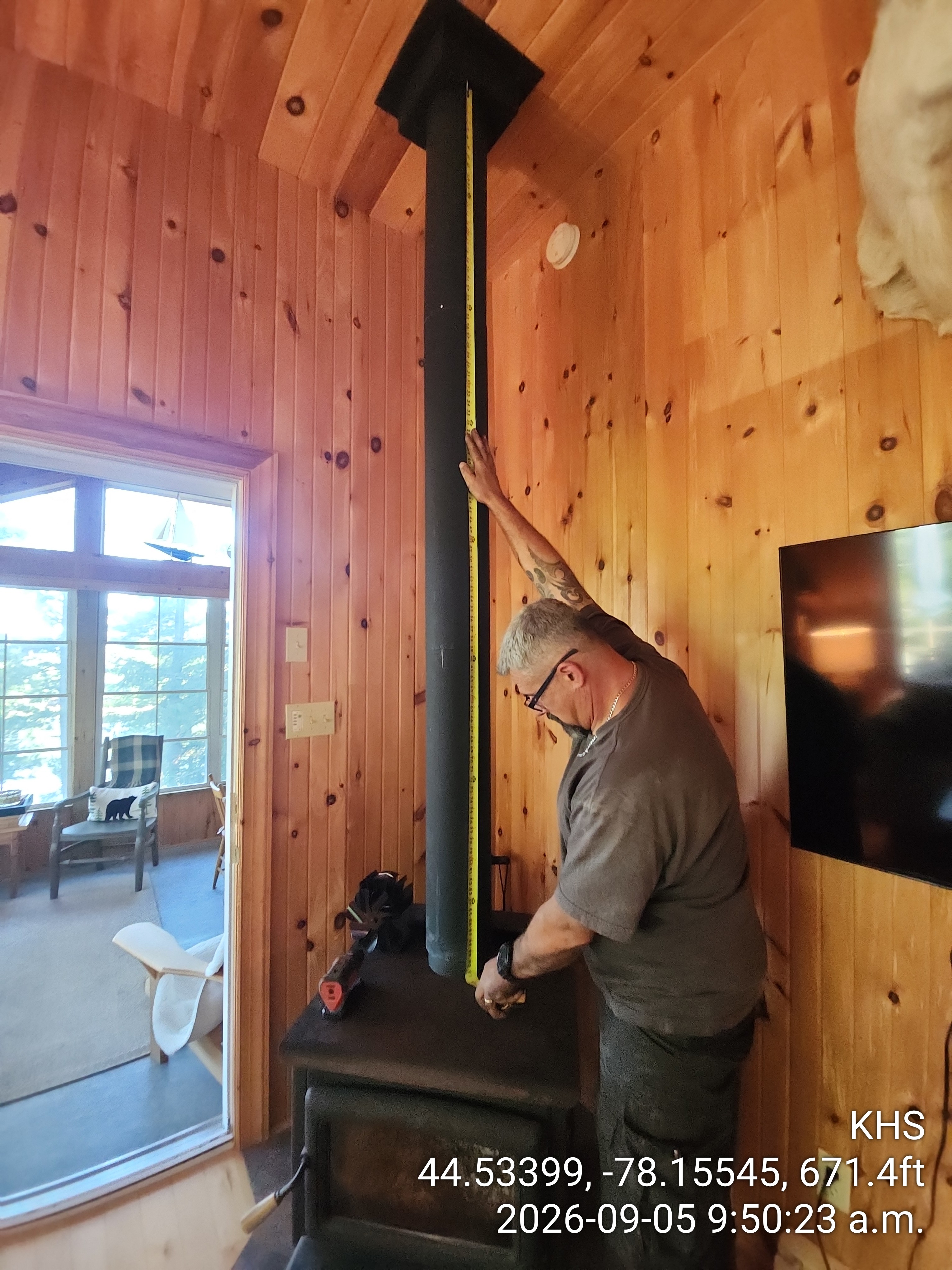
After confirming the appliance integrity, the focus shifts to how the system handles combustion byproducts. The venting system acts as the engine of the fireplace; if it fails, toxic gases or extreme heat can enter the home. When assessing the flue pipe, which connects the unit to the chimney, we verify that sections are joined with at least three sheet metal screws per joint. This prevents separation during the intense heat of a chimney fire. We also look for proper structural support to ensure the weight of the pipe does not rest entirely on the appliance collar.
The chimney itself undergoes a rigorous review. For masonry chimneys, we inspect the clay flue liner for spalling or vertical cracks that can allow heat to transfer to the house framing. In wood fireplace installations using stainless steel liners, we check for buckling or signs of corrosion. A common question regarding certified WETT inspections is what does a WETT inspection check in terms of exterior maintenance. A critical component is the chimney cap; without a properly installed cap or spark arrestor, moisture enters the system, accelerating the deterioration of the flue liner.
In the Kawarthas, our team frequently identifies issues related to the local environment. Because many properties are located near dense woodlots, we look for evidence of animal nesting, such as twigs or debris from raccoons and birds, which can cause dangerous blockages. We also check for excessive creosote buildup. Glazed creosote is a high priority as it is highly flammable and often indicates that the chimney temperature or fuel quality is subpar. If you notice smoke backing into your room or see debris falling down the flue, you should contact our Norwood team immediately to assess the system before your next burn.
Clearance to Combustibles: The Most Common Failure Point
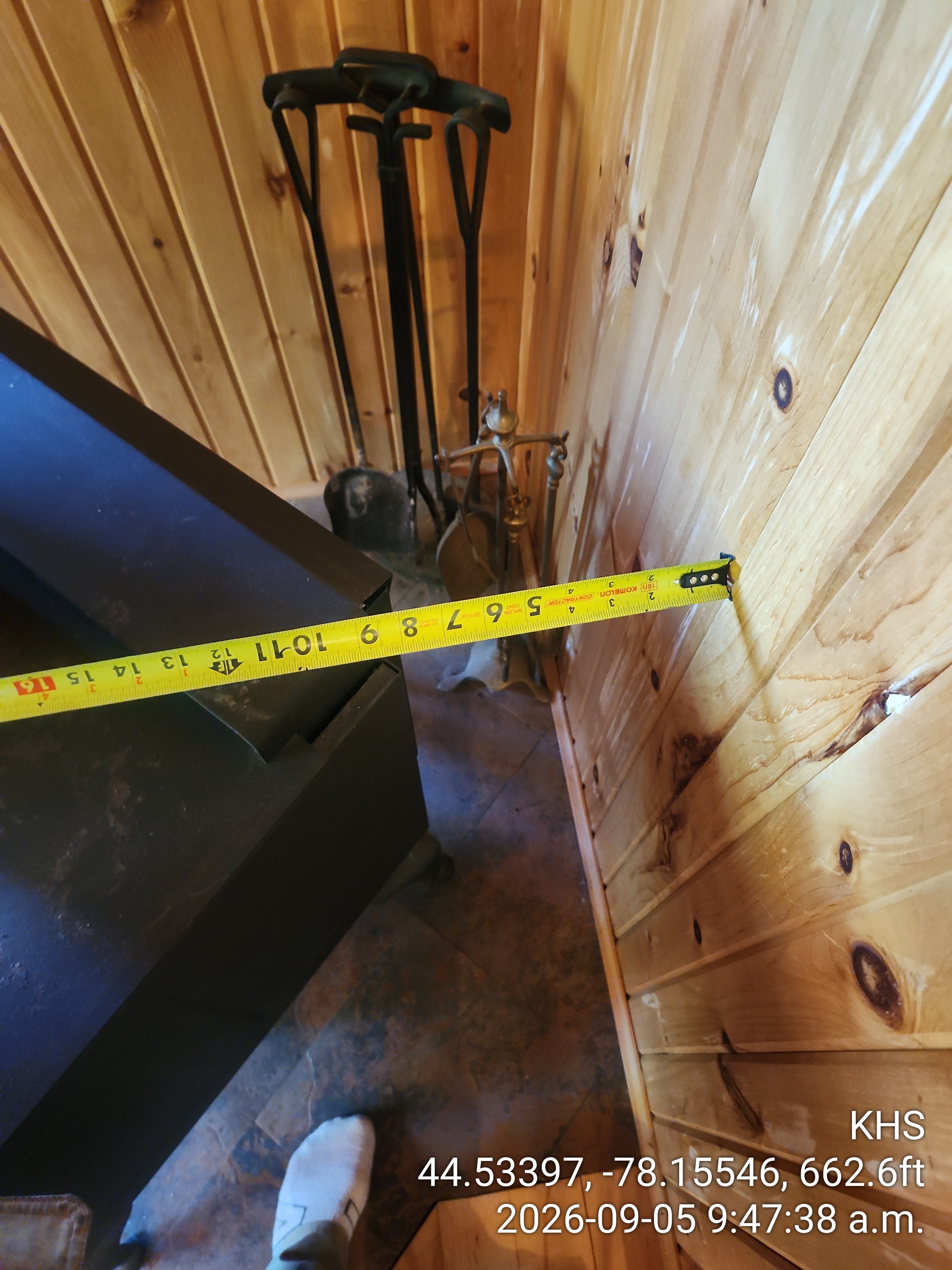
While the internal integrity of the flue is vital, the space surrounding the unit is where most systems fail to meet CSA B365 standards. When assessing what does a WETT inspection check, the distance to combustibles is perhaps the most critical measurement. In many older cottages around Stoney Lake or historic homes in Norwood, wood stoves were often installed in tight alcoves or close to original lath and plaster walls. However, even modern drywall is considered a combustible material because of the paper facing and the wooden studs behind it.
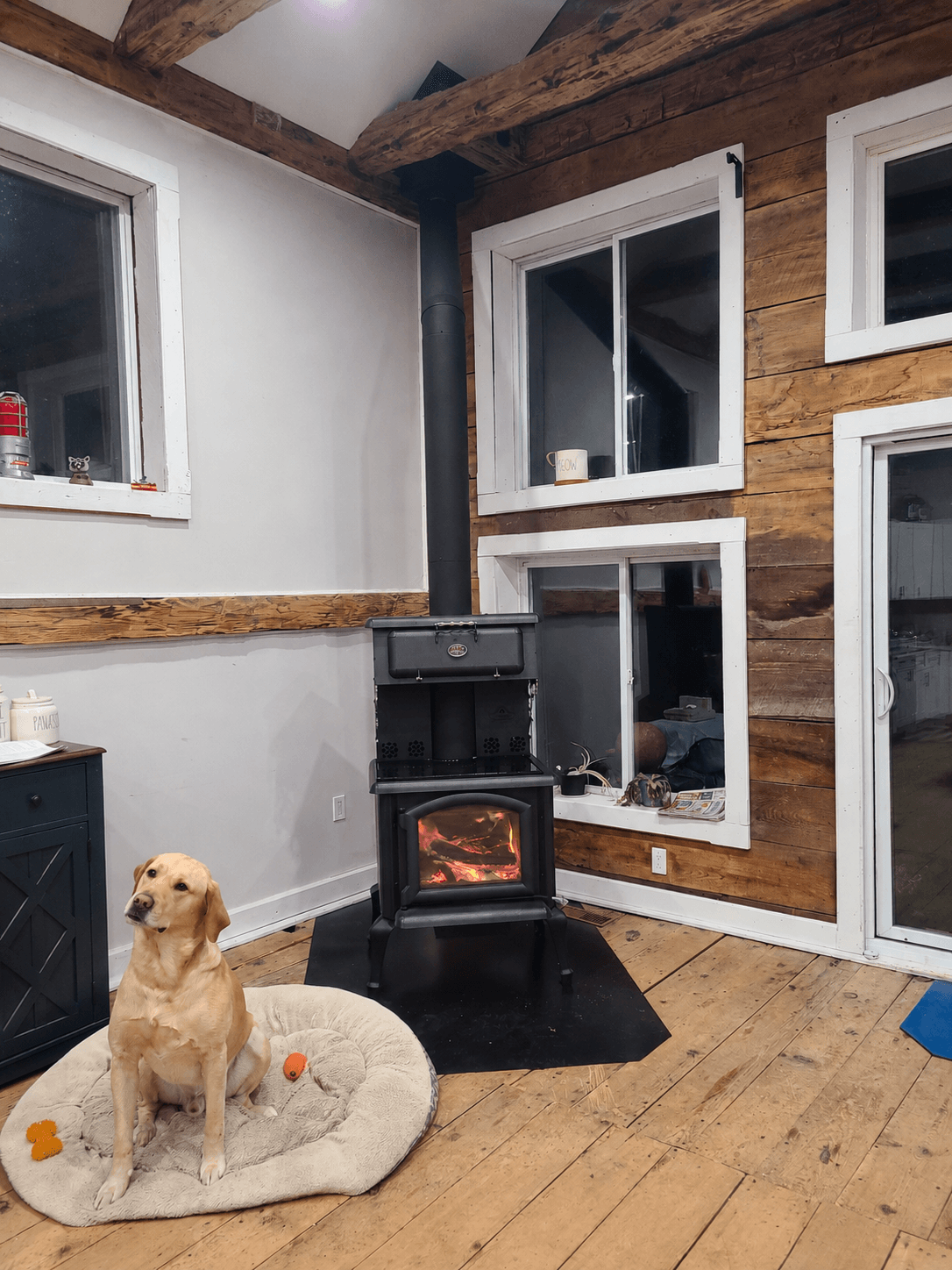
Floor protection is a frequent point of contention. The standard requirement for floor pads is generally an 18 inch (450 mm) extension beyond the loading door. This prevents stray embers from igniting hardwood or carpet during refueling. If your current hearth is undersized, the system will not receive a passing grade during certified WETT inspections.
Wall clearances are equally strict. For unlisted stoves, the requirement can be as high as 48 inches. To safely reduce these distances, homeowners can install permanent heat shields. These must be constructed of non-combustible materials like sheet metal or masonry, mounted with a one inch air gap from the wall to allow for convective cooling. Without this air gap, the shield simply transfers heat to the wall behind it. If you are concerned about your mantel height or wall proximity in wood fireplace installations, you should contact our Norwood team to verify your measurements before your insurance renewal.
What is Needed to Pass a WETT Inspection?
To achieve a passing grade, your wood-burning system must adhere strictly to the CSA B365 standard and the manufacturer's installation instructions. When homeowners ask what does a WETT inspection check for a pass, the focus is on documented safety and verifiable clearances.
The primary requirements for a successful inspection include: - A visible and legible CSA or ULC certification label that confirms the unit's testing history. - Adequate floor protection, typically extending 18 inches beyond the loading door to catch embers. - Flue pipes and chimneys that are clean, properly supported, and free of structural deterioration. - Verified distances from all combustible surfaces, including walls, mantels, and ceilings.
Homeowners can improve their chances of a smooth inspection by performing basic housekeeping before the technician arrives. It is essential to clean all ash out of the firebox; this provides a clear view of the floor and walls of the appliance, allowing for a proper check for cracks or thin spots in the metal. For those with older wood fireplace installations, addressing these details beforehand is the best way to ensure certified WETT inspections result in a compliant report. If you have questions about your specific model, you should contact our Norwood team for guidance.
WETT Inspection Cost and Timeline in Ontario
A standard site visit generally takes between 60 and 90 minutes to complete. This timeframe fluctuates depending on the complexity of the installation and the physical accessibility of the exterior venting. For example, a steep roof pitch or a multi-story chimney stack requires more time for the inspector to safely evaluate the cap and flashing. If the property features multiple units, such as wood fireplace installations in both the main living area and a basement, the duration will increase to ensure each system is thoroughly vetted.
In Ontario, homeowners should expect a price range between $200 and $400 for certified WETT inspections. This fee is a practical investment in both home safety and insurance eligibility. Most insurers in the Kawarthas will not provide coverage for a wood-burning home without a passing report from a certified technician. Considering the potential for chimney fires or carbon monoxide leaks, the cost of the inspection is minimal compared to the peace of mind it provides.
The final report is typically delivered via email within 24 to 48 hours of the site visit. This document provides a permanent record of what does a WETT inspection check, detailing the condition of the appliance, flue, and clearances. If the report identifies deficiencies, you should contact our Norwood team to schedule the necessary maintenance or chimney sweep services required to achieve a passing grade.