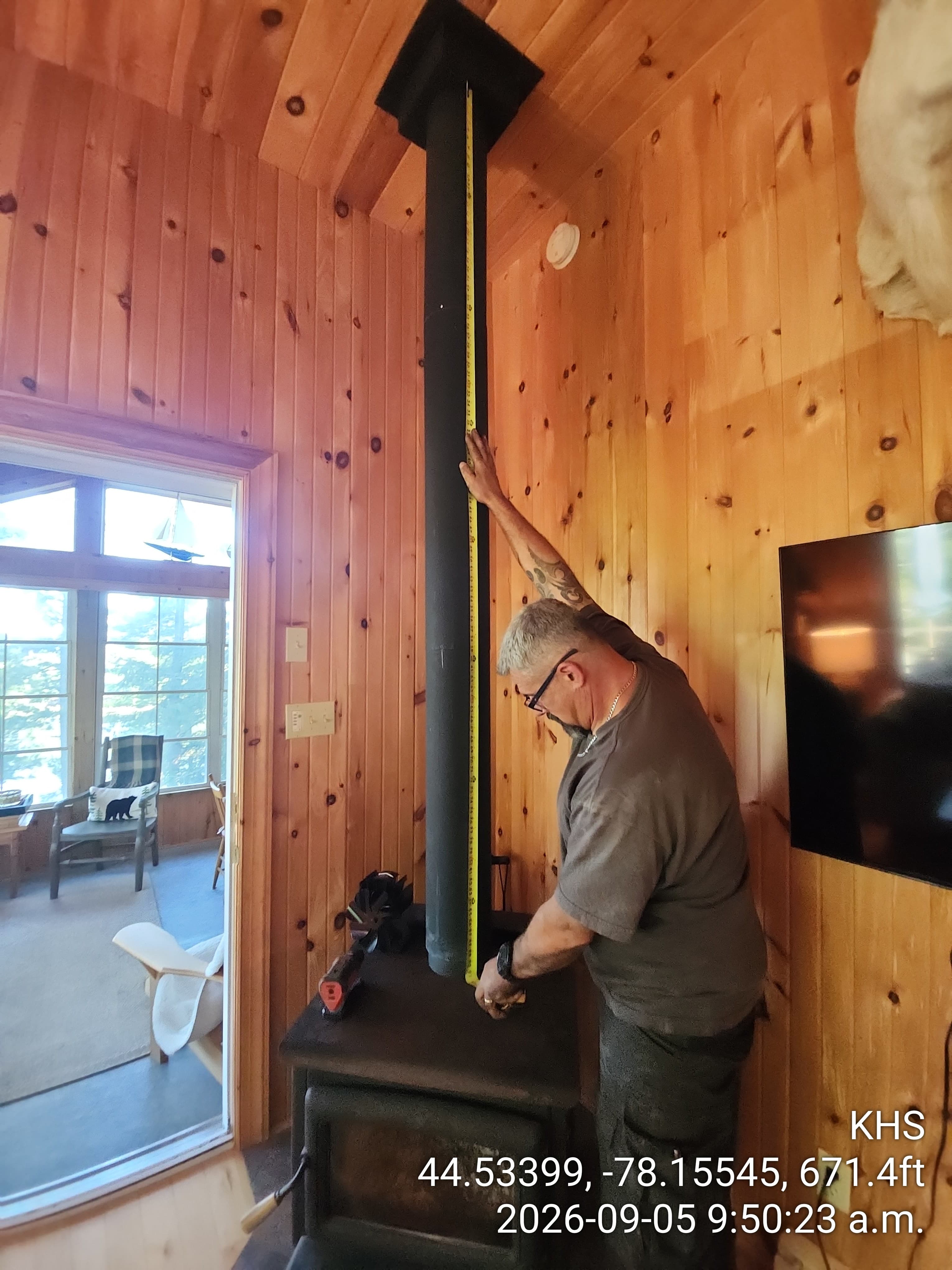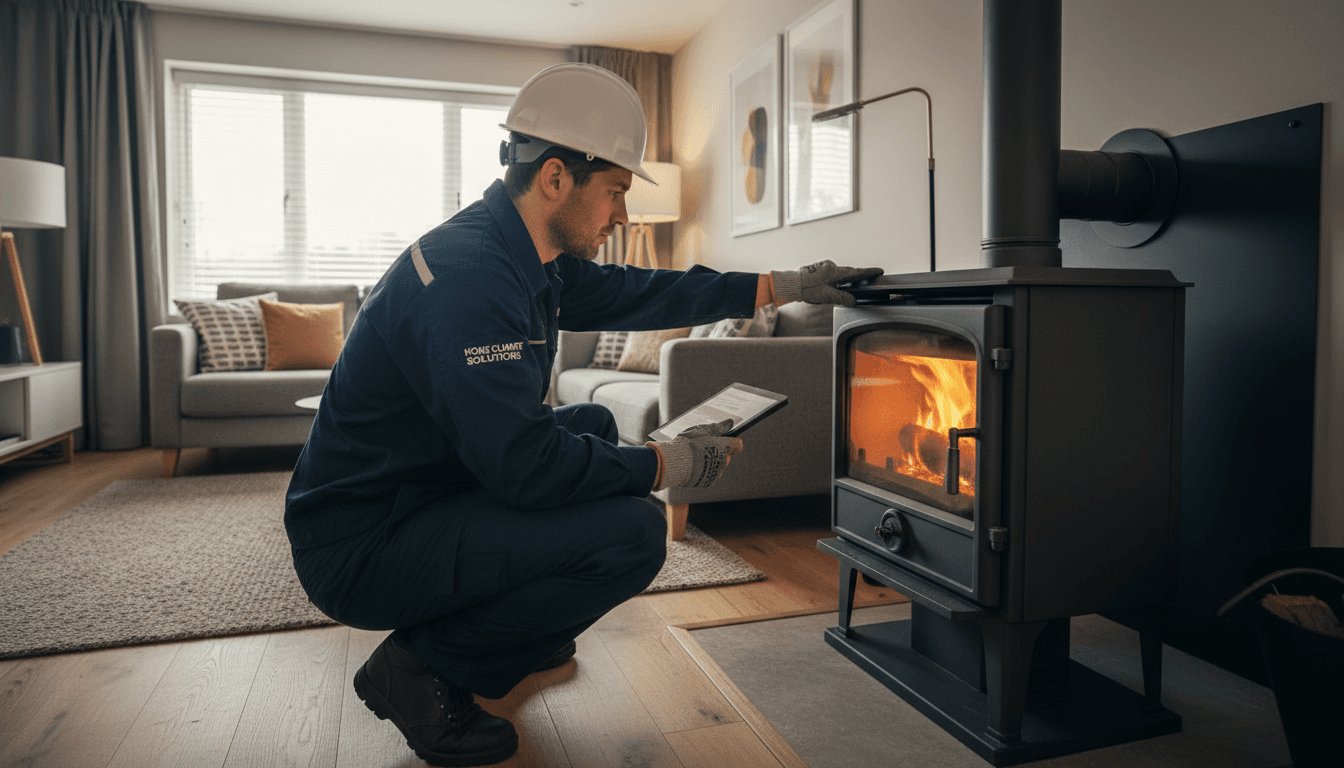
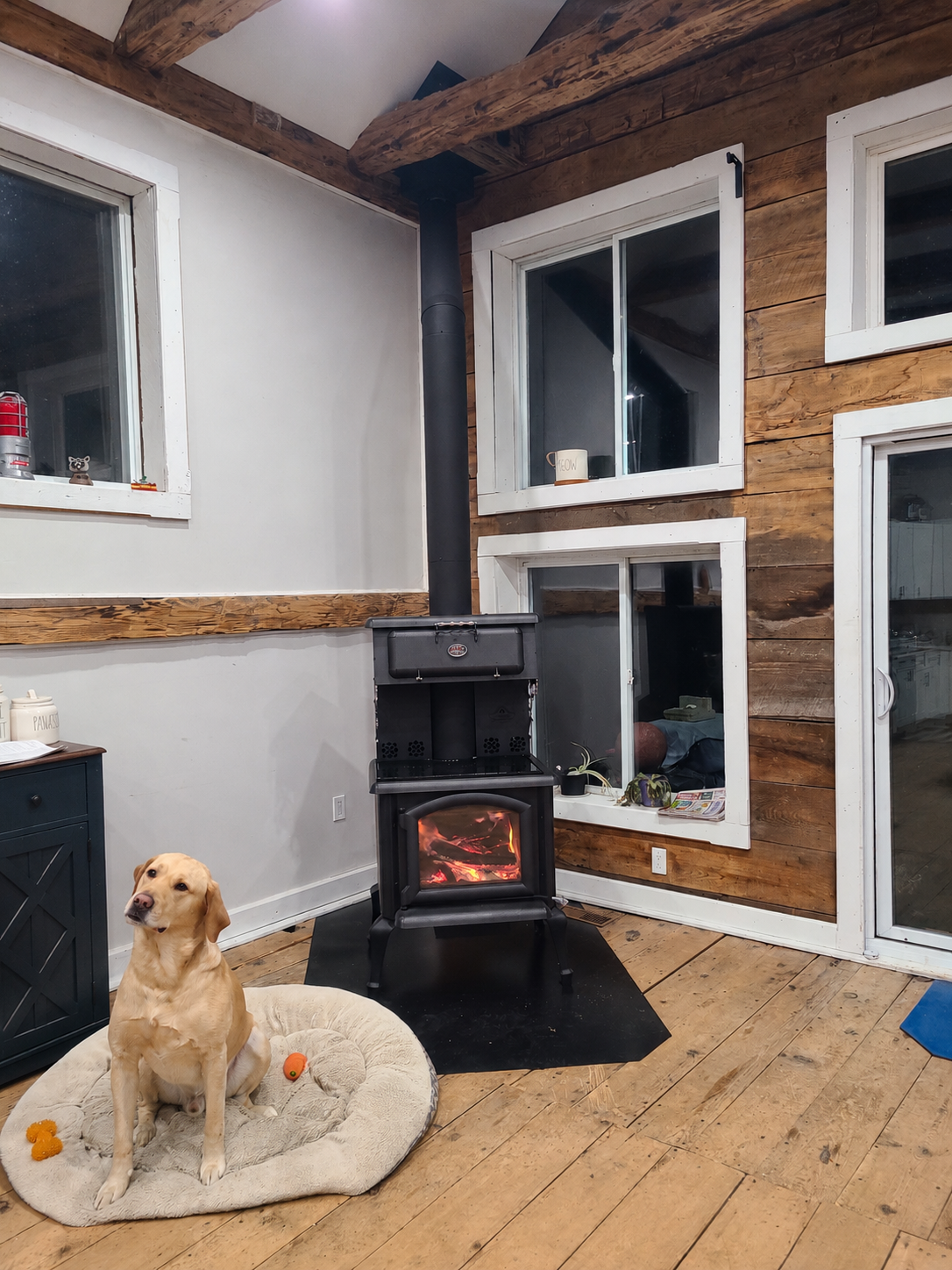
Homeowners should schedule a chimney sweep at least once per year to comply with the Ontario Fire Code and maintain home safety. This chimney sweep frequency Ontario is a mandatory standard for wood-burning systems, though high-use fireplaces may require cleaning twice annually to prevent hazardous creosote buildup.
As an Ontario homeowner, you likely appreciate the dependable warmth of a wood stove during a long winter, yet the uncertainty of chimney safety can often linger in the back of your mind. Failing to maintain your venting system does more than decrease heating efficiency; it risks non-compliance with provincial fire codes and creates a genuine hazard for your family. This guide provides professional clarity on chimney sweep frequency by examining the rigorous standards of the Ontario Fire Code and WETT inspection requirements. You will learn about the critical two millimeter rule, how your specific fuel type influences cleaning intervals, and why a professional sweep is the only way to ensure your home remains protected. Understanding these essential maintenance cycles is the first step toward a safe and worry-free burning season.
The Short Answer: How Often Should You Sweep Your Chimney in Ontario?
Most homeowners in the Kawarthas should schedule a professional chimney sweep at least once per year. While this is the general industry standard, the legal requirements in Ontario are more specific. The Ontario Fire Code mandates that wood-burning systems must be inspected at least annually to ensure they are maintained in a safe operating condition. It is important to distinguish between a chimney sweep and an inspection, although these tasks are typically performed during the same service appointment.
A chimney sweep is the mechanical process of removing soot and creosote from the flue. In contrast, certified WETT inspections focus on the safety, clearances, and structural integrity of the entire system to satisfy insurance requirements. For many residents who utilize wood fireplace maintenance services for supplemental heating, one visit annually covers both needs.
However, chimney sweep frequency in Ontario is ultimately dictated by usage. If you live in a rural property near Norwood and rely on a wood stove as your primary heat source, an annual visit is often insufficient. High-volume burning, especially with local hardwoods, can lead to rapid creosote accumulation. In these instances, a mid-season sweep is highly recommended to ensure the flue remains clear and safe. By engaging expert fireplace services in Norwood early in the season, you ensure your installation remains compliant with the Ontario Fire Code while maximizing its heating efficiency.
Understanding the Ontario Fire Code and WETT Inspection Standards
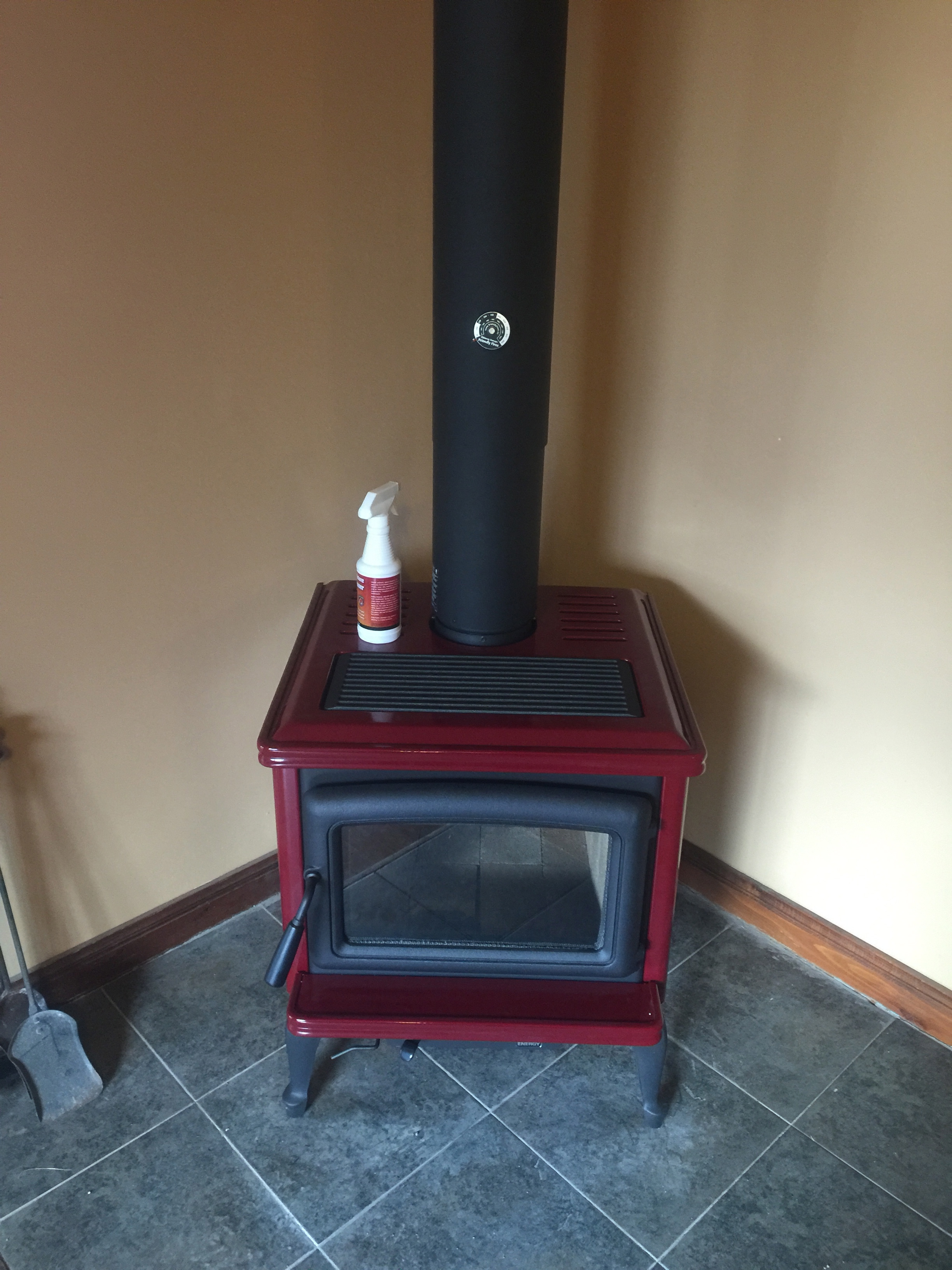
Compliance with the Ontario Fire Code is a matter of legal responsibility for homeowners. The code mandates that every wood burning system must be inspected at least once a year by a person who is competent in the work. While a homeowner might feel capable of looking up a flue, provincial standards often intersect with municipal requirements and, most critically, insurance policies. In Norwood and throughout Peterborough County, insurance providers typically insist on certified WETT inspections before they will provide or renew coverage for a property with a wood stove or fireplace.
The distinction between a standard sweep and a WETT inspection is significant. A sweep is a maintenance task designed to remove creosote and soot to improve airflow and reduce fire risk. In contrast, a WETT inspection is a comprehensive safety audit performed by a technician certified by Wood Energy Technology Transfer Inc. This professional verifies that the entire installation, including the chimney, hearth, and clearances to combustible walls, meets current building code requirements. Insurance companies require this WETT status because they need documented proof that the appliance is not a high risk liability. A standard sweep receipt is rarely sufficient to satisfy an insurance underwriter.
In our local region, particularly within the older farmhouses common to the Kawarthas, legacy chimney systems present unique challenges. Many of these older homes feature unlined masonry chimneys or installations that predated modern safety standards. Over time, mortar joints can degrade and clearance gaps can settle, creating hidden fire hazards. Relying solely on a mechanical sweep without a certified inspection ignores these structural vulnerabilities. Failing to meet these standards does not just jeopardize your insurance claim in the event of a fire; it risks the safety of the household by ignoring the hidden areas of a chimney that only a trained eye can evaluate during a formal inspection.
The 2 Millimeter Rule: Signs Your Chimney Needs Immediate Cleaning
While the calendar provides a baseline for chimney sweep frequency in Ontario, the physical state of your flue is the most accurate indicator of safety. Industry standards and fire safety experts point to the 2 millimeter rule as the critical threshold for maintenance. When creosote accumulation reaches 2mm, roughly 1/8th of an inch or the thickness of a nickel, the risk of a chimney fire increases exponentially. This layer of byproduct acts as a highly flammable fuel source inside your chimney, capable of igniting under high heat.
Homeowners can monitor their systems by looking for specific physical indicators between scheduled visits.
Visual or Sensory Sign | What It Indicates |
|---|---|
Honeycomb Texture | Creosote has expanded and hardened, indicating a high-risk Stage 3 buildup. |
Campfire Smell | Creosote deposits are reacting with humidity, suggesting heavy residue in the flue. |
Smoke Spillage | Poor drafting caused by internal restrictions or soot buildup. |
Dark Flakes | Chunks of carbonized soot falling onto the smoke shelf or damper. |
During wood fireplace maintenance services, we also evaluate the 7 times rule. This technical standard refers to the ratio between the cross-sectional area of the chimney flue and the appliance flue collar. If the chimney is more than seven times larger than the stove's outlet, the exhaust gases cool too rapidly. This results in poor drafting and accelerated creosote production, often necessitating more frequent cleanings than a properly sized system. If you notice smoke backing into the room during startup, it may be a sign that both buildup and sizing issues are compromising your safety. Identifying these signs early and scheduling certified WETT inspections ensures that technical issues like flue-to-appliance ratios are corrected before they lead to a hazardous fire.
Frequency Based on Usage: Log Burners vs. Occasional Fires
The physical condition of your flue is inextricably linked to how often you strike a match. While a decorative user who enjoys a fire only a handful of times per season may strictly follow the baseline chimney sweep frequency Ontario standards, a Norwood homeowner relying on a wood stove as a primary heat source requires a more aggressive maintenance schedule. High-volume burning naturally produces more byproduct, but the type of fuel burned matters just as much as the quantity.
Burning green or wet wood, a common occurrence in rural Ontario when fuel has not seasoned for a full year, drastically accelerates creosote accumulation. Wet wood forces the fire to expend energy evaporating moisture rather than creating heat. This lowers the internal temperature of the chimney and causes exhaust gases to condense into sticky residue almost immediately. Under these conditions, a flue can reach the dangerous 2mm threshold in as little as eight to twelve weeks.
User Profile | Typical Usage | Recommended Sweep Frequency |
|---|---|---|
Weekend Warrior | 5-10 fires per year | Annually (Inspection + Sweep) |
Supplemental Heat | Fires 2-3 times per week | Once per year, usually in Spring |
Primary Heat Source | Daily use through winter | Every 2-3 months or after 3 cords |
Regular wood fireplace maintenance services allow us to help heavy users calibrate their burning habits to reduce these risks. If you use a log burner for consistent warmth, prioritize visual checks of the firebox monthly to ensure safety remains intact between professional visits.
Why Spring is the Best Time for a Chimney Sweep in the Kawarthas
Transitioning from usage patterns to timing, the specific month you schedule your service can significantly impact the longevity of your heating system. While most residents in Norwood wait until the first frost in October to call for help, scheduling your visit in the spring is the superior choice for several technical reasons. Proactive maintenance immediately following the heating season prevents long term damage that occurs during the dormant months.
Wood soot is naturally acidic. When left in the flue over a humid Ontario summer, it reacts with environmental moisture to create a corrosive environment. This chemical reaction can degrade metal liners and eat away at mortar joints in masonry chimneys. Removing these deposits in the spring ensures this corrosive paste does not sit against your flue walls for months. Furthermore, spring is the primary nesting season for local wildlife, such as chimney swifts. A spring sweep clears out any biological obstructions or nesting materials before they become a major blockage or a fire hazard.
Booking early also helps you avoid the intense autumn rush when expert fireplace services in Norwood face peak demand and longer lead times. By completing your wood fireplace maintenance services in May or June, your home remains prepared for the unpredictable local climate, where a sudden September cold snap can require an immediate fire. Following this proactive schedule ensures that your chimney sweep frequency Ontario requirements are met with ease, providing peace of mind long before the snow flies.
Professional WETT Certified Sweeps vs. DIY Cleaning Logs
Many homeowners search for "what to burn to clean chimney" in hopes of finding a simple chemical solution for seasonal maintenance. While chimney cleaning logs are widely available in hardware stores across Peterborough County, they should never be viewed as a replacement for a professional mechanical sweep. These logs release chemical additives intended to dry out sticky creosote, making it more brittle. However, once that creosote is loosened, it naturally falls down the flue. Without a technician to manually remove that debris, it often accumulates on the smoke shelf or blocks the damper, creating a significant fire hazard right at the base of your system.
A DIY approach lacks the specialized equipment and trained eye provided by expert fireplace services in Norwood. During a professional visit, a technician performs a mechanical cleaning using brushes and vacuums to ensure all bypass products are completely removed from the home. More importantly, only a professional can identify underlying structural problems. A cleaning log cannot detect a cracked flue tile, a rusted stainless steel liner, or crumbling masonry joints that could allow heat or carbon monoxide to escape into your home’s framework.
From a legal and financial perspective, the difference is even more stark. As discussed regarding chimney sweep frequency Ontario standards, most insurance policies require documented proof of maintenance. Only certified WETT inspections provide the formal reports and verification of WETT status needed to maintain your coverage. Relying on store bought logs leaves you without this critical paperwork and leaves your family vulnerable to hidden structural defects. Investing in comprehensive wood fireplace maintenance services ensures your system is not just chemically treated, but physically safe and fully compliant with provincial safety standards.
Keeping your wood burning system safe and compliant with Ontario regulations is essential for peace of mind. Regular maintenance ensures your home stays warm while meeting all necessary WETT requirements. While basic knowledge helps you stay prepared, professional inspections provide the deepest level of security. If you want expert help ensuring your chimney is ready for the season, feel free to browse our professional services for more information. We are happy to assist you in keeping your home safe, comfortable, and efficient all year long.