To prevent dangerous blazes, follow a chimney fire prevention checklist that prioritizes annual professional cleanings and the use of dry, seasoned wood. Homeowners should also clear flammable materials from the hearth area and verify that dampers and flue draws are operating correctly before lighting any fire.
As the temperature drops across the Kawartha Lakes, the comfort of a crackling fire becomes the heart of the cottage experience. However, for many homeowners, that warmth is often overshadowed by the lingering worry of what might be happening inside the flue. A chimney fire can escalate in seconds, often fueled by hidden creosote or structural flaws that remain unnoticed during casual observation. At Kawartha Heating Solutions, we believe that true peace of mind comes from a proactive, expert approach to seasonal maintenance. This guide outlines a professional grade, room-by-room checklist designed specifically for our local landscape. You will learn how to inspect your firebox, evaluate exterior masonry, and manage your fuel supply effectively. We also address the critical importance of WETT inspections to ensure your property remains safe, compliant, and ready for the winter months ahead.
Why Fire Prevention Week Matters for Kawartha and Cottage Homeowners
Fire Prevention Week arrives every October, serving as a vital checkpoint for homeowners in Norwood and the surrounding Kawartha Lakes. As autumn temperatures drop, wood burning appliances transition from dormant features to essential heat sources. This seasonal shift is particularly significant for cottage owners. A flue that remains unused for months often becomes a sanctuary for local wildlife or a collection point for dried debris. These obstructions, combined with accumulated soot, can trigger dangerous chimney fires during the first burn of the season.
Beyond immediate safety, maintaining a comprehensive chimney fire prevention checklist is a practical necessity for property protection. In Ontario, insurance providers frequently mandate professional verification of wood burning systems to maintain coverage. Utilizing certified WETT inspections ensures that your installation meets provincial safety codes and helps identify hidden risks like cracked flue tiles or compromised clearances. Addressing these requirements now, before the heavy snow arrives, protects both your investment and your family. For those considering new wood fireplace installations, early autumn is the optimal window to ensure your system is properly commissioned for the rigors of a Canadian winter. Proactive maintenance is the most effective way to prevent the structural damage associated with high temperature chimney flares.
TL;DR: The Essential Chimney Fire Prevention Checklist
For a safe burning season in the Kawarthas, efficiency starts with a structured plan. This chimney fire prevention checklist provides the high-level benchmarks every homeowner needs to meet before striking the first match of the year.
Task | Safety Standard |
|---|---|
Professional Assessment | Schedule an annual certified WETT inspection |
Sweep Threshold | Clean the flue once creosote or soot reaches 1/4 inch |
Fuel Quality | Burn only seasoned hardwood (split for 6 to 12 months) |
Hearth Safety | Maintain a minimum 36 inch clearance from all combustibles |
Detection Systems | Test smoke and CO alarms; replace batteries seasonally |
Beyond these basics, ensure your damper operates smoothly and your firebox is free of cracked firebricks or damaged glass. If you notice a shiny, tar like glaze known as Stage 3 creosote, stop using the appliance immediately. Local heating solutions in Norwood can provide the specialized tools required to remove this highly flammable residue safely. Keep this list accessible to ensure your wood burning system remains a source of comfort rather than a hazard.
The Living Room: Hearth and Firebox Inspection
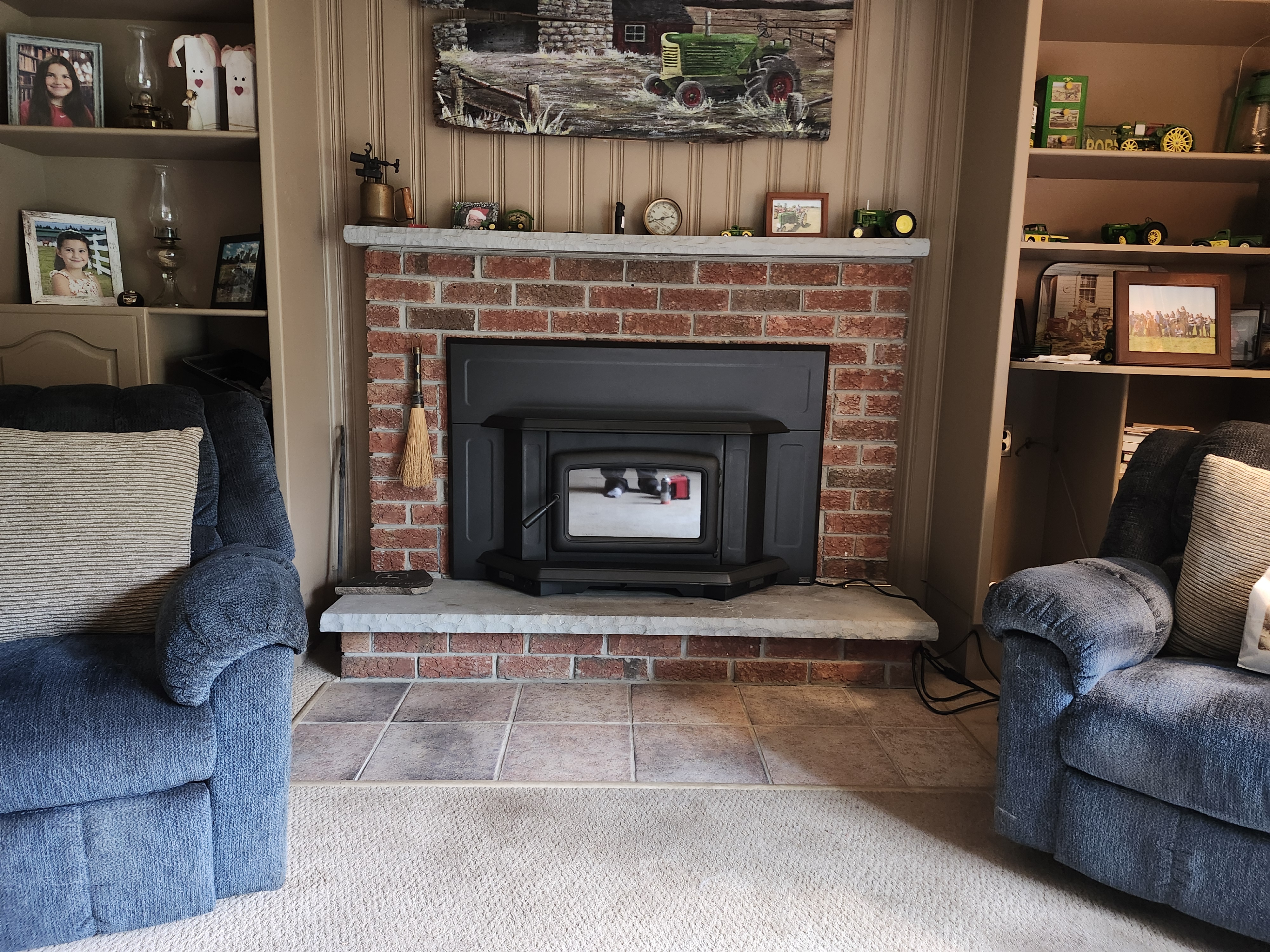
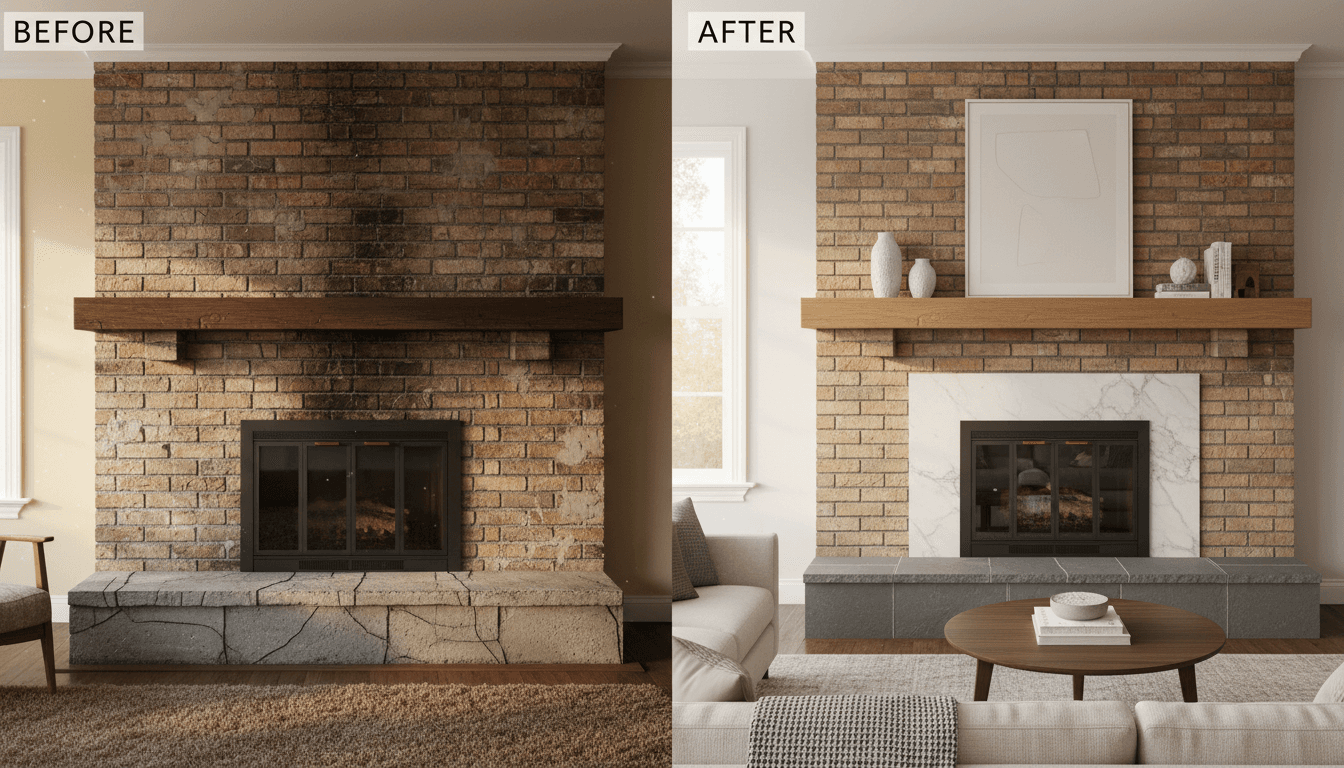
The first phase of a thorough chimney fire prevention checklist begins at the heart of the system: the firebox. Use a high powered flashlight to examine the interior walls for cracked firebricks or gaps in the mortar. These components are designed to reflect heat and protect the surrounding structure; if they are compromised, intense heat can transfer directly to the combustible wall studs behind the unit. Next, verify that the damper operates smoothly and creates a tight seal when closed. A rusted or warped damper prevents proper airflow control and can lead to dangerous backdrafting.
Testing the flue draw is essential before your first burn. Perform a simple paper test by lighting a small piece of newspaper and holding it near the open damper. If the smoke is pulled sharply upward, the chimney is drafting correctly. If it listlessly drifts or rolls back into the room, you likely have a cold air plug or a physical blockage that requires a professional assessment. For those with insert units, inspect the glass doors for chips or cracks that could fail under high temperatures.
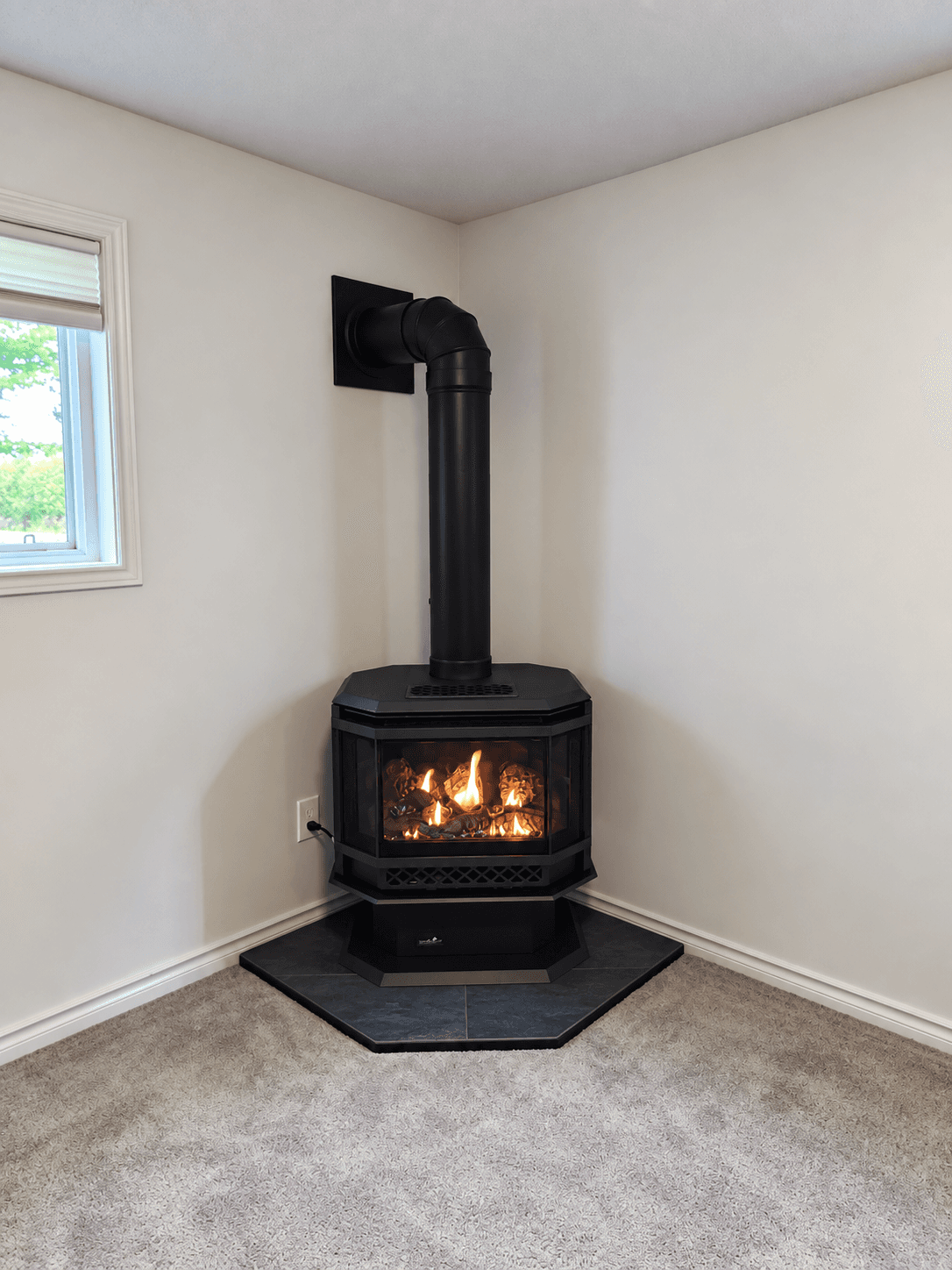
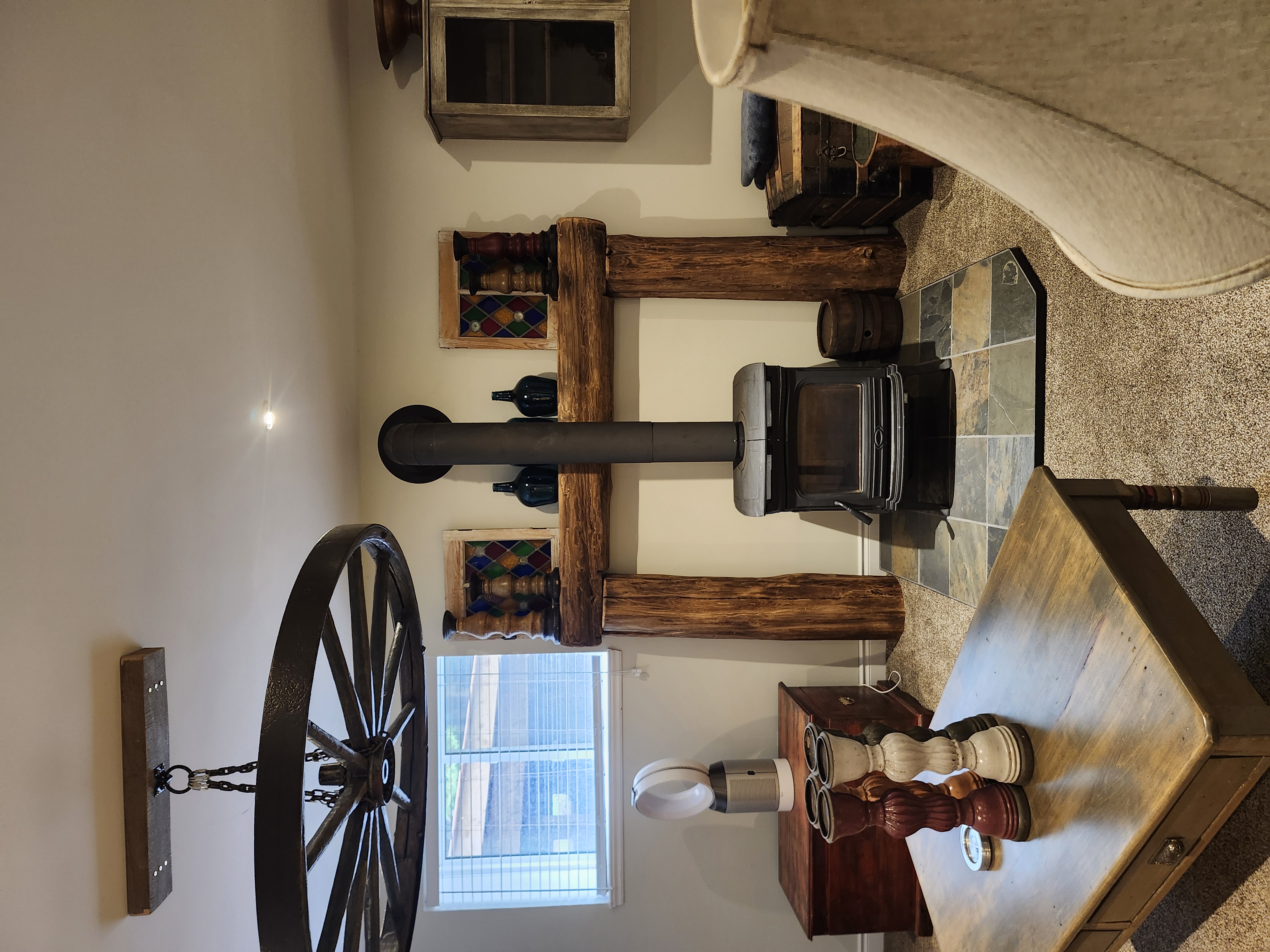
Special attention must be paid to the area surrounding the hearth, particularly in smaller Kawartha cottages. Adhere strictly to the clearance to combustibles rule by keeping furniture, rugs, and holiday decorations at least 36 inches away from the heat source. Finally, inspect the firebox walls for a shiny, black, glass like coating. This is Stage 3 creosote glaze, a highly flammable substance that serves as a primary fuel for chimney fires. This residue cannot be cleared with standard DIY methods and requires the specialized equipment used during certified WETT inspections or professional heating solutions in Norwood to remove safely.
The Exterior and Roof: Chimney Cap and Structure
Moving your chimney fire prevention checklist to the outdoors involves a critical visual scan of the structure from the ground. Start by examining the masonry for vertical cracks or missing mortar. A leaning stack is a particularly urgent red flag, as it often indicates structural decay or a failing foundation that could lead to a collapse or a house fire.
The chimney cap is your first line of defense against the elements and local fauna. In the Kawarthas, uncapped flues are prime real estate for wildlife. Raccoons, squirrels, and chimney swifts often build nests in dormant chimneys during the off-season. These nests create dense, highly combustible blockages that prevent smoke from venting and can ignite instantly when you light your first fire. Additionally, look for dark soot staining on the exterior brick or stone. This staining can indicate a cracked internal liner or a "silent" chimney fire that occurred previously without being detected.
While a ground-level inspection is a good starting point, do not attempt to climb steep cottage roofs yourself. The pitches found on many local properties require specialized safety gear and fall protection. For a comprehensive assessment of your chimney’s exterior and its internal integrity, scheduling certified WETT inspections is the safest approach. Professional heating solutions in Norwood ensure that these high-altitude components are evaluated thoroughly without risking personal injury.
The Utility Room: Safety Sensors and Alarms
While the chimney structure itself is the focus of your chimney fire prevention checklist, the utility room and hallways house your most critical fail-safes. Interconnected smoke and carbon monoxide (CO) detectors are mandatory for modern Ontario safety standards. CO is frequently labeled the silent killer because it is colorless and odorless; in wood-burning homes, it is often the direct result of a blocked flue or poor draft. Ensure these sensors are installed on every level of the property, especially near sleeping areas.
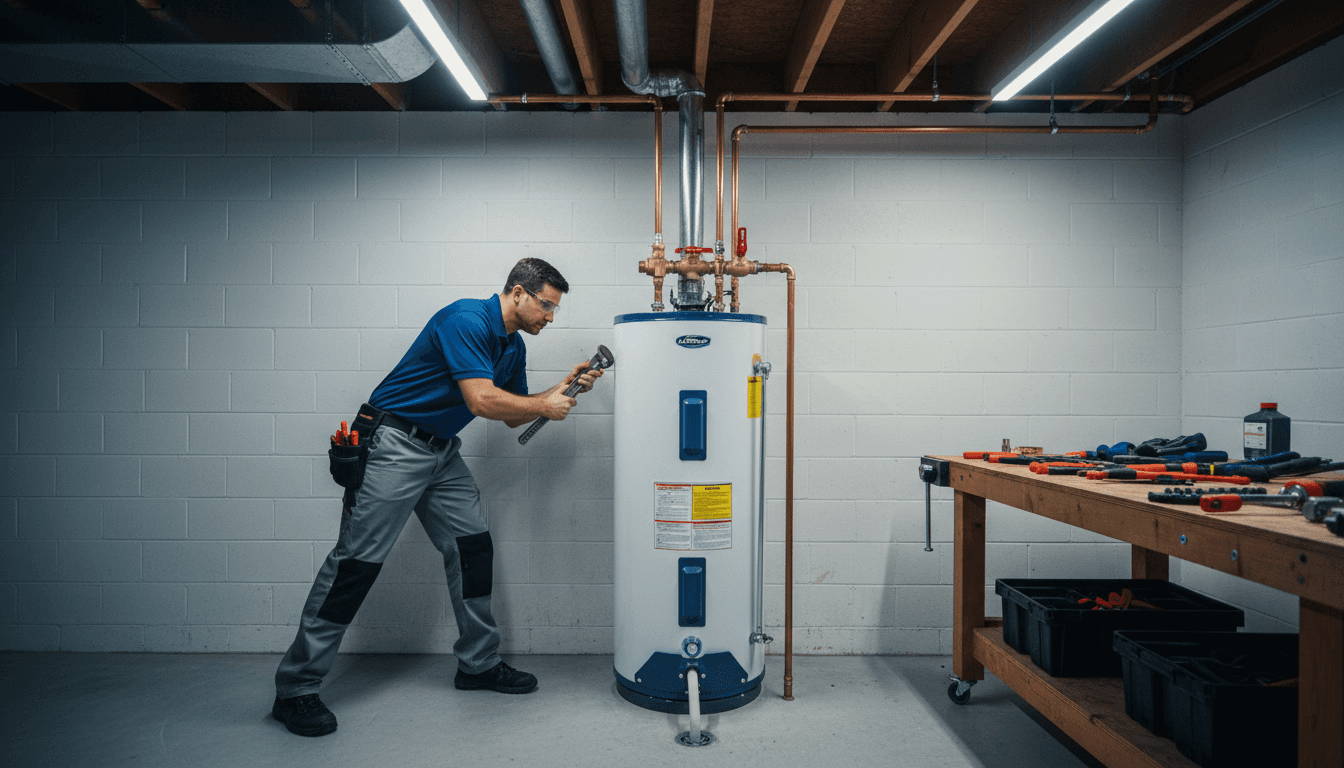
Most sensors have a 10 year lifespan, after which the internal components degrade and become unreliable. Replace the entire unit if it has reached this age, and switch batteries every autumn when you perform your seasonal maintenance. This is also the ideal time to coordinate a furnace checkup. Both your chimney and your furnace impact overall indoor air quality; professional heating solutions in Norwood can verify that your primary and secondary heat sources are venting properly without spilling gasses into the living space.
Every cottage and home must have a Class A-B-C fire extinguisher readily accessible near the wood-burning appliance. Familiarize yourself with the PASS method of operation: Pull the pin, Aim the nozzle at the base of the fire, Squeeze the trigger, and Sweep from side to side. Having this equipment on hand provides a vital window of defense while you evacuate and wait for emergency services to arrive.
The Wood Pile: Fuel Selection and Moisture Content
Your chimney fire prevention checklist is incomplete without a strict assessment of your wood pile. The fuel you select directly determines how much creosote accumulates in your flue. Burning green or unseasoned wood is both inefficient and dangerous; moisture in the wood absorbs heat, lowering combustion temperatures and causing smoke to condense into highly flammable tar. In our Ontario climate, wood must be split and seasoned in a dry, ventilated area for at least 6 to 12 months.
Invest in a digital moisture meter to verify that your firewood has a moisture content below 20 percent. Wood that sizzles or hisses when burning is too wet and will rapidly foul your system. Avoid burning household trash, pressure-treated lumber, or dried-out Christmas trees. These materials can trigger intense, uncontrollable chimney flares that exceed the temperature ratings of your flue liner. If you are unsure if your current setup can handle your heating demands, heating solutions in Norwood can evaluate your system. Proper fuel management, combined with certified WETT inspections, remains your best defense against residential fires.
Warning Signs: How to Identify a Chimney Fire in Progress
Even with the highest quality fuel, a chimney fire remains a possibility if maintenance has been neglected. Recognizing the immediate warning signs is vital for the safety of your Norwood residence or cottage. The most common indicator is an auditory one; homeowners often describe a low, rhythmic roaring sound that quickly escalates into a noise resembling a freight train or a jet engine. This sound is caused by the intense vacuum created by the fire consuming oxygen within the flue.
Visually, you may notice thick, discolored smoke, often black or dark grey, billowing from the chimney top. In severe cases, actual flames or a shower of sparks will be visible exiting the flue. Inside the home, the stovepipe may begin to glow red or emit intense, radiant heat that feels far hotter than a standard burn.
Not all incidents are explosive. Slow burning chimney fires can occur silently, reaching temperatures high enough to compromise the structural integrity of the chimney without producing obvious flames. These events often go unnoticed until a subsequent professional check reveals warped metal or cracked masonry. If you suspect an active fire, evacuate all occupants immediately and call 911 from a safe distance. Never attempt to extinguish the flames by climbing the roof or cleaning the flue while it is burning. Once the situation is resolved, professional heating solutions in Norwood and certified WETT inspections are required to determine if the system is safe to reactivate. Integrating these observations into your seasonal chimney fire prevention checklist ensures you can act decisively during an emergency.
WETT Inspections: The Gold Standard for Ontario Safety
A WETT (Wood Energy Technology Transfer) inspection goes beyond the scope of a standard sweep. While a sweep focuses on removing soot and creosote, a WETT inspection verifies that the entire system is installed according to the Ontario Building Code and manufacturer specifications. Most insurance companies in the Kawartha Lakes region require this certification to validate coverage for properties with wood burning appliances.
These inspections are divided into three levels based on the depth of the assessment. A Level 1 inspection is a visual check of all readily accessible components. Level 2 involves a more comprehensive look at accessible areas, including the roof and attic spaces, to confirm proper clearances and structural integrity. Level 3 is a specialized investigation into concealed parts of the chimney system if significant issues are suspected. Including this professional verification in your chimney fire prevention checklist is the only way to ensure hidden installation flaws do not lead to a house fire. Kawartha Heating Solutions offers certified WETT inspections to provide the documentation your insurer needs and the peace of mind your family deserves. Our team delivers expert heating solutions in Norwood, ensuring your fireplace remains a safe, efficient asset all winter long.