Homeowners should schedule a professional gas fireplace service Ontario at least once per year to ensure optimal safety, efficiency, and system longevity. Key signs that immediate maintenance is required include a pilot light that will not stay lit, orange or yellow flames, and unusual odors near the unit.
As the crisp Ontario air settles over the Kawartha Lakes, there is nothing more frustrating than flipping your fireplace switch only to be met with cold silence or a concerning metallic odor. A gas fireplace is more than a decorative centerpiece; it is a complex heating system that demands precision maintenance to ensure your family stays warm and safe throughout the winter. Ignoring subtle signs of wear now can lead to costly repairs or emergency calls during the first deep freeze. In this guide, we will explore the essential steps for a successful fall startup, from decoding common smells to troubleshooting stubborn pilot lights. You will also learn about the specific rural challenges facing local homeowners and why professional gas fireplace service in Ontario is critical for maintaining peak performance and visual clarity all season long.
The First Light of the Season: Why Fall Startup Matters for Kawartha Homes
As the morning mist lingers longer over the Otonabee River and the hardwood forests around Norwood begin their annual shift to amber, the urge to flip the switch on your gas fireplace becomes irresistible. After a long, humid Ontario summer, these units have sat dormant while moisture and dust accumulated within the firebox and venting systems. Simply clicking the remote without a preliminary inspection can lead to ignition failures or poor indoor air quality exactly when the temperatures drop.
September and October represent the most critical window for the gas fireplace service Ontario homeowners rely on to ensure winter reliability. Booking maintenance during these months prevents the frustration of a mid-winter breakdown when technicians are at their busiest. For residents in the Kawartha Lakes region, the distinction between urban and rural setups is vital. While Peterborough homes often utilize municipal natural gas, many properties in the surrounding townships operate on private propane systems. These rural configurations face unique challenges, such as regulator moisture and specific pressure requirements, that differ significantly from city lines. Ensuring your system is optimized for the local climate requires expert attention. If you are unsure of your system's status, you can contact our Norwood team to schedule a seasonal safety check and ensure you have comprehensive heating solutions in place before the first snow falls.
Burn Off vs Gas Leak: Decoding First Fire of Season Smells
When you finally ignite the burner for the first time in months, a distinct odor often wafts into the room. Distinguishing between a routine startup occurrence and a safety hazard is the first step in responsible home maintenance. Most residents will notice a faint, singed, or dusty smell. This is perfectly normal; it is simply the accumulation of household dust and pet dander that has settled on the burner tray and ceramic logs during the humid summer months burning off. This odor should dissipate entirely within 20 to 30 minutes of operation. Opening a window slightly during this initial burn can help clear the air quickly.
In contrast, the smell of rotten eggs or sulfur is a critical warning sign. Gas suppliers add a chemical called mercaptan to natural gas and propane specifically so leaks can be detected by scent. If you encounter this sharp, unpleasant odor, do not ignore it. Immediately extinguish any open flames, avoid toggling electrical switches, and shut off the main gas valve to the unit. This valve is typically located in the control compartment beneath the firebox or behind a nearby access panel. Once the gas is isolated, you must contact our Norwood team to perform a leak test and safety inspection.
It is vital to remember that while gas has an added scent, carbon monoxide is completely odorless and colorless. This invisible threat is the primary reason why working carbon monoxide detectors are a legal requirement for Ontario homes with fuel-burning appliances. Before your first fire, test your detectors to ensure the sensors and batteries are functional. If a dusty smell persists for hours or the unit makes unusual hissing noises, it likely requires the professional gas fireplace service Ontario homeowners use to maintain system integrity and peace of mind.
Why Your Pilot Light Wont Stay Lit: Troubleshooting Thermocouples and Thermopiles

Ignition failure is the most frequent service call we receive during the autumn months in Norwood. When your fireplace refuses to stay lit, the problem usually stems from two critical safety components: the thermocouple and the thermopile. While they look similar to the untrained eye, they perform distinct roles in the operation of your unit.
A thermocouple is a small, slender sensor that sits directly in the pilot flame. Its job is to detect heat and send a signal to the gas valve to remain open. If your pilot lights easily but immediately goes out the moment you release the control knob, the thermocouple is likely the culprit. Over time, these sensors can become coated in carbon or shift out of the flame path. In the humid Kawartha climate, even a small amount of corrosion on the electrical connections can prevent the signal from reaching the valve.
The thermopile is a larger, thicker probe located next to the pilot. It is essentially a bundle of thermocouples designed to generate enough millivolts of electricity to power the main gas valve. If your pilot light is burning steadily but the main burner fails to engage when you flip the wall switch or use your remote, the thermopile is typically failing to produce the necessary voltage.
Rural Ontario properties face unique environmental challenges that exacerbate these technical issues. During the off-season, sac spiders are notorious for crawling into the small pilot assembly to spin webs, attracted by the residual scent of the gas. These microscopic obstructions, combined with moisture-driven oxidation on the sensors, are primary reasons homeowners require professional gas fireplace service Ontario experts provide. Because these components involve precise millivolt readings and controlled gas flow, attempts to clean or adjust them without specialized tools can result in permanent damage to the delicate pilot orifice. If your ignition sequence is inconsistent, you should contact our Norwood team to ensure your comprehensive heating solutions are functioning safely before the deep freeze arrives.
The Rural Factor: Propane Considerations and Spider Webs in the Kawarthas
Living in the Kawarthas involves unique challenges that standard city focused maintenance guides often overlook. For many residents in Norwood and the surrounding townships, propane is the primary fuel source. Unlike municipal natural gas, propane systems rely on external tanks that require monitoring after the summer months. If your tank levels dropped significantly during the off season, moisture could have accumulated, potentially leading to regulator freezing as the temperatures dip. Ensuring your regulator is clear of debris and functioning at the correct pressure is a standard part of the gas fireplace service Ontario homeowners need to secure their winter comfort.
A specific regional nuisance we frequently encounter involves the yellow sac spider. These tiny arachnids are attracted to the smell of the odorant in propane and natural gas. During the summer, they often crawl into the narrow pilot tubes or the burner orifice to spin dense, silk webs. Even a microscopic web can completely block the flow of gas, preventing the unit from igniting despite a full tank and a functioning switch.
Attempting to clear these blockages yourself is risky. The burner orifice is a precision drilled component; using a needle or wire to poke at a web can easily enlarge the hole, leading to an unsafe flame pattern or excessive soot production. Our technicians use specialized compressed air and delicate brushes to clear these obstructions without compromising the hardware. If you suspect an environmental blockage is hindering your startup, you should contact our Norwood team to ensure your comprehensive heating solutions remain safe and efficient for the season ahead.
Cloudy Glass and Yellow Flames: Visual Signs Your Fireplace Needs Cleaning
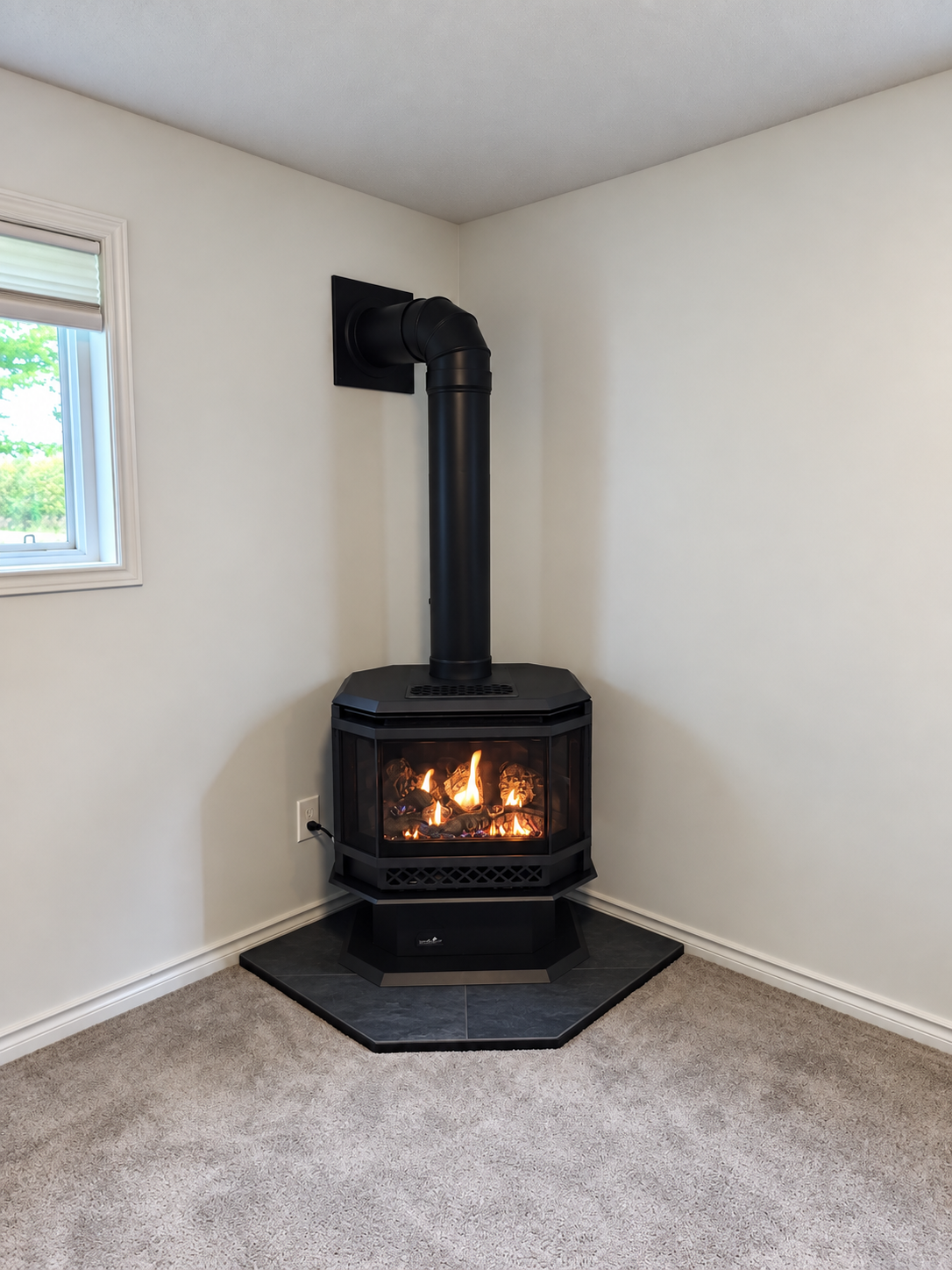
A fireplace is a visual centerpiece, but its appearance also serves as a diagnostic tool for the homeowner. One of the most common issues Norwood residents encounter is a stubborn white film or foggy haze on the interior of the glass firebox. This is not simple household dust; it is a byproduct of combustion, specifically sulfur and minerals found in the fuel. When these deposits are exposed to high heat over time, they undergo a chemical reaction that can permanently etch the glass, leaving it clouded even after a scrubbing. You should never use standard household window cleaners, as these often contain ammonia that can chemically react with the ceramic glass. Instead, use a specialized gas fireplace glass cleaner designed to remove these specific deposits without scratching the surface. Regular cleaning of this glass is a key component of the gas fireplace service Ontario homeowners book to preserve the aesthetic and value of their professional gas fireplace installation.
Beyond the glass, the flame itself tells a story about the system internal health. In a well-tuned system, a healthy propane flame should display a distinct blue base with stable, vibrant yellow or orange tips. If you notice the flame has become dark orange, tall, and lazy, or if it is actively producing black soot on the ceramic logs and glass, your unit is struggling. This usually indicates an improper fuel to air mixture or a clogged burner port. Soot is essentially unburned carbon, which suggests a dangerous lack of oxygen. If your flame pattern has shifted or you see dark buildup, you should contact our Norwood team to investigate the blockage. Maintaining these comprehensive heating solutions ensures that your home remains safe and your fireplace continues to operate at peak efficiency throughout the winter.
Professional Gas Fireplace Service Ontario: What a Certified Technician Actually Does
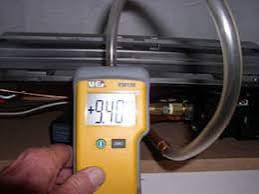
While a homeowner can safely wipe down the exterior or clean the glass with the right products, a professional inspection goes deep into the internal mechanics of the unit. A TSSA certified technician brings specialized diagnostic tools to verify that the system is operating within the manufacturer's exact specifications. This level of technical oversight is the core of the gas fireplace service Ontario residents rely on for long term safety. For example, we use a manometer to measure the manifold pressure, ensuring the gas flow is neither too high, which can cause overheating, nor too low, which leads to poor combustion and soot.
A comprehensive inspection involves several critical steps that go beyond a simple visual check:
Electrical Diagnostics: Testing the millivolt output of the thermopile and thermocouple to ensure the sensors are generating enough electricity to safely operate the gas valve.
Precision Cleaning: Deep cleaning the pilot assembly and burner ports to remove microscopic debris or oxidation that a vacuum cannot reach.
Seal Integrity: Inspecting the combustion chamber gasket to ensure no exhaust gases are leaking into the living space through a compromised seal.
Venting Verification: Checking the exterior chimney or venting for obstructions like bird nests, hornet hives, or rodent damage, which are common in the Kawartha Lakes area.
For those with seasonal properties or rentals, these service records are more than just maintenance logs. Insurance providers, particularly in cottage country, often require proof of professional service to validate coverage for fire or gas related claims. Maintaining documented comprehensive heating solutions provides essential legal and financial protection. If you have recently completed a professional gas fireplace installation or need to verify the safety of an older unit, you should contact our Norwood team to ensure your system meets all provincial safety standards before the heavy heating season begins.
Taking the time to prepare your fireplace now ensures a warm and worry-free winter season. While basic troubleshooting can solve minor pilot light issues, regular maintenance is essential for peak performance and safety. If you are looking for expert guidance or considering a brand new gas fireplace installation, our team is here to assist. Professional care provides peace of mind, allowing you to focus on enjoying the cozy atmosphere of your home. Let us help you keep your fireplace running reliably all season long.