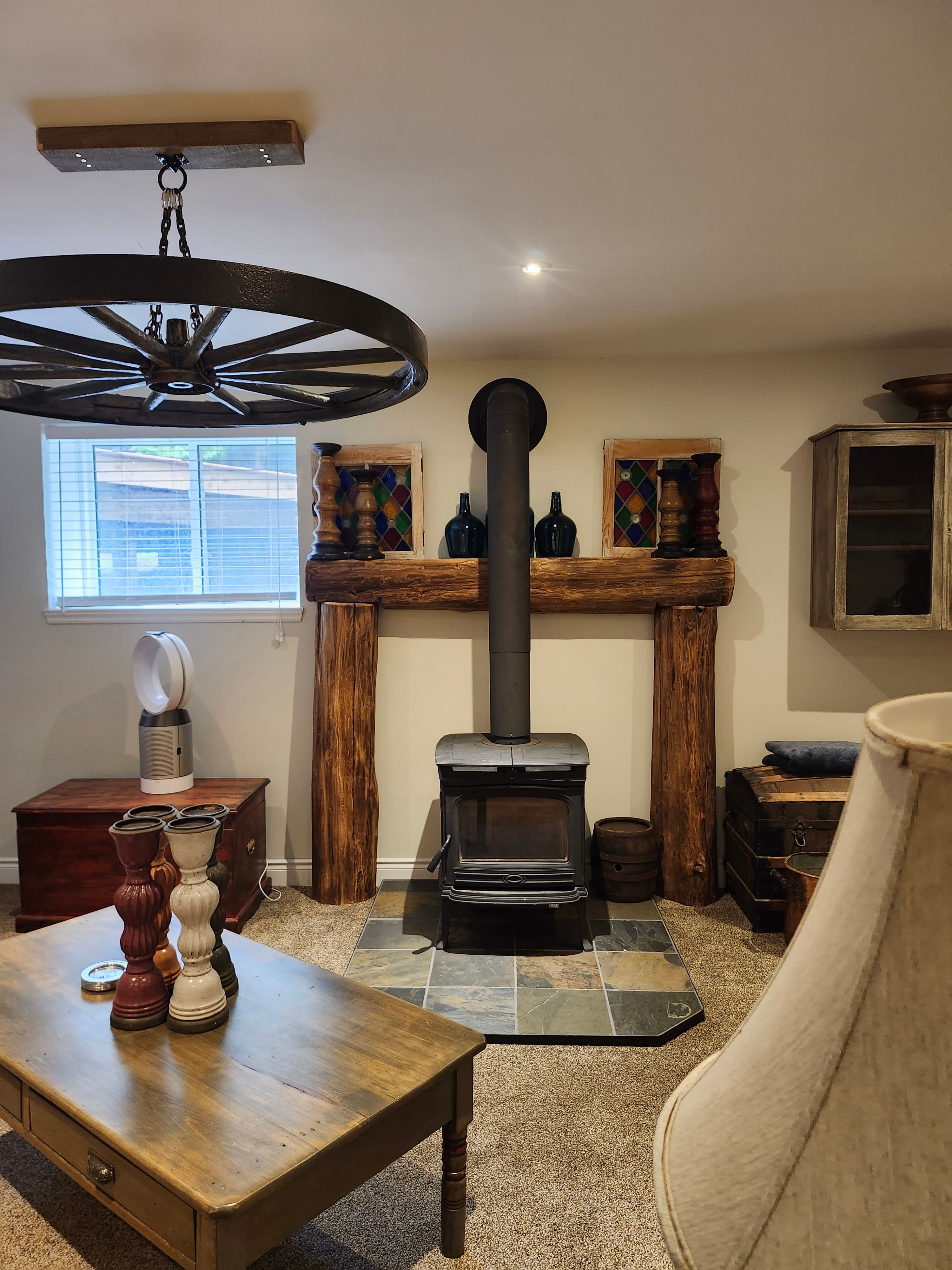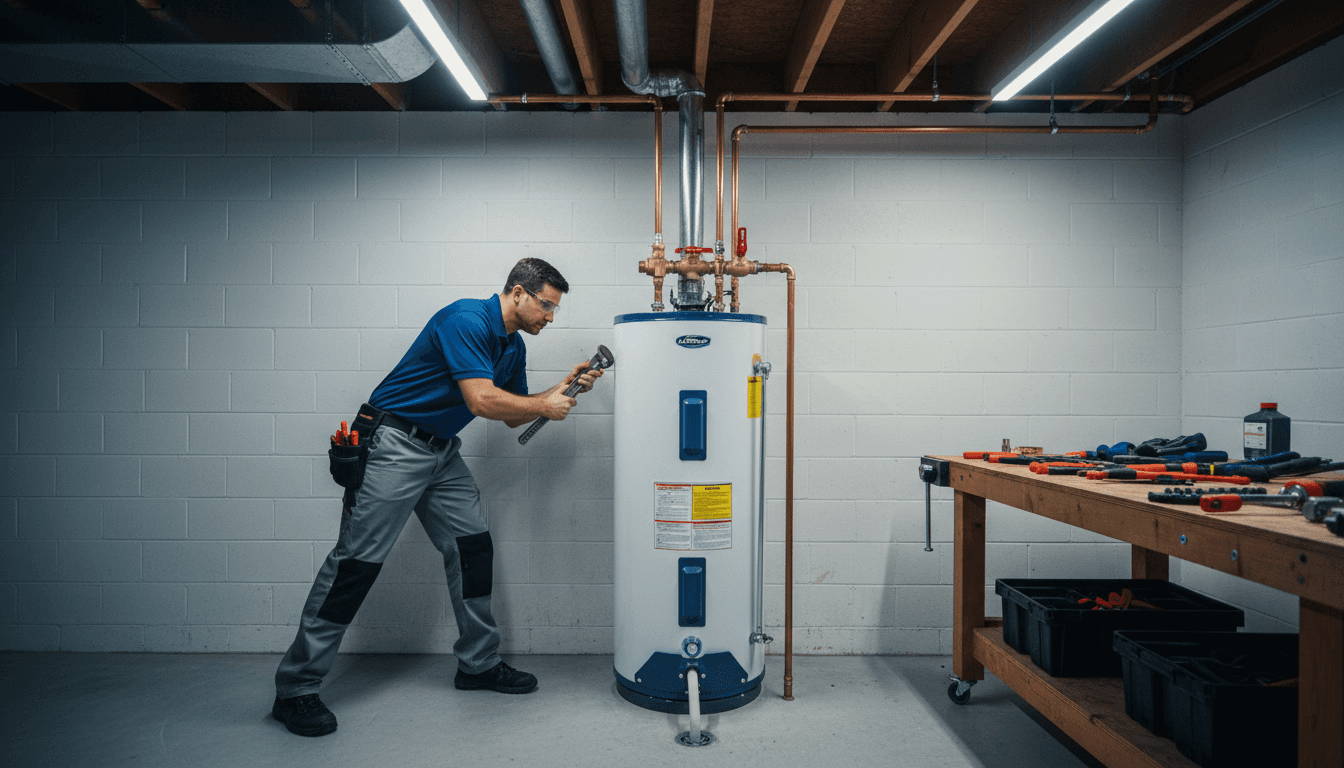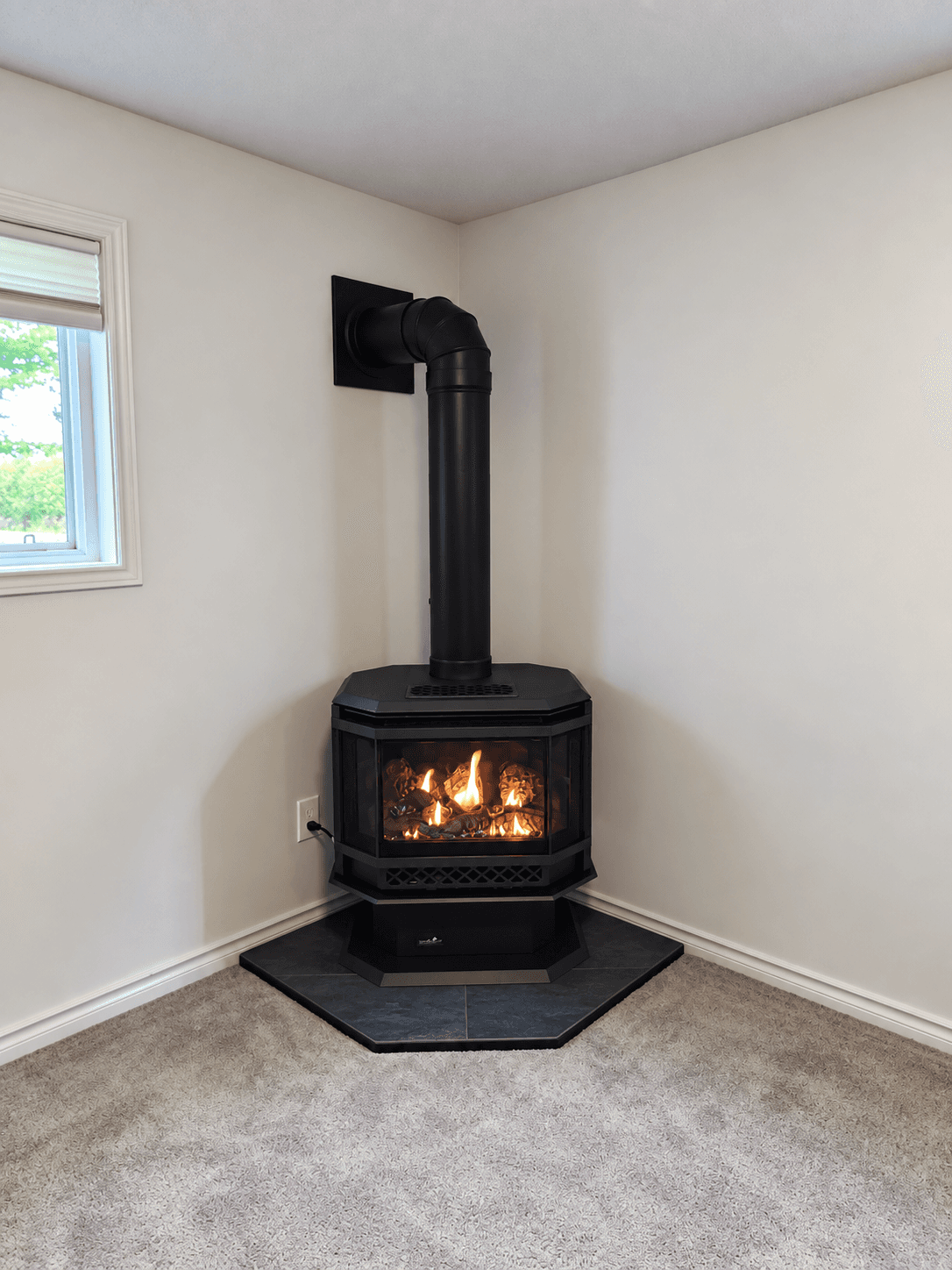
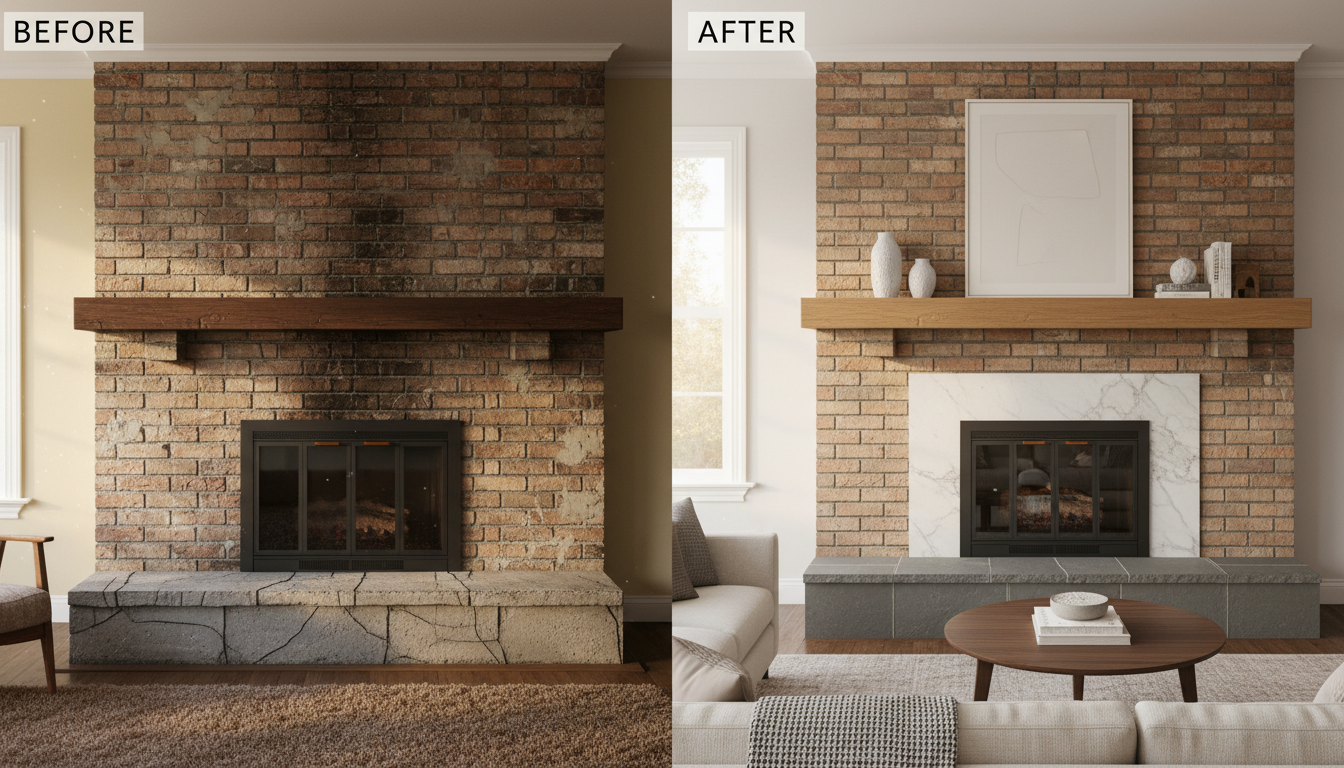
Professional WETT-certified service ensures that your wood stove installation Ontario complies with provincial building codes and specific fire safety regulations. Hiring a certified technician guarantees proper clearances and venting while providing the necessary documentation to satisfy home insurance requirements and protect your property.
There is nothing quite like the radiant heat of a wood stove during a damp Kawartha autumn or a deep Ontario winter, but the path to a warm hearth is often cluttered with complex building codes and strict insurance requirements. For many property owners, the initial excitement of installing a wood burning appliance is quickly overshadowed by the technical demands of CSA B365 compliance and the fear of a rejected insurance claim. This guide clarifies the essential steps of a professional installation, detailing why certified expertise is non negotiable in the Kawartha Lakes region. We will explore the regulatory landscape of the Ontario Building Code, explain the vital distinction between WETT inspectors and technicians, and provide a transparent look at the costs involved. Whether you are upgrading a rural home or winterizing a seasonal cottage, you will discover how to achieve a safe, efficient, and fully compliant wood heat solution.
The Appeal of Wood Heat in Kawartha and Cottage Country
In the Kawartha Lakes and surrounding regions like Norwood and Peterborough, wood heating is more than just a tradition; it is a practical necessity. For many cottage owners, a wood-burning appliance offers essential off-grid reliability during winter storms and a distinct ambiance that modern furnaces cannot replicate. It remains one of the most cost-effective ways to manage rising energy prices in rural Ontario, providing high-output heat that keeps large, open spaces comfortable throughout the shoulder seasons and deep winter.
Many homeowners naturally look for ways to reduce costs when upgrading their heating systems. However, a wood stove installation Ontario project is not a weekend hobby. It is a highly regulated technical process governed by the Ontario Building Code and specific safety standards. While the initial savings of a DIY install may seem attractive, the reality is that professional expertise is mandatory to navigate the legal landscape.
Insurance providers now almost universally require WETT inspections for insurance before they will cover a property with a wood-burning appliance. A single error in clearance or flue pipe configuration can lead to a house fire or a complete denial of coverage. If you are considering wood fireplace installations or a new stove, you must prioritize compliance over initial cost savings. To ensure your home remains safe and insurable, we recommend you contact our expert team to discuss the specific regulations that apply to your local municipality.
Ontario Wood Stove Regulations: Understanding CSA B365 and the Building Code
Navigating a wood stove installation Ontario project requires a deep understanding of two primary legal frameworks: Section 9.22 of the Ontario Building Code and the CSA B365 standard. These are not merely suggestions; they are the enforceable regulations that ensure your system does not ignite the framing of your home. While the Building Code provides the broad legal requirements, CSA B365 is the technical "Installation code for solid-fuel-burning appliances and equipment." It dictates everything from how much air is required for combustion to the specific distance a stove must sit from a drywall or wood-paneled wall.
Homeowners often underestimate the complexity of component compatibility. It is never as simple as just hooking up a pipe to an old chimney. Every part of the system, from the stove itself to the flue pipe and the chimney transition, must be compatible and rated for the specific heat output of the appliance.
Regulatory Component | Primary Function |
|---|---|
Ontario Building Code 9.22 | Mandates the general safety, structural integrity, and permit requirements for fireplaces and stoves. |
CSA B365 Standard | Provides the granular technical specifications for clearances, venting, and hearth protection. |
A critical distinction exists between certified and uncertified appliances. A certified stove features a manufacturer label specifying required clearances; these instructions override general code. However, if that label is missing or illegible, the stove is treated as uncertified, requiring significantly larger clearances that often make installation impractical in smaller cottage spaces. Furthermore, the point where the flue pipe passes through a wall or ceiling is a high-risk transition area. If the chimney is too short above the roofline or the wall thimble is installed incorrectly, the system fails both safety standards and building inspections.
Ultimately, the local Municipal Building Department, such as the office in Asphodel-Norwood, holds final authority. They require a building permit for any new installation to ensure these standards are met. To navigate these requirements correctly, you should contact our expert team before purchasing equipment to ensure your plan meets every legal benchmark and will pass future WETT inspections for insurance.
Why DIY Wood Stove Installation is a False Economy
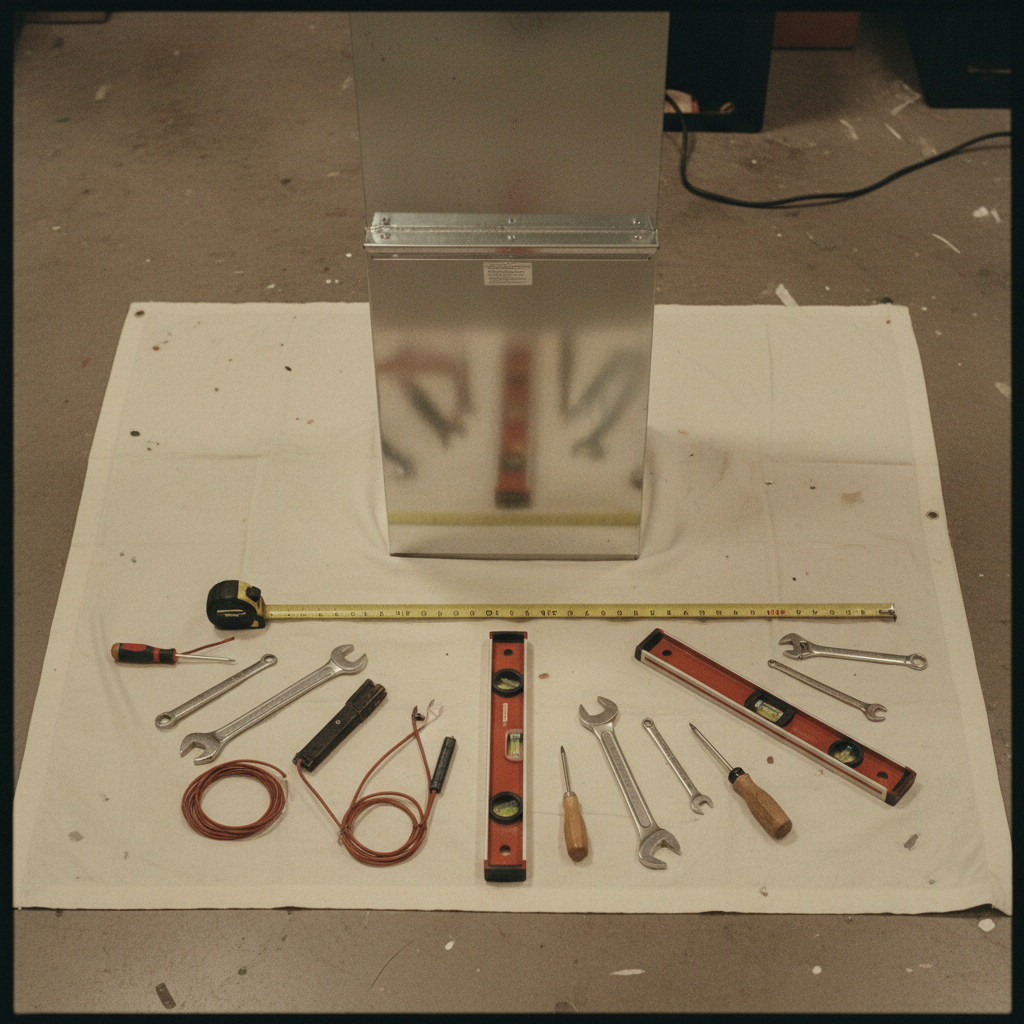
The question of "Can I install a wood stove myself?" is common among self-reliant homeowners in the Kawarthas. While you might be able to physically connect the components, doing so is a classic example of a false economy. A DIY project might appear to save you between $500 and $1,000 in labor costs today, but it frequently results in a "zero-value" system that creates significant financial and legal liabilities tomorrow. This initial saving is quickly eclipsed by the long-term expenses of correcting mistakes to meet provincial standards.
The first and most immediate risk is insurance denial. Most insurance providers in Ontario will not cover a property where a wood-burning appliance has been installed without professional oversight. If you proceed with a DIY installation and fail to secure WETT inspections for insurance, you risk having your policy cancelled or, worse, a claim denied following a fire. An uncertified installation is viewed as an unacceptable risk by underwriters, making those initial savings irrelevant if your home is no longer protected.
Safety hazards represent a far more dangerous consequence. Incorrect clearances to combustibles or poorly executed chimney transitions are the primary causes of residential structure fires involving wood heat. A professional understands the nuances of heat transfer through wall assemblies and the specific requirements for attic radiation shields that a casual installer might overlook. These technical details are the difference between a cozy winter evening and a catastrophic property loss.
Feature | DIY Installation | Professional WETT-Certified Install |
|---|---|---|
Insurance Status | Likely denied or voided | Fully covered and documented |
Safety Standard | Uncertain/Unverified | CSA B365 and Building Code compliant |
Resale Value | Potential liability for buyer | Asset that increases home value |
Technical Accuracy | High risk of clearance errors | Expertly calculated and verified |
Consider the impact on property value. In the current Ontario real estate market, particularly in rural areas like Norwood and Peterborough, you cannot easily sell a home without a WETT certificate for the wood-burning system. A DIY installation that does not meet CSA B365 standards will be flagged during the home inspection process. This often forces the seller to pay for a complete professional teardown and re-installation at the last minute to save the deal. To avoid the cost of doing the job twice, contact our expert team to plan your wood stove installation Ontario correctly from the start.
What a Proper WETT-Certified Install Requires
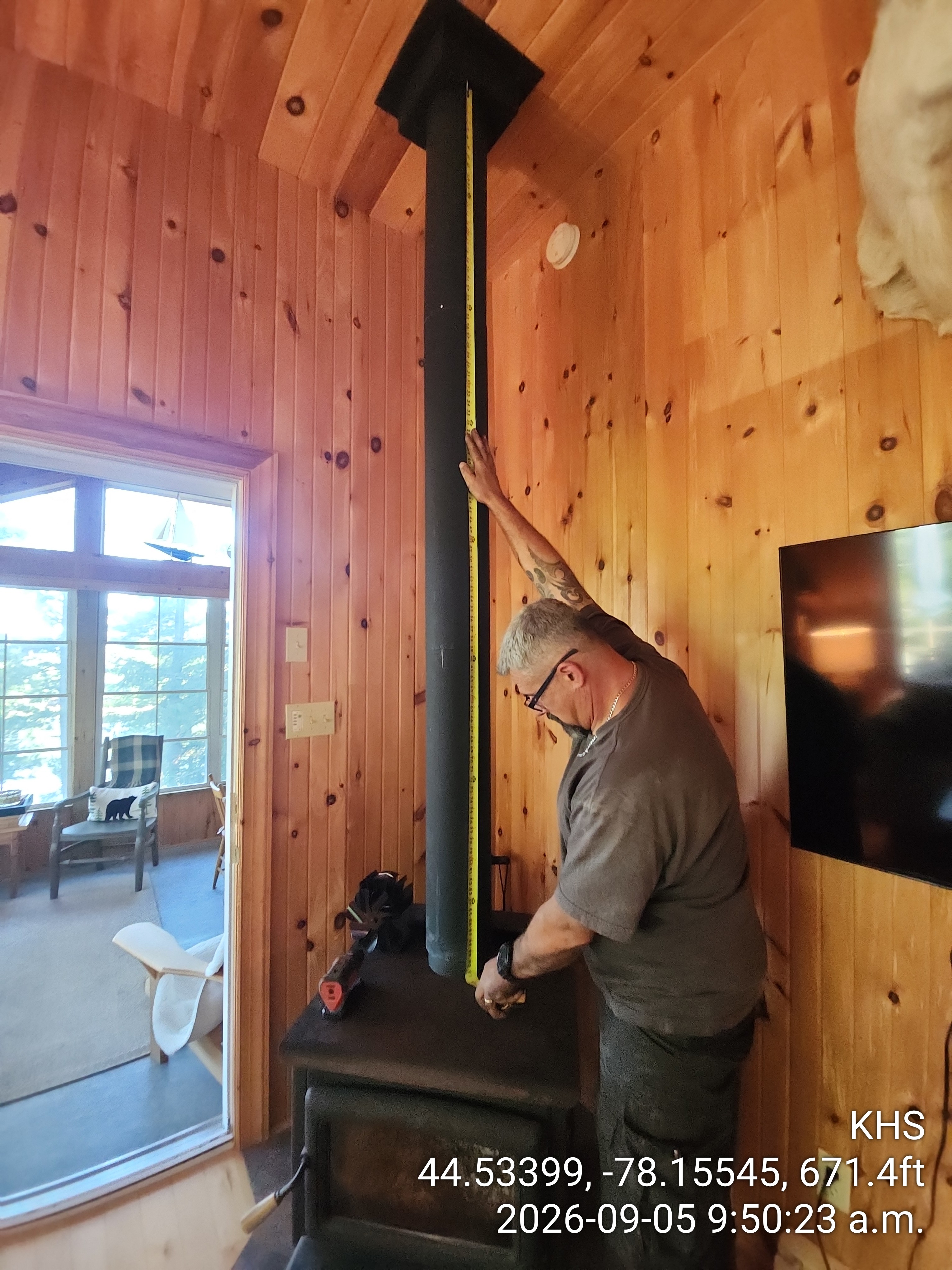
A professional installation is defined by its adherence to technical specifications that most homeowners simply do not have the tools or training to measure. When we perform wood fireplace installations in the Kawarthas, we evaluate four critical pillars of safety: floor protection, clearances, chimney integrity, and wall shielding.
Floor protection, or the hearth, is often the first point of failure in a DIY project. It is not enough to simply place a piece of tile on the floor. Many modern stoves require a specific R-value (thermal resistance) to prevent heat from transferring through the hearth and charring the subfloor. A standard install usually requires 18 inches of protection in front of the loading door and 8 inches on the sides and rear, but these dimensions change based on the specific appliance certification.
Component | Requirement Detail |
|---|---|
Hearth R-Value | Must meet manufacturer specs to prevent subfloor ignition. |
Stove Clearances | Varies by certification; uncertified units require up to 48 inches. |
Flue Pipe | Single-wall pipe requires 18 inches; double-wall often only 6 inches. |
Chimney Height | Must follow the 3-2-10 rule for proper draft and fire safety. |
The chimney system itself requires more than just a clear passage. If you are using an existing masonry chimney, a stainless steel liner is mandatory to ensure proper drafting and to protect the old brick and mortar from corrosive flue gases. We also strictly enforce the 3-2-10 rule: the chimney must extend at least 3 feet above the highest point where it exits the roof, and be at least 2 feet higher than any part of the roof or building within a 10-foot horizontal radius. This prevents downdrafts and reduces fire risks from sparks.
Wall shields are another area where professional knowledge is vital. Many believe that bolting cement board directly to a wall creates a heat shield. In reality, this can actually conduct heat into the studs. A proper shield requires a one-inch ventilated air space between the shield and the wall, allowing air to circulate and carry heat away. If your current setup lacks these features, it will fail WETT inspections for insurance. To ensure your system meets these rigorous technical standards, contact our expert team for a site evaluation before you begin your project.
WETT Inspector vs WETT Technician: Knowing the Difference
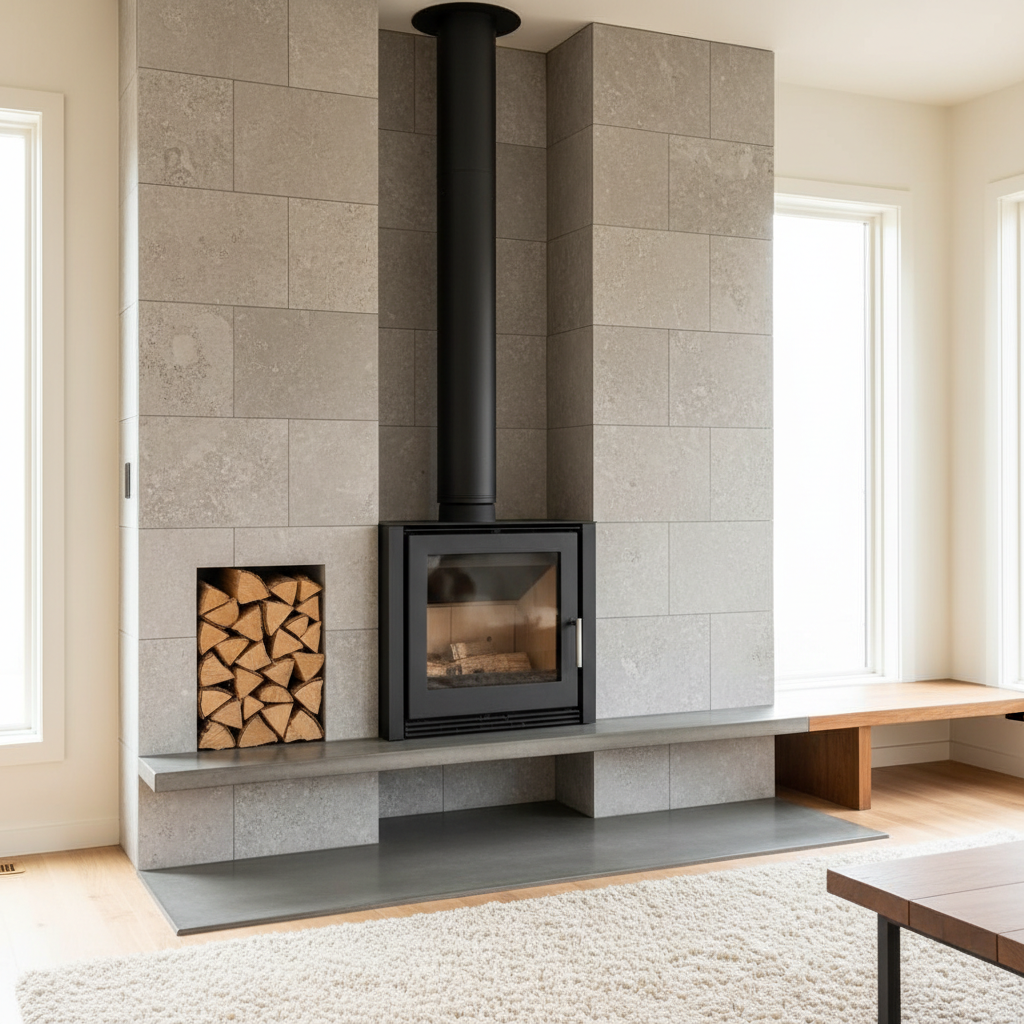
Understanding the hierarchy of WETT certifications is vital when planning a wood stove installation Ontario project. Homeowners often hire an Inspector when they actually need the hands-on capabilities of a Technician. A WETT Inspector, a role frequently held by general home inspectors, is trained primarily to observe and report on existing systems. They document visible deficiencies for insurance or real estate purposes but lack the certification to move components, perform repairs, or execute a new install.
In contrast, a WETT Technician, like our team at Kawartha Heating Solutions, possesses advanced training that allows for physical intervention. We do not just look at the system; we build and maintain it. If your flue requires a new liner or your hearth pad needs modification to meet CSA B365 standards, a Technician is the only professional authorized to perform that work while maintaining the system’s integrity. For any new wood fireplace installations or upgrades to an existing cottage setup, you must verify that your service provider is a certified Technician.
Role | Scope of Authority | Primary Task |
|---|---|---|
WETT Inspector | Observation and reporting only. | Identifying non-compliance for insurance. |
WETT Technician | Installation, maintenance, and repair. | Physically building or fixing the system. |
WETT Chimney Sweep | Cleaning and basic inspection. | Removing creosote and monitoring safety. |
Hiring an individual who can only identify problems leaves you searching for a second professional to fix them. To ensure your system is both safe and compliant from the first day of use, contact our expert team to book a qualified Technician. This distinction ensures your WETT inspections for insurance result in a passing grade because the installation was performed correctly at the outset.
The Real Cost of Wood Stove Installation in Ontario
Price transparency is often lacking in the heating industry. You might see online advertisements quoting $500 to $1,000 for a wood stove installation Ontario project, but these figures are almost always just the labor cost for a simple swap of an existing unit. For a comprehensive new installation in the Kawartha Lakes area, the total investment typically ranges from $3,000 to over $6,000. This figure accounts for high-quality insulated chimney systems, specialized hearth pads, and the technical labor required to ensure every component meets CSA B365 standards.
A professional project begins with a site consultation. In our region, this service usually starts around $400. This fee covers the expert analysis of your home's structure, measuring clearances, and determining the safest venting route. Cutting corners on the initial planning phase often leads to expensive mid-project corrections or a failed inspection later on.
Service Level | Description | Typical Cost Range |
|---|---|---|
Site Consultation | Technical assessment and planning | $400 and up |
Labor Only | Basic swap using existing compliant venting | $500 to $1,200 |
Full System | New stove, chimney, hearth, and labor | $3,000 to $6,500 plus |
Investing in a full professional package ensures you receive the necessary documentation for WETT inspections for insurance. When you contact our expert team for wood fireplace installations, we provide a detailed breakdown. This transparency prevents surprises during the final inspection or when you are submitting paperwork to your insurance provider.
Special Considerations for Kawartha Cottages and Rural Homes
Installing a wood-burning system in the Kawartha Lakes region involves unique logistical hurdles that urban contractors rarely encounter. Many properties in Norwood and the surrounding cottage country are situated on private, seasonal, or water-access roads. Transporting heavy cast iron stoves and long sections of insulated chimney pipe requires careful planning and specialized equipment. Furthermore, older cottage constructions often feature non-standard framing or thin wall assemblies that complicate the standard wood stove installation Ontario process. These structures require a nuanced understanding of how to apply CSA B365 heat shield regulations to ensure safety without compromising the cabin's aesthetic.
The proximity of dense forest and brush also demands strict adherence to the 3-2-10 rule for chimney height to prevent downdrafts caused by nearby treelines. In a wood-heavy heating environment like Norwood, professional chimney sweeps are not just a luxury; they are a critical maintenance step to prevent creosote buildup in systems that run constantly during the winter months. Our team at Kawartha Heating Solutions specializes in these rural challenges, ensuring that even remote properties receive the same level of technical precision as a modern home in Peterborough. Before you upgrade your seasonal retreat, contact our expert team to evaluate your site and coordinate the WETT inspections for insurance needed to protect your investment.
Ensuring your cottage remains a safe and cozy retreat requires more than just picking the right stove. By choosing a WETT-certified professional, you guarantee that your installation meets strict safety standards and insurance requirements. If you want expert help navigating these technical details, our team can provide the guidance you need. We invite you to explore our services for Wood Fireplace Installations to see how we can enhance your seasonal home. Let us help you create a warm, worry-free environment for your family.