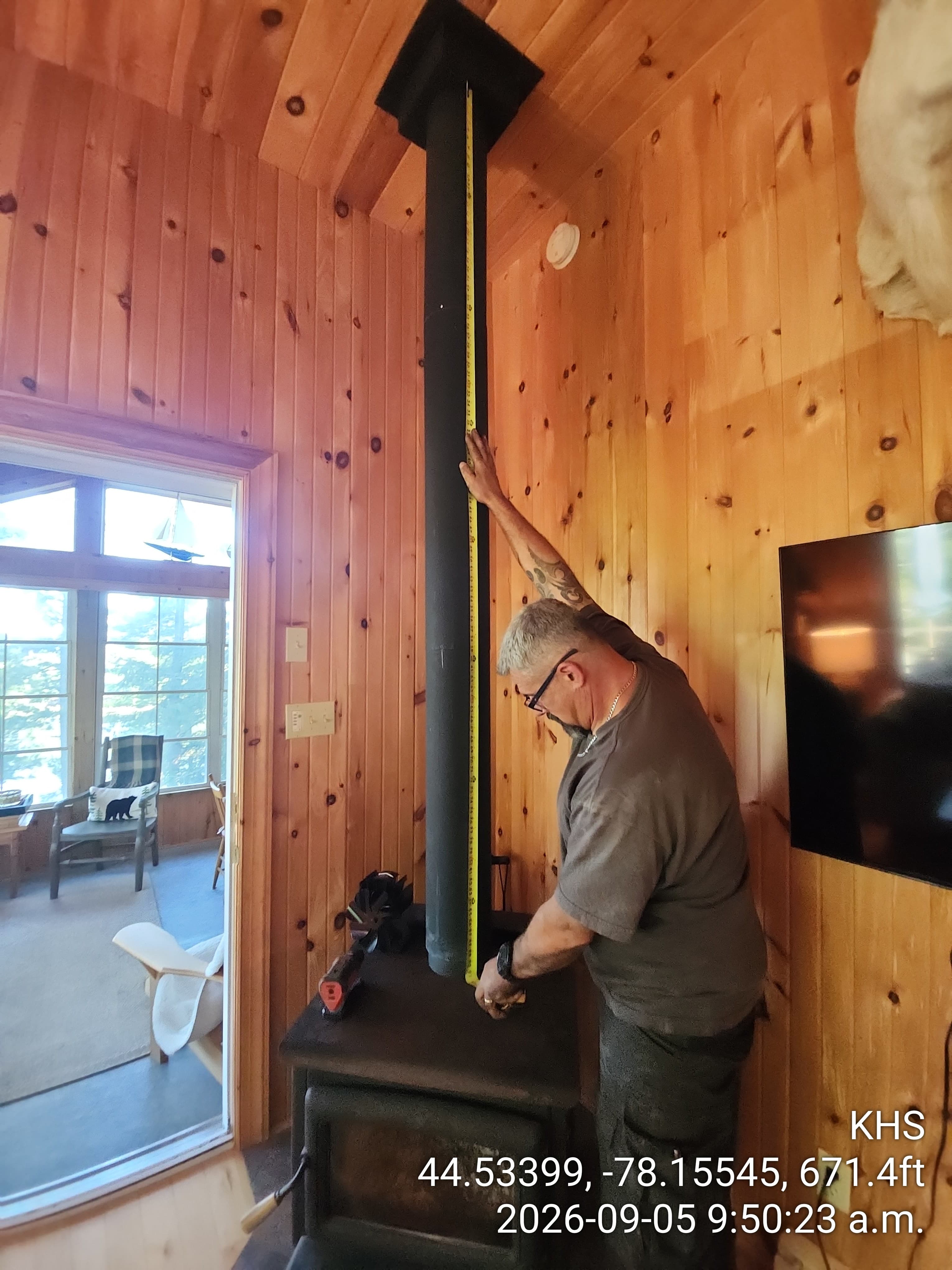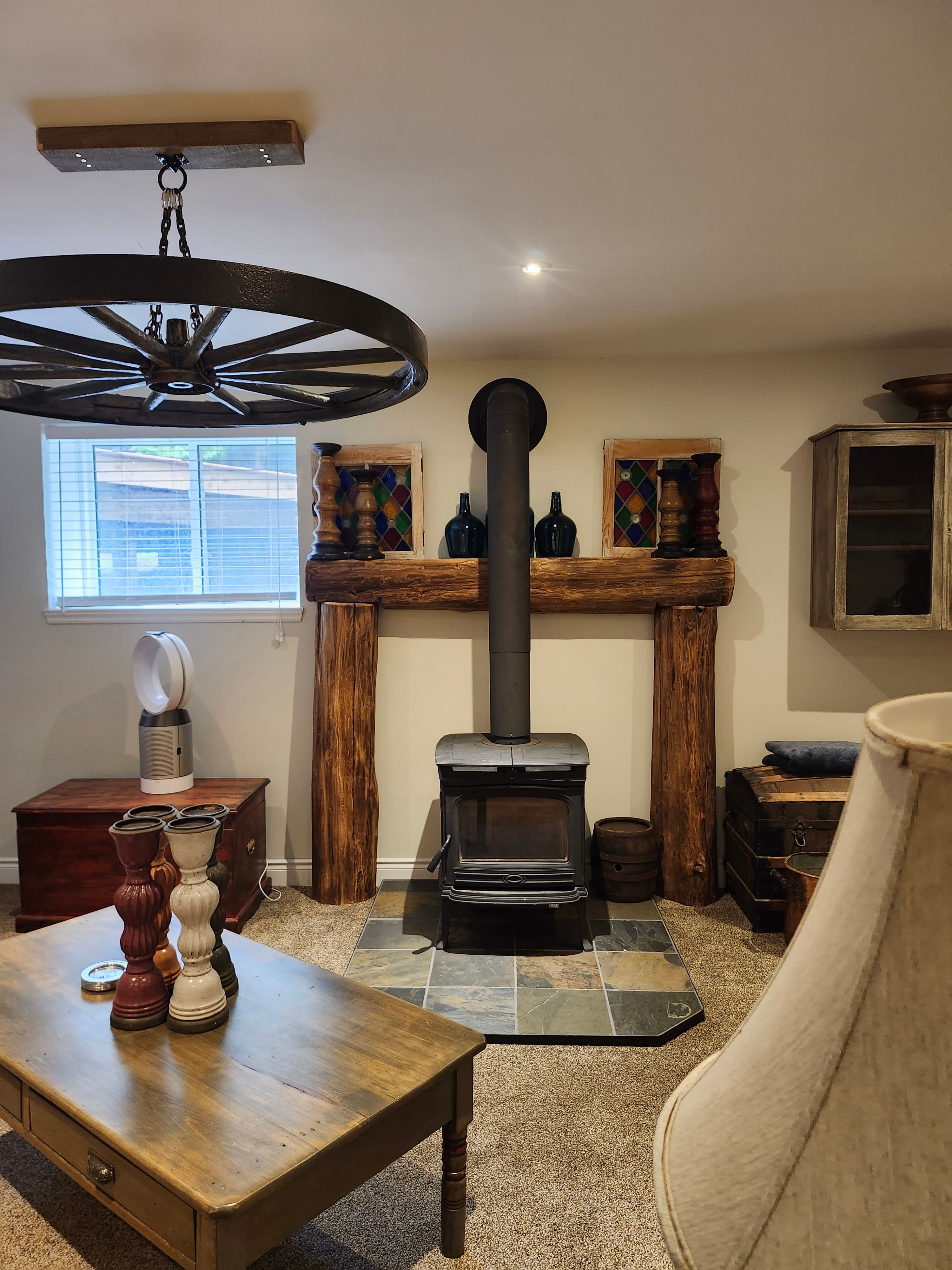

The cottage chimney sweep frequency Ontario homeowners should follow is at least once per year or after burning approximately three cords of wood. Professional inspections are necessary to remove creosote buildup from occasional use and to meet specific insurance requirements for seasonal properties.
Many Ontario cottage owners mistakenly believe that because they only light a few fires each season, their chimney requires very little maintenance. This assumption can be a dangerous oversight. Even if your hearth remains cold for months at a time, local environmental factors, wildlife, and dormant soot continue to impact the structural integrity of your flue. Neglecting a regular service schedule often leads to hazardous blockages or unexpected insurance liabilities that could jeopardize your seasonal retreat. In this guide, Kawartha Heating Solutions explores the specific maintenance needs of occasional-use fireplaces. You will discover the ideal chimney sweep frequency for the Ontario climate, learn the risks of the idle chimney, and understand how WETT inspections protect your property investment. By the end of this article, you will have a clear plan for keeping your cottage safe and efficient all year long.
The Occasional Use Myth: Why Your Cottage Chimney Needs Attention Even if Rarely Lit
Many property owners in the Kawarthas assume that a fireplace used only a handful of times during the summer or for a single Thanksgiving weekend requires less maintenance than a primary home heating system. This is a dangerous misconception. In reality, the occasional use nature of a seasonal retreat often creates a harsher environment for a chimney than the daily operation of a year-round wood stove.
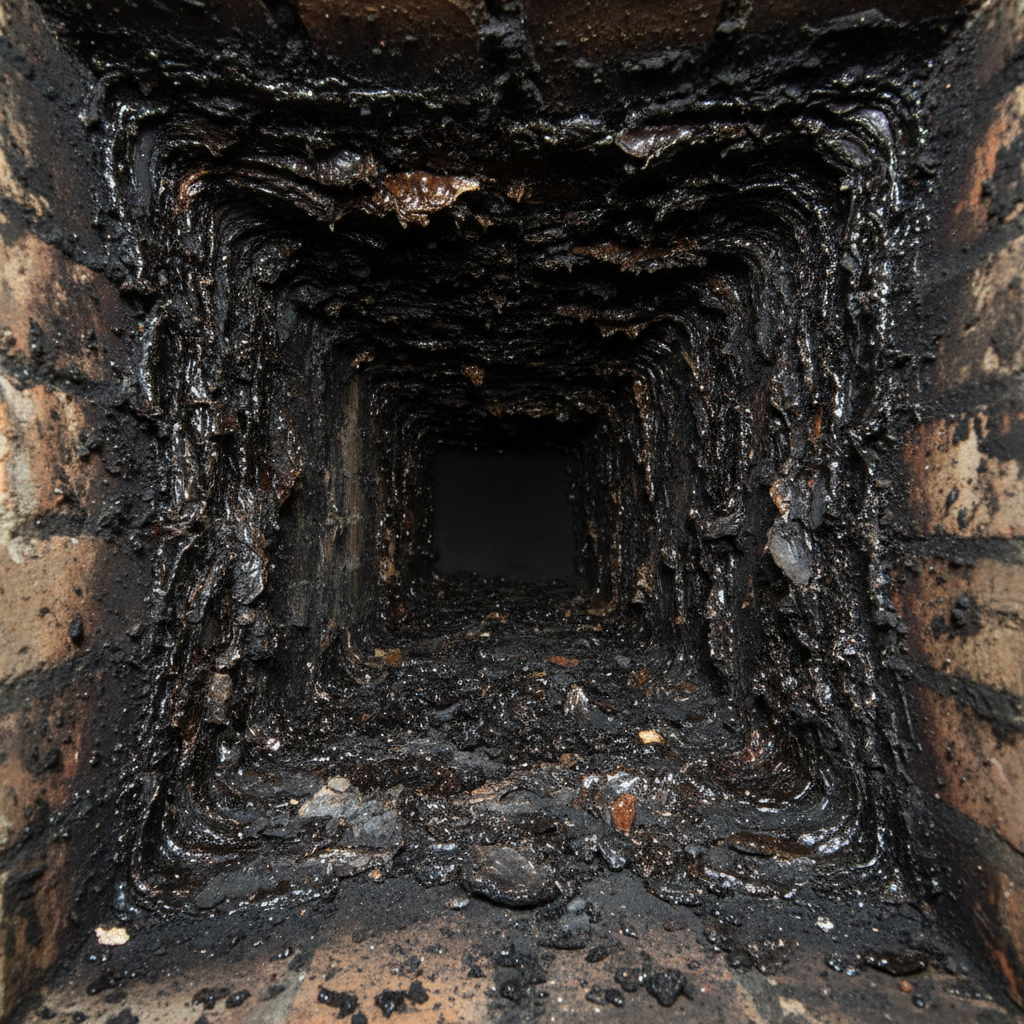
The primary issue is the frequent cold start. Unlike a primary residence where a stove might stay at an optimal operating temperature for weeks, a cottage fireplace is often lit when the masonry or metal flue is stone cold. During these initial stages of combustion, the fire struggles to reach the temperatures required for a clean burn. This leads to heavy smoke and the rapid accumulation of creosote. When you combine this with the high humidity levels found near Ontario’s lakes, the soot inside the flue absorbs moisture. Over time, this mixture can harden into glazed creosote, a glass like, highly flammable substance that is significantly more difficult to remove than standard flaky soot.
While your main home may benefit from consistent heat that keeps the flue dry, your seasonal retreat sits idle, allowing damp air to settle. This moisture doesn't just encourage creosote; it can degrade the structural integrity of older wood fireplace installations if left unmanaged. If you are unsure about the state of your flue, contact our Norwood office to discuss how your specific usage patterns impact your maintenance needs. Understanding the unique environmental factors in our region is the first step in determining the correct cottage chimney sweep frequency Ontario homeowners should follow to ensure safety before that first match is struck.
How Often Should You Sweep? Understanding Cottage Chimney Sweep Frequency in Ontario
Determining the ideal cottage chimney sweep frequency Ontario property owners should maintain often involves balancing usage volume against environmental reality. In high-efficiency home heating, a common industry benchmark is to sweep the flue after burning roughly four bush cords of wood. For the average cottager in the Peterborough and Norwood areas, burning four full cords could take several seasons. Relying solely on wood volume is a mistake, however, because it ignores the structural and environmental degradation that occurs while the property sits empty.
The Ontario Fire Code mandates that every chimney be inspected annually and cleaned if necessary. We recommend following this yearly schedule regardless of how many logs you put on the fire. Local weather patterns play a significant role in this requirement. The Kawartha region experiences substantial temperature swings and high humidity levels due to our proximity to the lakes. These conditions accelerate the transition of soft, flaky soot into dangerous, glazed creosote. If you peek into your flue with a flashlight and see a buildup of 3mm or more, a professional sweep is non negotiable.
Usage Profile | Estimated Wood Volume | Recommended Sweep Frequency |
|---|---|---|
Occasional Weekend Use | < 1 Cord / Year | Annually |
Seasonal Full-Time (Summer) | 1 to 2 Cords / Year | Annually |
Year-Round / Primary Heat | 4+ Cords / Year | Every 4 Cords or Bi-Annually |
A professional visit provides more than just soot removal. It often includes certified WETT inspections that identify cracks in the flue liner or masonry gaps caused by the local freeze thaw cycle. Even if you only used your fireplace for a handful of chilly nights last October, the transition between the damp spring and the humid Ontario summer can compromise the system. Ensuring a clear, safe passage for smoke before each season protects your investment and ensures your retreat remains a place of relaxation rather than a fire hazard.
The Idle Chimney Danger: Pests, Moisture, and Blockages
When a property sits empty during the spring or fall shoulder seasons, the chimney becomes a prime real estate destination for local wildlife. In the Kawartha region, it is common to find squirrels, mice, and various bird species seeking shelter within the protected confines of a flue. These animals often bring in dry nesting materials like twigs, leaves, and grass, which are highly combustible. Without a high quality chimney cap equipped with a protective screen, your flue is essentially an open invitation for pests to move in and create a significant fire hazard.
The danger of these hidden guests becomes apparent during the first fire of the season. A nest acts as a physical plug, preventing the upward draft necessary to vent combustion gases. If you light a fire under a blocked flue, smoke will quickly back up into your living area, causing immediate soot damage to furniture and upholstery. More critically, a blockage can lead to the silent buildup of carbon monoxide, posing a severe health risk to everyone inside the cottage. This is why checking for obstructions is a critical component of determining the right cottage chimney sweep frequency Ontario homeowners should maintain.
Moisture also plays a destructive role during periods of idleness. Humidity from the nearby lake air can combine with existing soot to form a corrosive paste that eats away at metal liners or weakens masonry joints. Regular inspections ensure that any debris or structural degradation is identified before it becomes a safety issue. If you suspect an animal has made a home in your chimney, or if you notice an unusual smell when you open the damper, contact our Norwood office to schedule a professional assessment before your next weekend getaway.
Insurance Requirements and WETT Inspections for Seasonal Properties
Beyond physical blockages and pest control, there is a financial and legal layer to wood burner maintenance that every Ontario property owner must navigate. Insurance companies are increasingly stringent regarding seasonal properties, often requiring a formal WETT (Wood Energy Technology Transfer) inspection every three to five years. It is important to distinguish between a standard sweep and this professional assessment. A sweep focuses on the physical removal of soot and creosote to maintain the cottage chimney sweep frequency Ontario standards suggest for safety. In contrast, a WETT inspection is a comprehensive evaluation of the appliance and chimney's installation and condition, resulting in a signed report that proves to your insurer that the system meets current safety codes.
Failing to provide this documentation can have severe consequences, including the potential for your fire insurance coverage to be voided in the event of an incident. Many insurers now make this a prerequisite for policy renewal or when a property changes hands. At Kawartha Heating Solutions, we provide certified WETT inspections to ensure your woodstove or fireplace is fully compliant with modern standards. Because almost 20 percent of cottage fires in Ontario between 2015 and 2019 involved wood burning systems, these reports are not just bureaucratic hurdles; they are vital safety checks.
Service Type | Primary Purpose | Frequency Recommendation |
|---|---|---|
Chimney Sweep | Cleaning and soot removal | Annually for seasonal use |
WETT Inspection | Insurance compliance and safety audit | Every 3 to 5 years or per policy |
Basic Maintenance | Minor repairs and cap checks | Seasonal (Spring/Fall) |
If you are unsure when your last official report was filed or if your insurer has requested an update, contact our Norwood office to book a site visit. This formal verification, paired with regular cleaning, keeps your coverage intact and your retreat protected throughout the burning season.
Spring vs Fall: When is the Best Time for a Cottage Chimney Sweep?
While insurance requirements provide a legal framework for maintenance, the calendar date you choose for service impacts the physical longevity of your equipment. Many cottagers wait until the first frosty night in October to think about their flue. However, scheduling a professional sweep in the late spring or early summer is often the superior choice for properties in the Peterborough and Norwood areas. Cleaning the system shortly after you close up for the winter or during the initial spring opening removes acidic soot before it can cause damage. When the high humidity of an Ontario summer hits, moisture reacts with leftover soot to create a corrosive environment that can prematurely age metal liners or degrade masonry joints.
Booking during the warmer months also helps you avoid the inevitable fall rush that occurs every September across the Kawarthas. A spring or early summer service ensures that any issues identified during certified WETT inspections can be repaired without the pressure of an approaching cold snap. If you prefer a fall sweep, the primary benefit is the absolute certainty that the system is entirely clear of debris or obstructions just before the first fire. To maintain a safe cottage chimney sweep frequency Ontario homeowners should ideally integrate this task into their spring maintenance checklist. If your flue is due for its annual check, contact our Norwood office to secure a preferred date before the autumn schedule fills up.
Signs Your Seasonal Fireplace is Overdue for a Clean
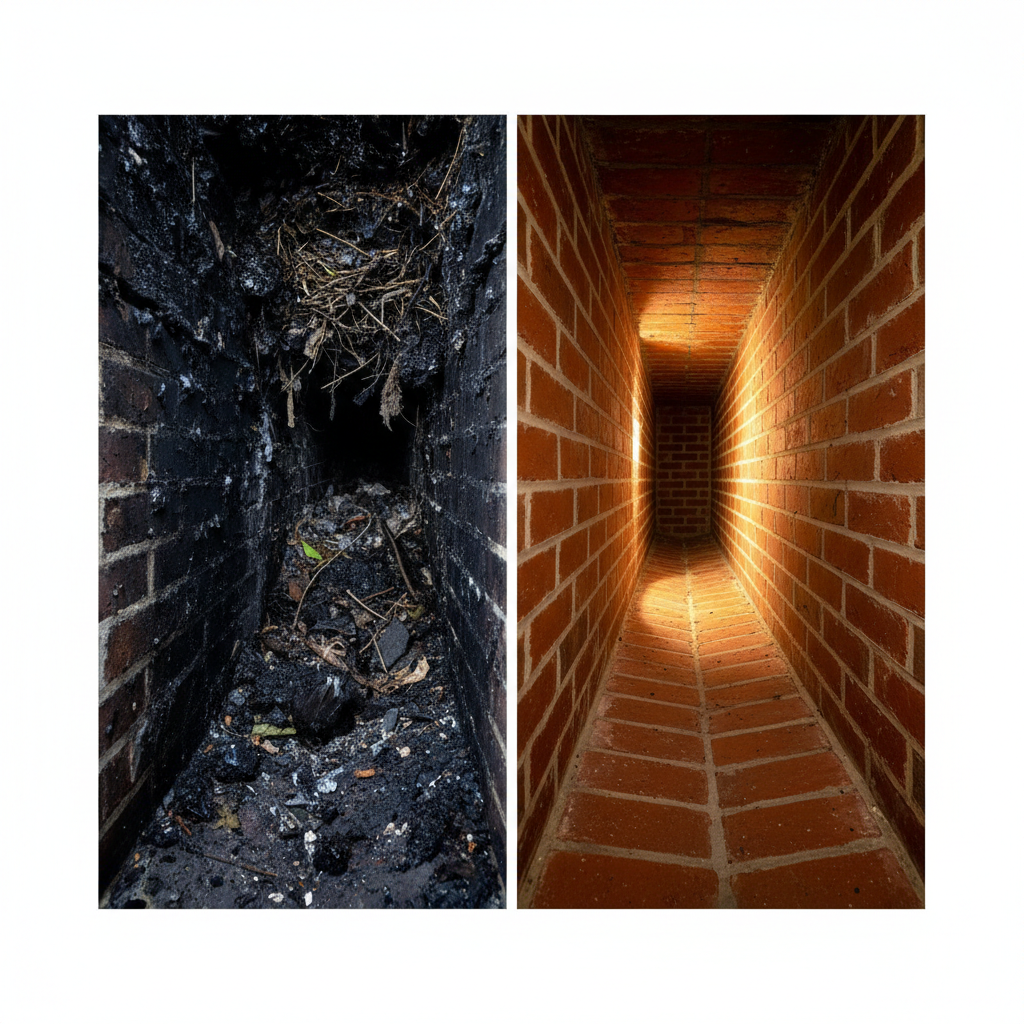
Recognizing the warning signs of a neglected flue is vital for fire prevention. Even if you maintain the recommended cottage chimney sweep frequency Ontario standards suggest, environmental shifts or a particularly damp season can accelerate buildup. One of the most common indicators is a distinct, lingering campfire smell emanating from the firebox when it is not in use. This odor is caused by creosote deposits reacting with humid air, a frequent occurrence in the Kawartha Lakes region.
Another clear sign is snowing soot. If you notice black flakes or granules on the hearth or the floor of the firebox, the internal walls of the flue are likely heavily coated. During operation, pay attention to the smoke and drafting. Thick, black smoke exiting the chimney or a sluggish draft that makes starting a fire difficult suggests a restricted airway or a dangerous level of accumulation.
For a more objective measure, perform a visual check using the 3mm rule. If you can safely access your roof, remove the cap and shine a powerful flashlight down the flue. If the layer of creosote is 3mm or thicker, roughly the width of two pennies, the system is overdue for professional attention.
Warning Sign | Probable Cause | Recommended Action |
|---|---|---|
Campfire smell (cold) | Creosote reacting with humidity | Schedule professional sweep |
Flakes on hearth | Heavy soot accumulation | Avoid use until cleaned |
Sluggish drafting | Obstruction or thick buildup | Immediate inspection |
Thick black smoke | Restricted flue or poor combustion | Professional assessment |
If you observe any of these symptoms, contact our Norwood office to schedule a service call. Addressing these issues early prevents small problems from becoming significant hazards, especially considering that nearly 20 percent of cottage fires in the province involve wood burning systems. For comprehensive peace of mind, we also offer certified WETT inspections to verify the long term safety of your installation.
Keeping your Ontario cottage safe starts with understanding that even occasional use leads to creosote buildup or unwelcome pests. While you can monitor your fireplace, a yearly check ensures your seasonal getaway remains a worry-free retreat for your family. If you would prefer to have a professional handle the inspection and cleaning, our comprehensive services are designed to provide that essential peace of mind. We can help you maintain your chimney so you can focus on enjoying those cozy nights by the fire.