WETT inspection Ontario requirements mandate that wood-burning appliances be evaluated by certified professionals to ensure compliance with Ontario Building Codes and CSA B365 safety standards. Most insurance providers require proof of this inspection for coverage, and it is also essential during real estate transactions to confirm the system is safe to operate.
Navigating the nuances of wood-burning appliance safety often feels like a daunting task for Ontario homeowners, especially when insurance providers begin asking for certifications you might not have. In the Kawarthas, where we rely heavily on wood heat to get through the long winter months, ensuring your fireplace or wood stove meets current standards is not just about ticking a box; it is about protecting your family and your investment. A Wood Energy Technology Transfer, or WETT, inspection provides the professional assurance required to verify your system is installed safely and functions correctly. This guide outlines the specific WETT inspection Ontario requirements you must know. We will examine when these inspections become mandatory, the financial risks of bypassing the process, and what our certified inspectors look for during a site visit to ensure your home remains both warm and compliant.
What is a WETT Inspection and Why Does It Matter in Ontario?
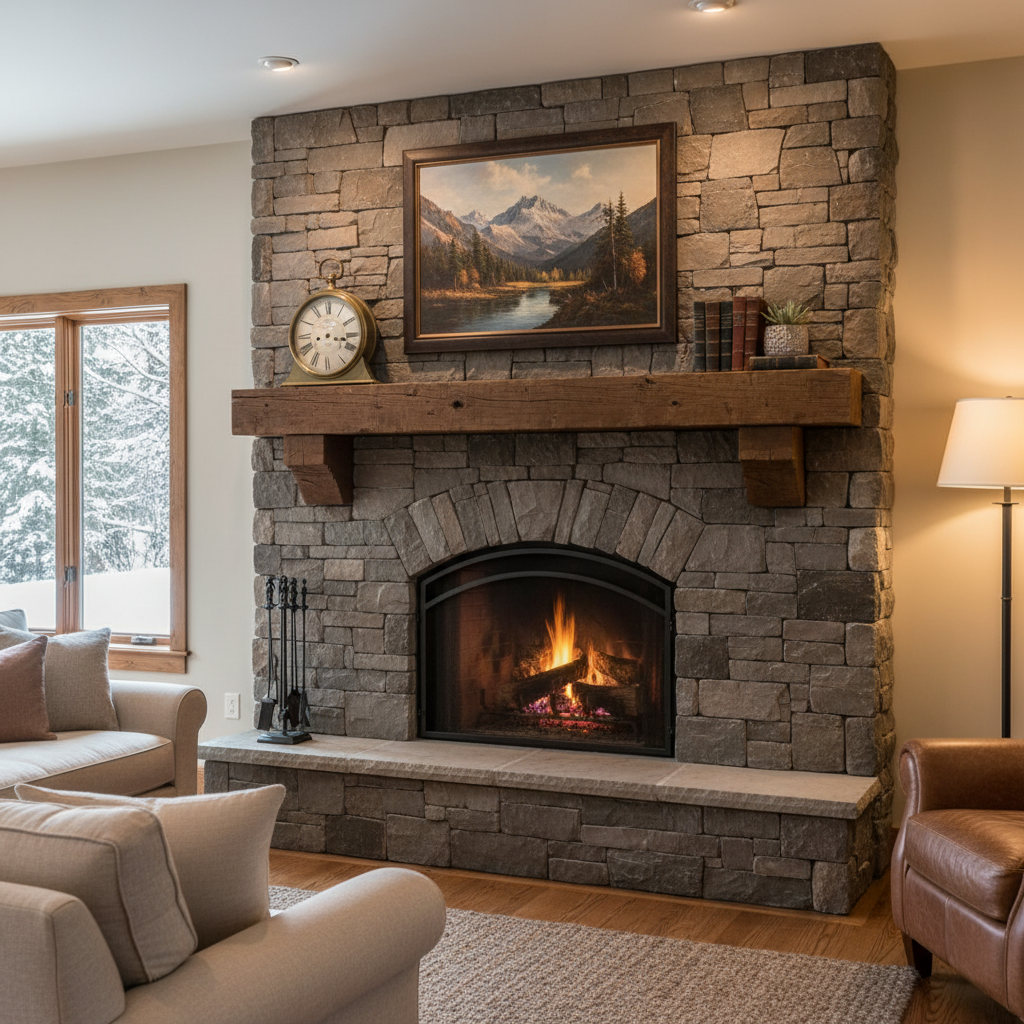
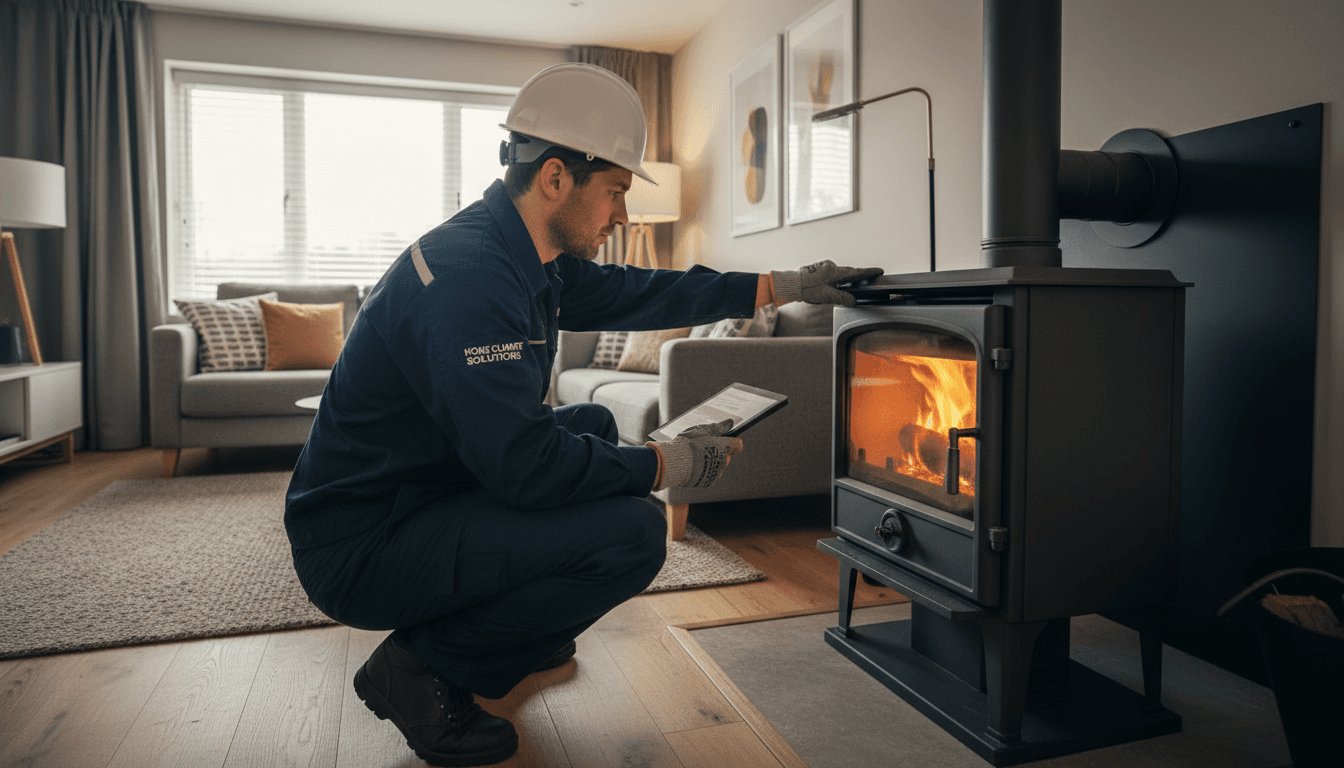
Wood Energy Technology Transfer (WETT) is a national non-profit organization that trains and educates professionals on the safe installation and maintenance of wood-burning systems. A WETT inspection is a comprehensive evaluation of your stove, fireplace, or furnace by a qualified technician. While many homeowners ask for a WETT certification, it is important to clarify that the appliance itself is not what gets certified during the visit. Instead, a certified professional provides a compliance report. This document confirms that your system meets specific safety standards, including the manufacturer’s instructions and the CSA B365 code.
In the Kawarthas, meeting WETT inspection Ontario requirements often involves navigating unique regional challenges. Rural Norwood farmhouses and seasonal cottages along the lakes require a different level of expertise than standard suburban homes in larger cities. We understand the nuances of off-grid heating and the specific wear patterns seen in primary wood-heat systems. Our team provides certified WETT inspections tailored to the local landscape, ensuring that your wood fireplace installation is not only safe but also fully compliant for insurance purposes. If you have questions about a specific unit, you can contact our Norwood office to speak with an expert who understands the local building code and regional installation hurdles.
Is a WETT Inspection Mandatory Under Ontario Law?
Many homeowners in the Kawarthas ask if they are legally required to book an inspection. Technically, there is no provincial statute that mandates a recurring WETT inspection for every residential wood stove or fireplace. However, calling it optional is misleading. In practice, WETT inspections are a de facto requirement driven by two powerful forces: the Ontario Building Code and the insurance industry.
The Ontario Building Code incorporates the CSA B365 standard, which outlines the rigorous installation requirements for solid fuel burning equipment. While the government may not come to your door to check your flue, any new wood fireplace installation or major renovation must adhere to these codes. To prove compliance, local building officials or insurance underwriters will almost always demand a report from a certified professional. This ensures that the installation meets the minimum safety clearances and venting specifications required by the province.
For most residents in Norwood and the surrounding cottage country, the mandate comes directly from their insurance provider. Insurers view wood heat as a high risk category. Most companies will refuse to issue or renew a policy unless you provide a recent report confirming that your system meets current safety standards. Since home insurance is a prerequisite for most mortgages, skipping this step is rarely an option. If you are navigating these WETT inspection Ontario requirements for a new property or a policy renewal, you can contact our Norwood office to ensure your system is properly documented and compliant with current CSA standards. This distinction between a legal mandate and a functional necessity is vital for understanding why these inspections are non-negotiable for rural and seasonal properties.
Five Critical Times You Need a WETT Inspection in the Kawarthas
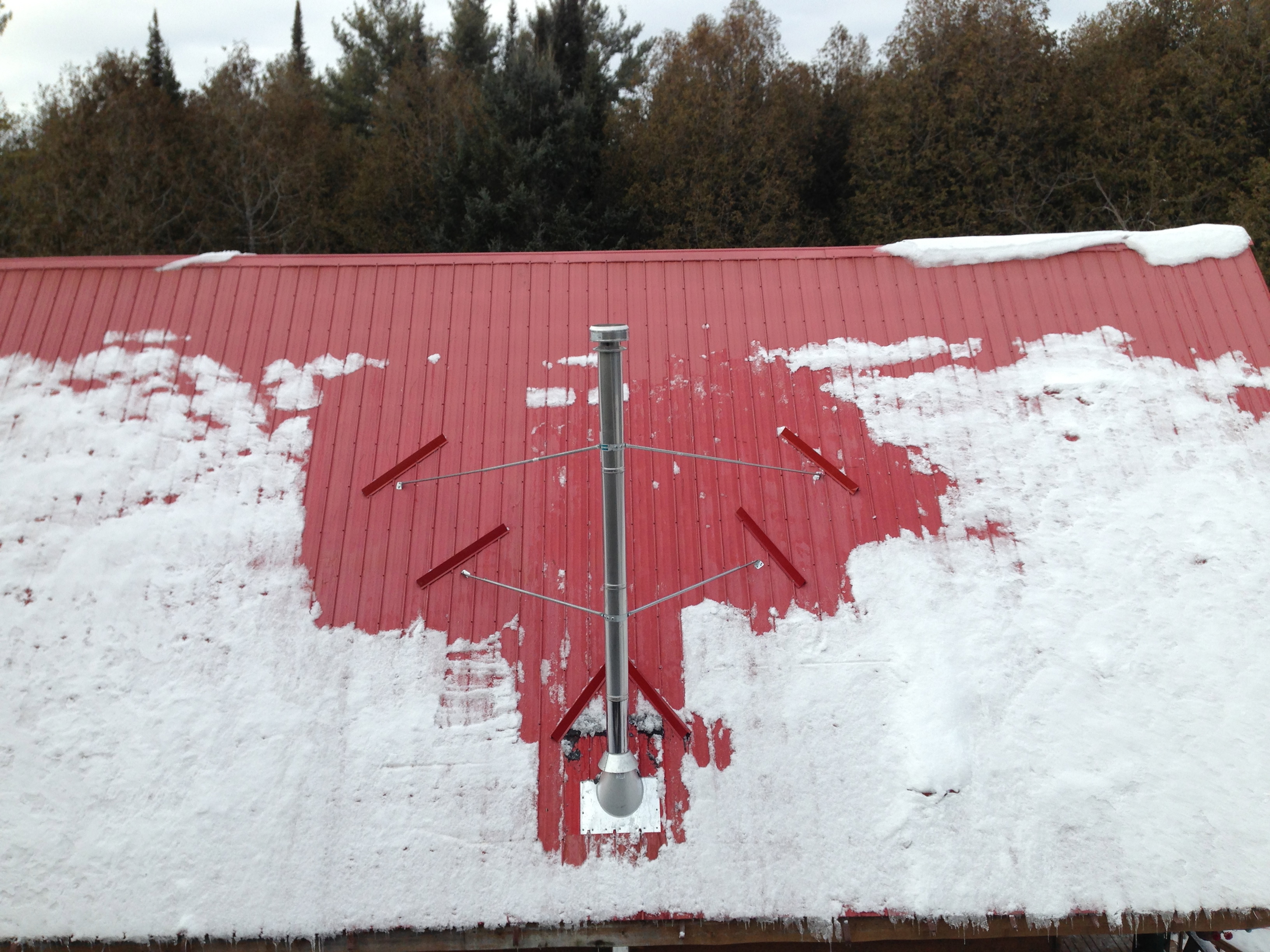
While the local building code and insurance policies create a constant need for compliance, specific milestones in property ownership trigger the immediate necessity for a professional review. In the Kawarthas, these triggers often coincide with the unique nature of rural and waterfront living.
Real Estate Transactions: When purchasing a home or cottage in the Kawartha Lakes region, a standard home inspection rarely covers the technical depth required for wood-burning systems. If you are buying a seasonal property where wood is the primary or secondary heat source, your lender or insurer will likely demand a report before closing. Sellers often choose to provide certified WETT inspections upfront to prevent last-minute deal complications or price negotiations.
Insurance Policy Changes: Insurance companies frequently update their risk assessments. You may find that renewing your policy or switching providers after several years triggers a request for an updated inspection. Even if the appliance has functioned perfectly for a decade, insurers need to verify that it still meets current safety standards and has not suffered structural degradation or rust.
New Wood Fireplace Installation: Any time a new appliance is introduced to the home, a professional inspection is required to verify the wood fireplace installation was completed according to the manufacturer's certified instructions and provincial codes. This includes the installation of new fireplace inserts or wood-burning furnaces in existing homes.
System Modifications: Making changes to an existing setup, such as installing a new stainless steel chimney liner, replacing a hearth pad, or altering the venting configuration, necessitates a fresh look. These modifications can change the clearance requirements or the draft efficiency of the system, requiring updated documentation.
Visible Damage or Performance Issues: Heavy use during Norwood winters can take a toll on masonry and metal components. If you notice cracks in the exterior chimney, smoke spillage into the room when you open the door, or significant creosote buildup, the system is no longer operating safely. Meeting WETT inspection Ontario requirements at this stage is about more than paperwork; it is a critical safety check to prevent a chimney fire. If you notice these warning signs, you should contact our Norwood office to schedule a technical evaluation before your next fire.
The Consequences: What Happens if You Skip a WETT Inspection?
Choosing to bypass a professional review of your wood burning system can lead to severe financial and legal repercussions. The most immediate risk involves your insurance coverage. Most homeowners policies in Ontario contain clauses requiring all heating systems to be safe and code-compliant. If a chimney fire occurs and you cannot produce a recent compliance report, the insurer may investigate the installation's integrity. Should they discover that the system failed to meet WETT inspection Ontario requirements, they have grounds to deny the claim entirely, leaving you responsible for the total cost of property replacement and debris removal.
Beyond individual property loss, liability becomes a significant concern for those living in denser areas of Norwood or near neighboring cottages. If a fire originates from an uncertified stove and spreads to a neighboring structure, you could be held personally liable for the damages. This legal exposure is often overlooked until a disaster occurs. If you have recently completed a wood fireplace installation without a final inspection, the risks are even higher as you have no documented proof that the work was performed to code.
In the real estate market, skipping this step often backfires during the closing phase. If you list a home without having certified WETT inspections performed, the buyer’s home inspector will likely flag the wood stove as a high risk item. This usually leads to a last minute demand for a price reduction or a requirement that the seller repairs the system before the sale proceeds. In some cases, the buyer’s lender may refuse to release funds until a passing report is provided, causing the entire deal to collapse.
The physical dangers are equally grave. An uninspected flue may hide internal cracks or creosote buildup that leads to a chimney fire. Similarly, improper venting can cause carbon monoxide to back draft into the living space. For those relying on wood as a primary heat source during a cold Norwood winter, these technical failures are not just inconveniences; they are life-threatening hazards. To avoid these outcomes, you should contact our Norwood office before the heating season begins to verify your system's safety.
WETT Inspection Ontario Requirements Checklist: What the Inspector Checks
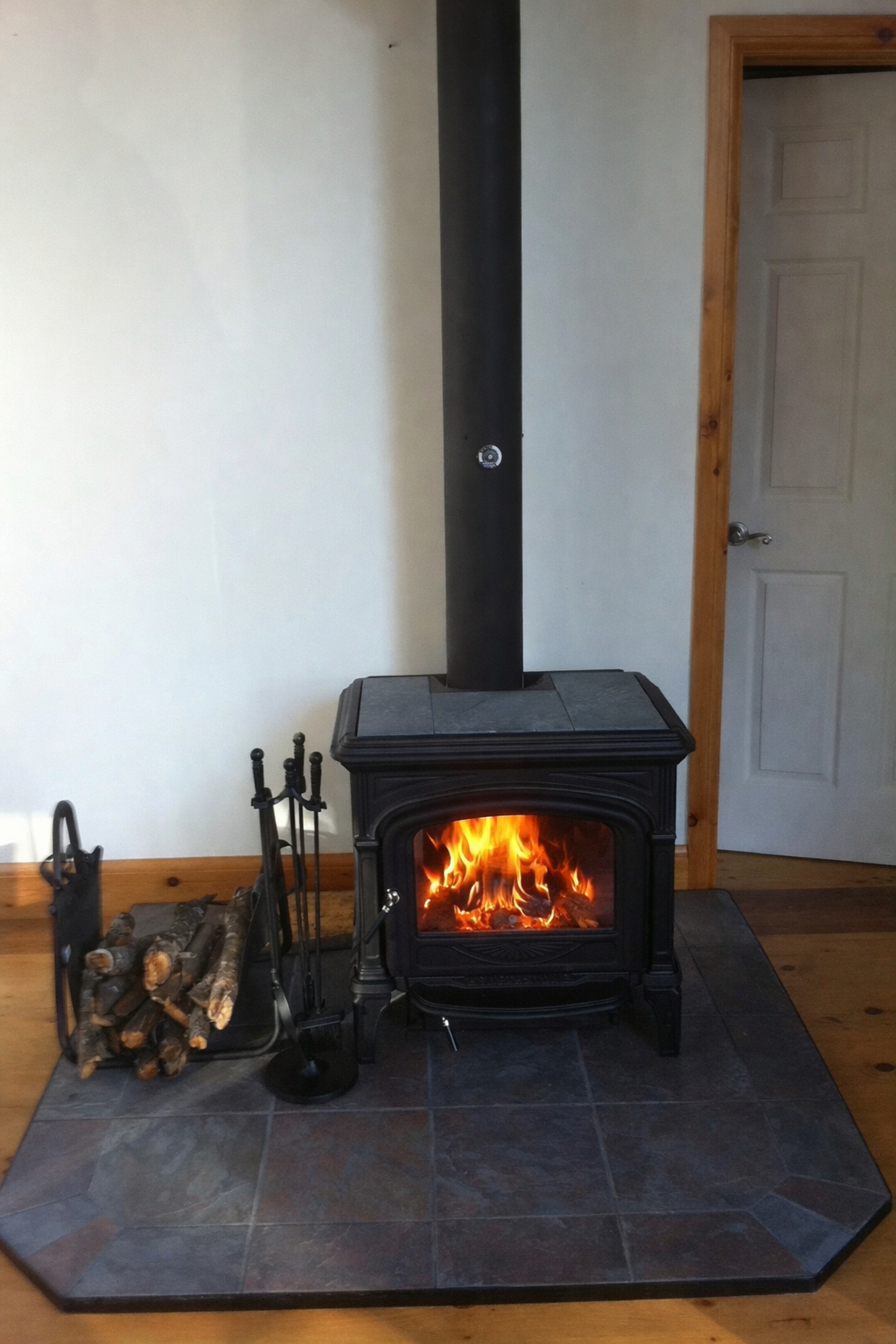
A thorough evaluation involves more than a quick look at the firebox; it is a systematic review of how the appliance interacts with the structure of your home. When meeting WETT inspection Ontario requirements, we use a comprehensive checklist to ensure every component adheres to the CSA B365 standard and the manufacturer's certified instructions.
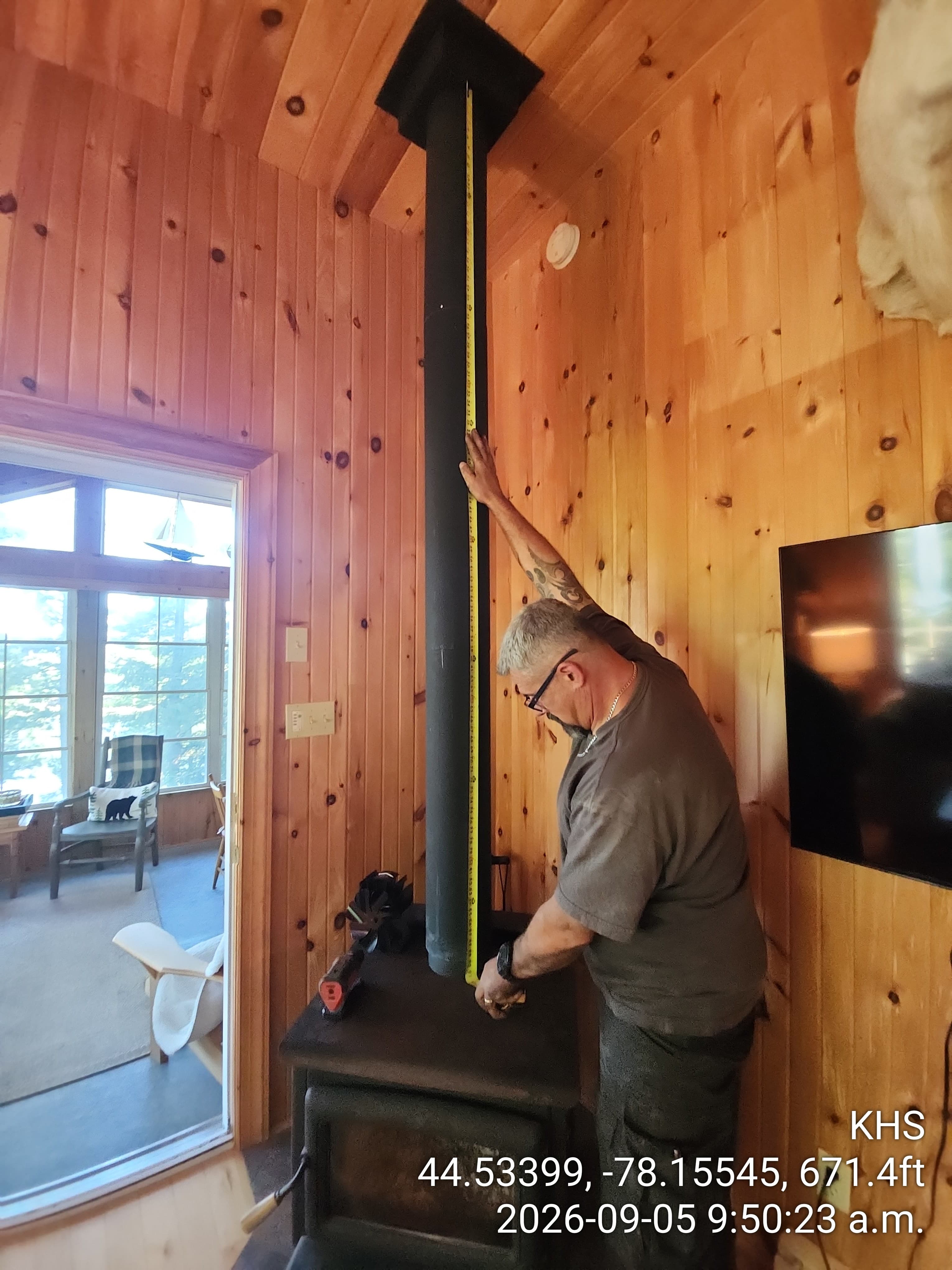
The most frequent point of failure in our region, particularly in historic Norwood farmhouses, is the clearance to combustibles. In these older homes, stoves were often installed long before modern safety codes existed. We measure the distance from the stove and the chimney pipe to nearby wood walls, trim, and even furniture. If these distances are insufficient, the risk of structural ignition increases significantly. Often, a heat shield can be installed to rectify these issues, but the initial measurement remains the most critical part of the process.
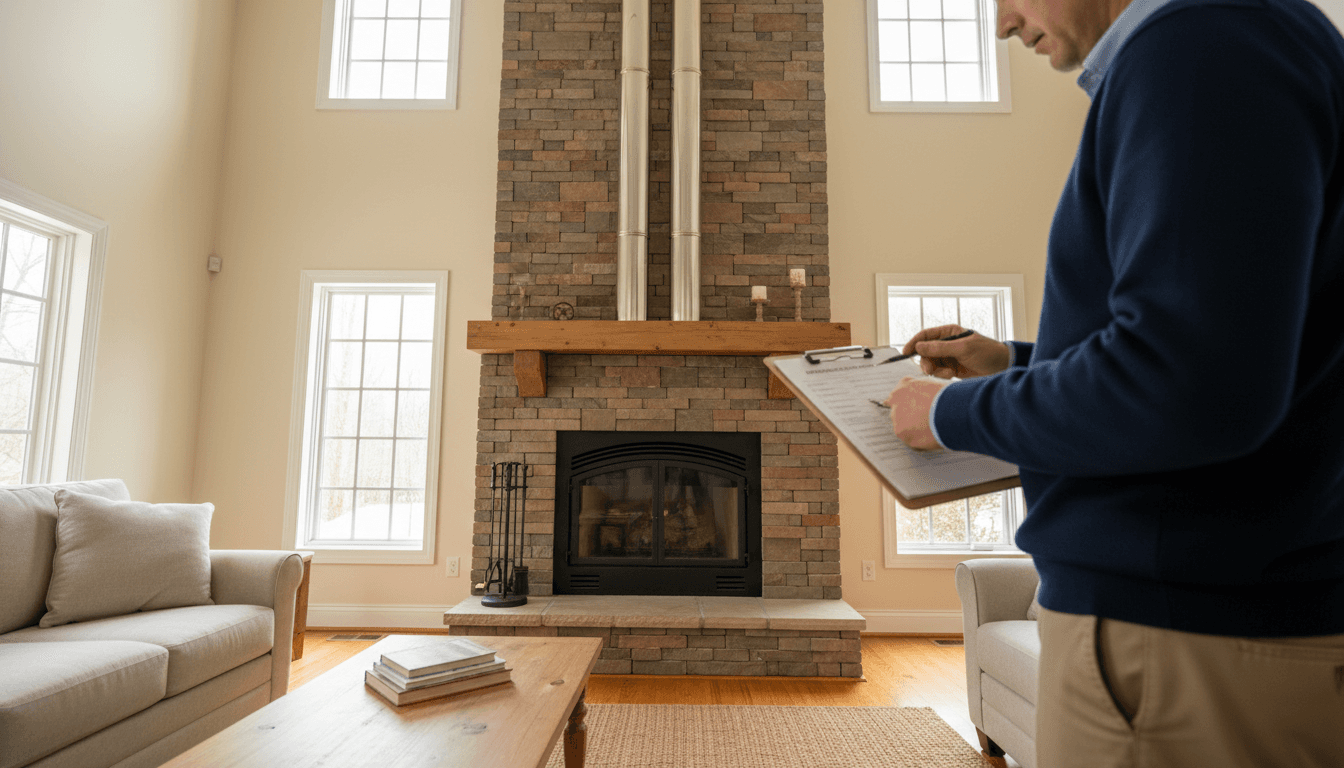
During certified WETT inspections, we also verify the following critical safety elements: - Floor Protection: The hearth must be constructed of non-combustible material and extend the required distance, typically 18 inches in front of the loading door, to protect against falling embers. - Chimney Liner Integrity: We inspect for cracks in masonry tiles or signs of corrosion in stainless steel liners. A compromised liner can allow heat or toxic gases to seep into the home's framing. - Venting and Connection: The stovepipe must be securely fastened with three screws per joint and maintain a proper upward slope to ensure efficient drafting. - Chimney Cap and Spark Arrestor: We check for a proper cap to prevent moisture entry and a mesh screen to stop sparks from escaping onto the roof.
If you are planning a new wood fireplace installation or need to verify an existing setup, you can contact our Norwood office for a detailed assessment that identifies these common pitfalls before they become liabilities.
Understanding the Three Levels of WETT Inspections
To meet WETT inspection Ontario requirements, we classify our assessments into three distinct levels based on the depth of the investigation. Understanding these categories helps you prepare for the site visit and ensures you only pay for the service level your situation demands.
Level 1 (Visual): This is the standard requirement for real estate transactions and insurance renewals. It involves a thorough check of the appliance and chimney parts that are readily accessible without the use of tools or ladders. We evaluate the general condition, clearances, and overall safety.
Level 2 (Technical/Access): This level includes everything in a Level 1 assessment plus access to attics, crawlspaces, or roofs. We may use specialized video cameras to inspect the interior flue. It is typically required after a chimney fire or during a major wood fireplace installation.
Level 3 (Invasive): Reserved for investigating severe structural issues, this level involves opening walls or dismantling components to find hidden damage.
Most residents seeking certified WETT inspections for a home sale or a standard insurance update only require a Level 1 report. This level is cost-effective and sufficient for documenting compliance. If you are unsure which level your insurer requires, contact our Norwood office to discuss your specific wood burning system and schedule the appropriate service.
How Much Does a WETT Inspection Cost in Ontario?
The cost of a professional evaluation varies based on the complexity of your wood-burning system. In Ontario, you can expect to pay between $150 and $400 for a standard report. While a single wood stove in a central Norwood home typically sits at the lower end of that range, several factors can increase the final price. If your property features multiple appliances, such as a fireplace insert and a wood-burning furnace, the inspector must evaluate and document each unit separately.
Accessibility also plays a major role in pricing. Inspections for seasonal cottages in remote areas of the Kawartha Lakes often incur travel fees due to the distance from our primary service hub. Furthermore, chimneys that are difficult to reach or require specialized ladders for exterior viewing add to the technical time required. To meet WETT inspection Ontario requirements efficiently, we recommend bundling this service with your annual maintenance. Scheduling a chimney sweep alongside certified WETT inspections is the most cost-effective way to ensure your wood fireplace installation remains safe and insurance-compliant for the coming season. For a specific quote based on your location and appliance type, contact our Norwood office directly.
Ensuring your wood-burning system meets Ontario standards is a vital step for both your home insurance and your family's safety. While the requirements might seem complex, prioritizing a WETT inspection protects your property from avoidable risks and ensures efficient operation. If you want expert help navigating these regulations or need a certified professional to evaluate your setup, we are ready to assist. You can learn more about our team to see how we help homeowners stay warm and secure. We focus on providing the peace of mind you deserve.