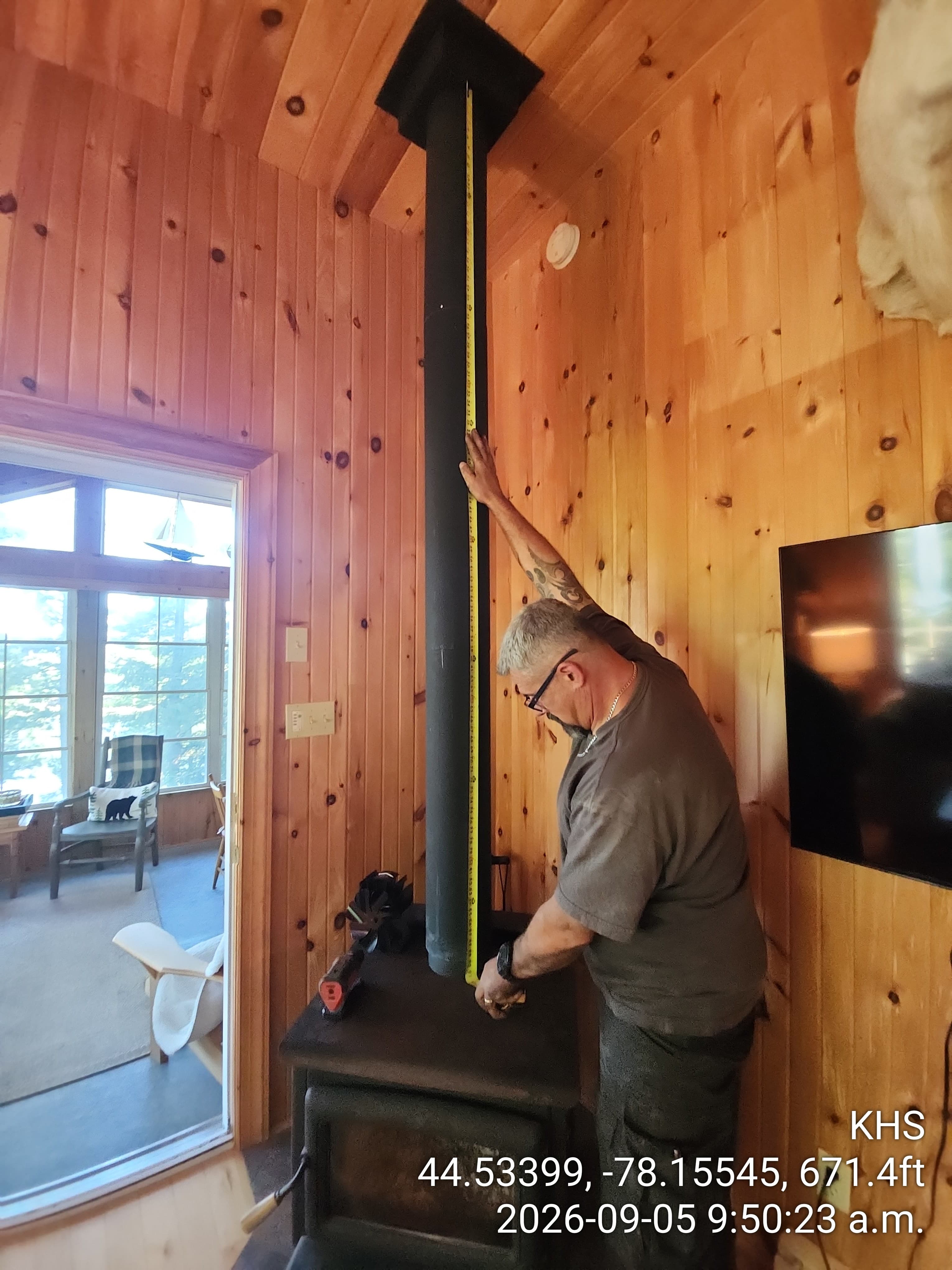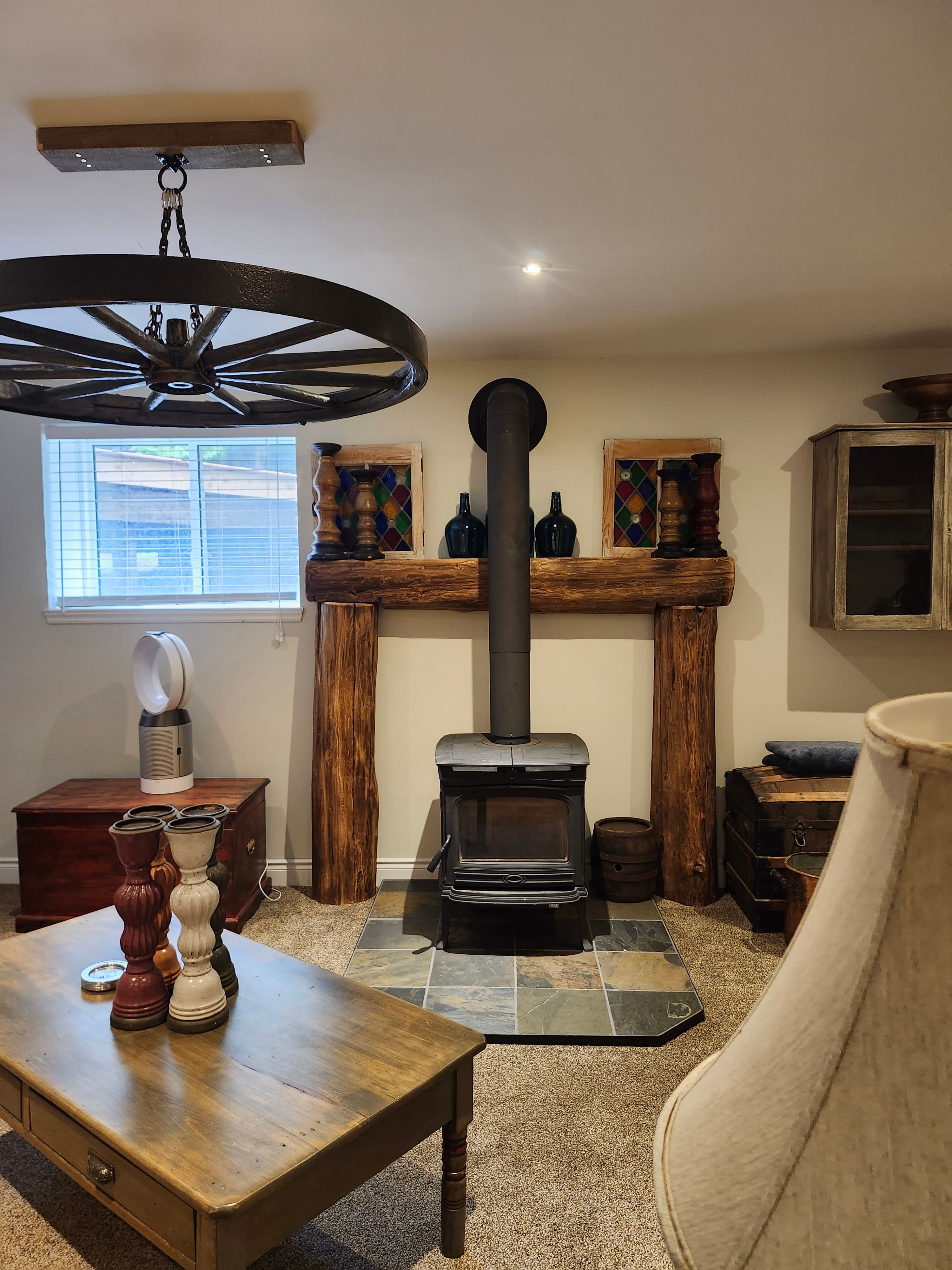

Property owners should prioritize scheduling a WETT certified Chimney sweep to remove creosote and debris that accumulated during the winter months. Essential steps include inspecting the liner for cracks, securing the chimney cap, and clearing any nearby tree branches. Booking a professional cottage chimney sweep Kawartha specialist ensures your wood burning system remains safe, efficient, and compliant with insurance standards.
Opening up your cottage for the season should be about lakeside relaxation, not the lingering smell of stale soot or the discovery of a chimney blockage. After months of heavy winter use and exposure to harsh lakefront elements, your fireplace system often hides silent risks like creosote buildup or structural masonry damage. Neglecting these issues does more than affect your evening fire; it compromises your family’s safety and may even jeopardize your seasonal insurance coverage. In this guide, we provide a comprehensive spring checklist designed specifically for regional property owners. You will learn how to identify exterior wear on the stack, manage common nesting wildlife, and understand why a professional WETT inspection remains a critical requirement for Ontario cottages. By following these practical steps, you can ensure your venting system operates efficiently and safely all summer long.
The Importance of a Spring Chimney Inspection for Kawartha Cottages
As the ice recedes from Stoney Lake and Rice Lake, property owners across the Kawarthas are preparing for the annual tradition of opening the cottage. While turning on the water and checking the dock are high priorities, the fireplace often becomes the focal point of that first chilly spring evening. However, lighting that inaugural fire without a proper assessment is a significant safety risk.
The winter months in Norwood and the surrounding lake regions are harsh on masonry and venting systems. Unlike a fall cleaning, which primarily addresses creosote from the previous season, a spring inspection identifies physical damage caused by the freeze thaw cycle. Heavy snow loads, ice damming at the flashing, and high winds can shift chimney components or compromise the flue liner. A compromised liner can allow heat and toxic gases to escape into the cottage structure, making that first fire potentially devastating.
A professional cottage chimney sweep Kawartha specialist looks for more than just soot. We examine the system for obstructions that have accumulated since the cottage was winterized. Between winter debris and active spring wildlife seeking shelter, a chimney can become completely blocked in just a few months. Ensuring your system is clear is a critical part of chimney and heating maintenance before the season begins.
Beyond immediate safety, many seasonal properties require certified WETT inspections to maintain insurance coverage. Catching structural issues early in the spring prevents small cracks from becoming expensive repairs during the peak summer months. It ensures that when you strike that first match, your fireplace operates with the efficiency and safety you expect.
Exterior Checklist: Inspecting the Chimney Stack and Cap
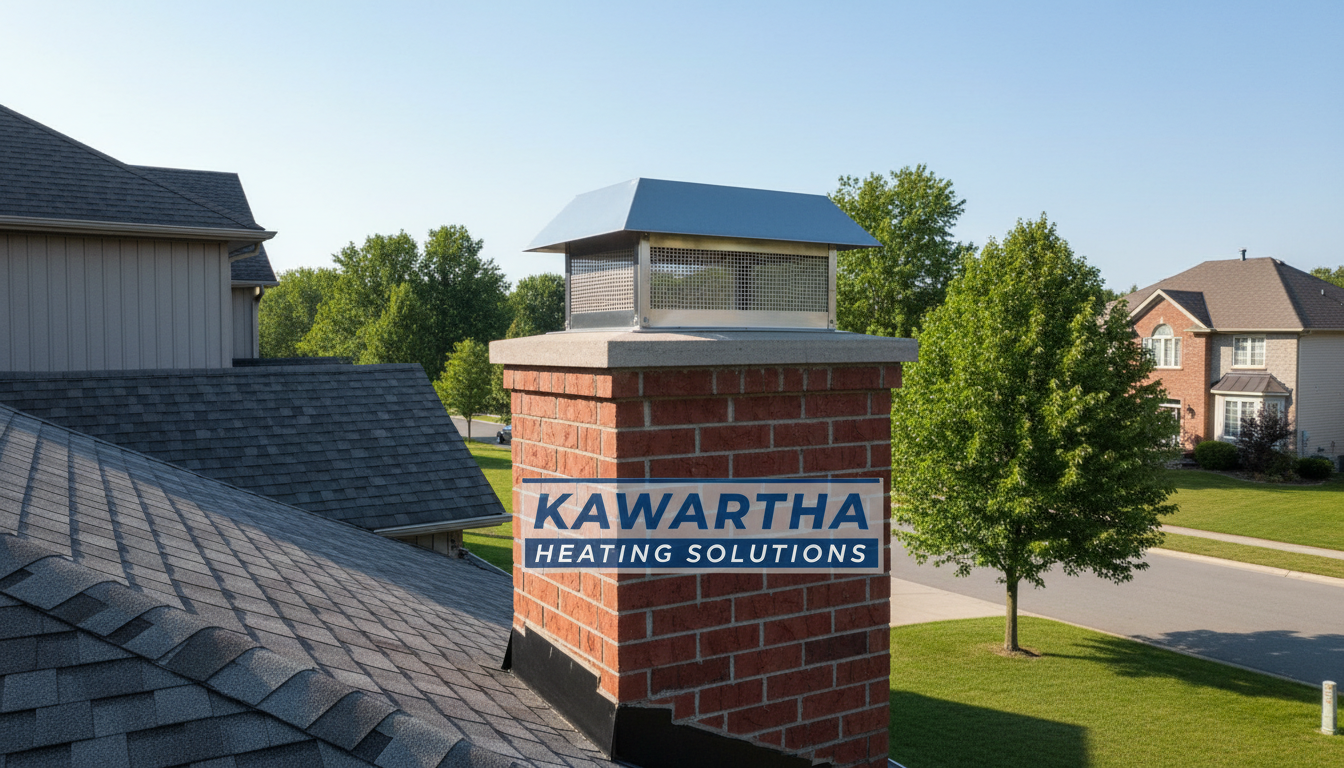
Before you even step inside, conduct a thorough visual assessment of the exterior chimney structure. Start from the ground with a pair of binoculars or, if safe, use a ladder to get a closer look at the masonry. The Ontario freeze thaw cycle is particularly aggressive in the Kawarthas, often leading to a condition known as spalling. This happens when moisture penetrates the brick and freezes, causing the surface to crack, flake, or peel away. If you notice piles of red dust or brick fragments at the base of the chimney, the structural integrity of the stack is already being compromised.
Look for any signs of a leaning chimney stack, as this suggests issues with the chimney's foundation or the mortar joints between the bricks. While examining the top of the flue, verify that the chimney cap is present and undamaged. Caps are your primary defense against rain and debris; without one, water can pour directly into the liner. Many of the modern wood fireplace installations we see in Norwood utilize ICC EXCEL chimney systems. These stainless steel systems are engineered to withstand the extreme temperature shifts of our climate, but even high quality components should be checked for loose storm collars or shifted rain caps after a heavy snow season.
Finally, inspect the flashing where the chimney meets the roofline. Winter ice often expands in these gaps, pulling the metal away from the roof and creating a direct path for water. This moisture does not just damage the chimney; it frequently leads to rotted roof decks and interior ceiling stains. A professional cottage chimney sweep Kawartha service includes an evaluation of these exterior components because a chimney is only as safe as its weakest external point. Addressing these gaps now ensures your chimney and heating maintenance plan is proactive rather than reactive. Catching a loose flashing or a missing cap early can save you from the secondary costs of structural water damage, allowing you to focus on the interior assessment and potential certified WETT inspections required for your property.
The Wildlife Factor: Dealing with Spring Nesting in the Kawarthas
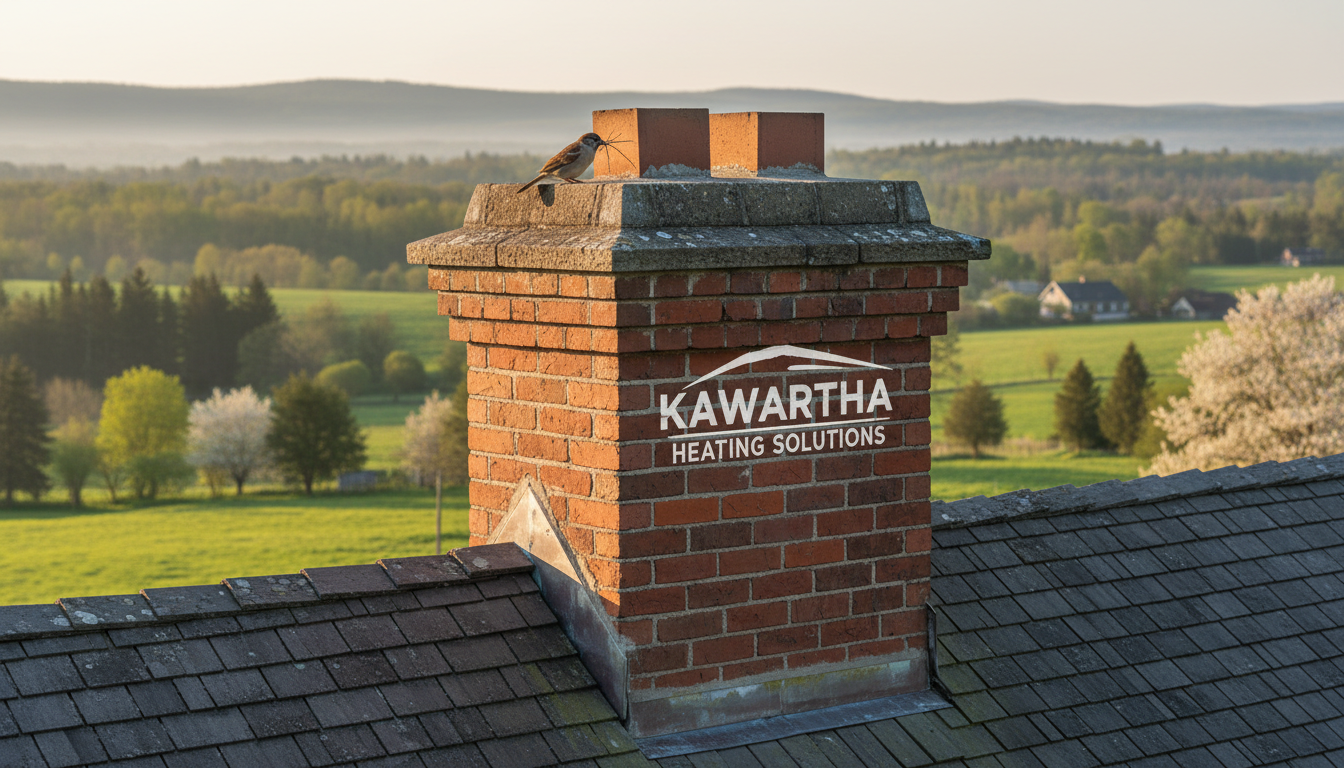
While you were away from the lake, your chimney likely caught the eye of local wildlife. An unused flue is an ideal, predator proof sanctuary for raccoons, squirrels, and birds. In the Kawarthas, Chimney Swifts are a particular concern. These small, migratory birds are a protected species in Ontario, and their nests are glued to the interior walls of the masonry or liner with specialized saliva.
The presence of wildlife creates two primary dangers. First, the nesting materials, which consist of twigs, dried grass, and leaves, are highly flammable. Lighting a fire under a blocked flue often results in a chimney fire or smoke backing up into the living room. Second, animal waste poses serious health risks. Accumulations of droppings can harbor parasites and fungal spores that compromise the air quality inside your seasonal home.
Removing these obstructions requires a delicate touch. A professional cottage chimney sweep Kawartha technician uses specialized brushes and high powered vacuums to clear debris without puncturing or scratching the flue liner. Attempting to clear a blockage with a makeshift tool can lead to costly structural damage that might only be uncovered during certified WETT inspections. Proper chimney and heating maintenance ensures your chimney is a vent for smoke, not a nursery for wildlife, allowing for a safe start to your spring season.
Interior Checklist: Damper Function and Creosote Levels
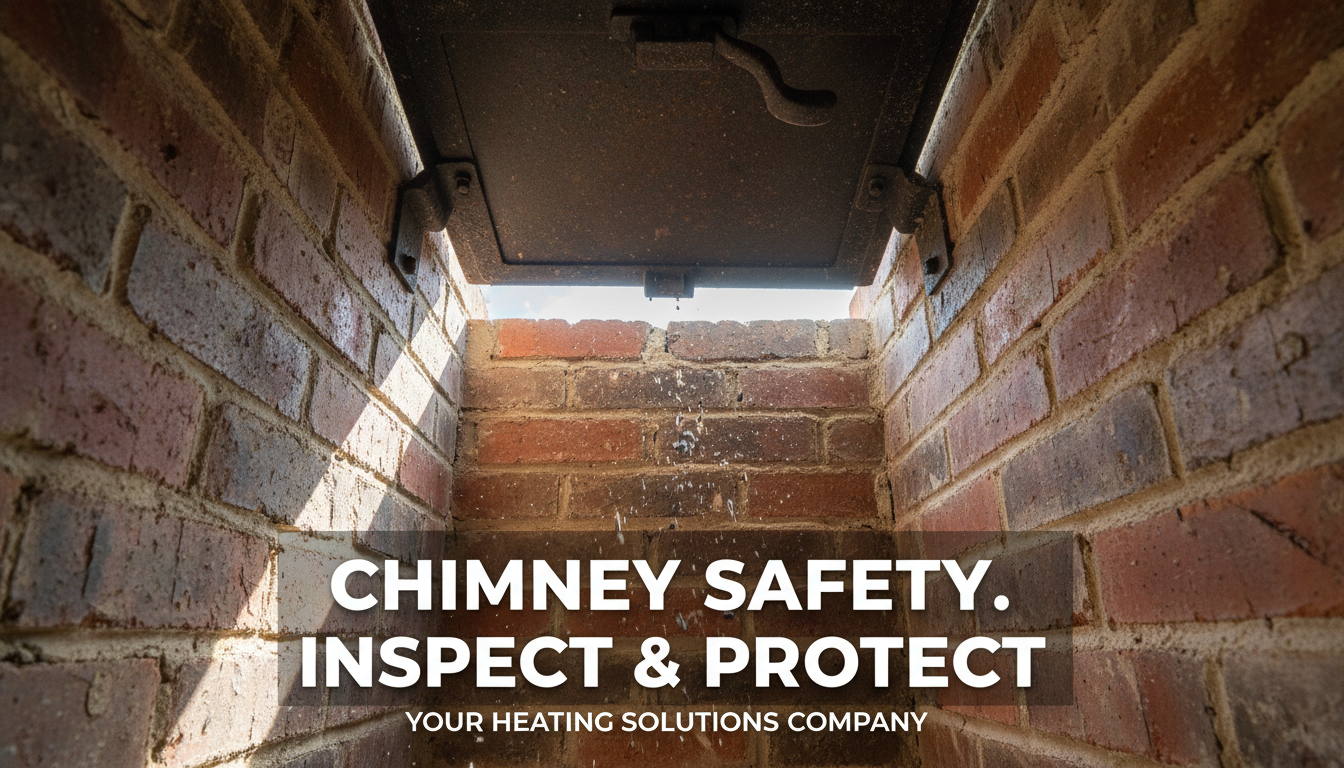
Once you have confirmed the exterior is sound and the flue is clear of nests, shift your focus to the hearth. Begin by testing the damper. After a damp Kawartha winter, steel and cast iron components often suffer from surface rust. Using a headlamp, fully open and close the damper several times to ensure it moves smoothly through its entire range. If you feel resistance or hear a grinding sound, the assembly may be partially seized or the metal plate might be warped. A damper that fails to seal tightly will not only hinder your fire's draft but will also allow expensive heat to escape your cottage during the cooler spring nights.
It is a common misconception that a fireplace remains pristine if it was rarely used the previous season. Dormant chimneys often suffer from "cold hearth" syndrome, where humid air from the lake infiltrates the flue and condenses against the cool masonry or metal liner. This moisture reacts with leftover soot to create corrosive acids that eat away at the system. While inspecting the firebox, look specifically for efflorescence, a white, powdery mineral deposit on the bricks. This residue is a clear indicator that water is moving through the masonry, which can eventually lead to the degradation of the mortar joints and the structural stability of the hearth.
Finally, use a fireplace poker to scratch the surface of the residue on the firebox walls. If you find a thick, shiny, or tar like substance rather than dry, flaky soot, you are dealing with glazed creosote. This is the most flammable form of buildup and cannot be removed with a standard brush. Identifying these interior issues is a core part of comprehensive chimney and heating maintenance. If you discover significant scaling or moisture damage, a professional cottage chimney sweep Kawartha technician should evaluate the system. These internal findings often dictate the necessity for certified WETT inspections to ensure your wood fireplace installations remain safe for the season ahead.
Why Insurance Companies Require WETT Inspections for Ontario Cottages
Property owners often ask about the specific wood stove rules in Ontario after completing their internal fireplace checks. While the Ontario Fire Code mandates annual chimney and heating maintenance, insurance providers for seasonal properties in regions like Norwood and Lakefield have their own strict standards. Most cottage insurers in the Kawarthas now require a Wood Energy Technology Transfer (WETT) inspection report every three to five years. This is not merely a recommendation; it is typically a condition of coverage for any building featuring wood fireplace installations.
It is important to distinguish between a standard cottage chimney sweep Kawartha service and a formal inspection. A professional sweep focuses on the physical removal of soot, creosote, and debris to prevent immediate fire hazards. A WETT inspection is a specialized audit of the entire system for code compliance. During this process, a certified inspector examines clearances to combustible walls, the thickness of the floor pad (hearth extension), and the specific venting requirements dictated by the CSA B365 installation code.
At Kawartha Heating Solutions, we provide certified WETT inspections that offer a high level of protection for the homeowner. This documentation is vital for your liability. If an incident occurs, having a professional certification on file proves that you exercised due diligence in maintaining a safe environment. From a financial perspective, these inspections also protect your property value. Many real estate transactions in the Kawartha Lakes region now depend on a successful WETT report, as buyers and lenders want assurance that the wood burning system is safe to operate and will not be denied insurance coverage. By scheduling these inspections alongside your regular maintenance, you ensure your seasonal home remains a safe, insurable, and valuable asset.
Cottage Chimney Sweep Costs in Ontario: What to Expect
Investing in a professional cottage chimney sweep Kawartha service generally falls within the $150 to $350 range; the exact price depends on the complexity of the venting system and the roof's accessibility. While some property owners question the cost of a service that may take a relatively short amount of time, the price reflects the specialized equipment and technical expertise required to perform the job safely and effectively.
A primary portion of this investment goes toward protecting your cottage interior. We utilize industrial strength, HEPA filtered vacuum systems specifically designed to contain fine soot and ash particles. Without this equipment, microscopic residue can settle into your upholstery and lakefront decor, creating a cleaning bill that far exceeds the cost of the sweep itself. Furthermore, the price accounts for high grade roof safety gear. Accessing a chimney on a steep or high cottage roof requires specialized harnesses and anchoring systems to ensure the technician can work without risk to your shingles or themselves.
Beyond the cleaning, you are paying for an expert assessment. A trained eye can spot hairline cracks in a masonry flue or early signs of joint separation in modern wood fireplace installations that an untrained observer would easily overlook. Catching these issues early during routine chimney and heating maintenance is significantly more affordable than a full flue liner replacement, which often costs several thousand dollars. When compared to the devastating financial and emotional toll of a structure fire, a seasonal sweep is a modest but essential investment. Should your system require more rigorous documentation for your provider, combining this service with certified WETT inspections ensures your hearth is both clean and compliant for the months ahead.
Maintaining a clean chimney is a simple yet vital part of preparing your cottage for the upcoming season. By following these steps, you ensure that every fire you light is safe and efficient for your family. If you want expert help with a professional inspection, our team is ready to provide reliable local service. You can read more about our history and services to see how we help homeowners across the Kawartha Lakes. Let us help you stay warm and worry free.