
Effective creosote prevention firewood Ontario homeowners should follow involves burning seasoned hardwoods with a moisture content below 20 percent. Maintaining high fire temperatures with sufficient airflow and avoiding the use of lighter fluid further minimizes soot accumulation; these steps are essential for safe and efficient wood stove operation.
As the temperatures drop across the Kawartha region, homeowners often encounter the frustrating reality of sluggish drafts and persistent smoke. These common issues are typically the first warnings of creosote accumulation, a dangerous, flammable byproduct that significantly compromises your chimney safety and heating efficiency. Understanding how to mitigate this residue is vital for any wood stove owner navigating the unique climate of rural Ontario. At Kawartha Heating Solutions, we believe that proper fuel selection is the foundation of a healthy heating system. In this guide, we provide professional insights into the science of seasoned firewood, including specific seasoning timelines for local species and the critical importance of the 20 percent moisture threshold. You will also discover practical storage strategies and burning techniques designed to keep your flue clear, ensuring a safer and more reliable heat source all winter.
Understanding Creosote: The Invisible Threat in Rural Ontario Chimneys
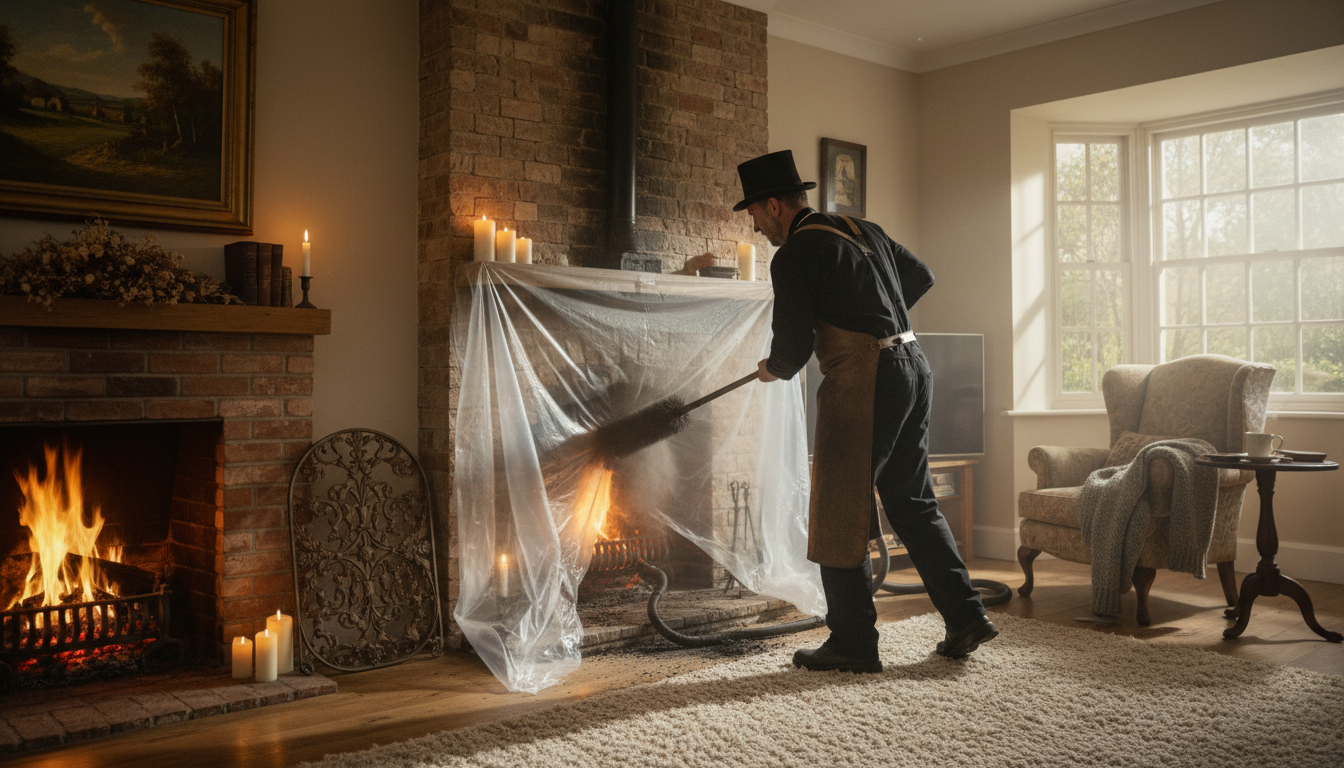
Creosote is far more than just a messy byproduct of your fireplace; it is a highly flammable substance created by incomplete combustion. In the rural landscapes of Norwood and the Kawarthas, understanding this chemical process is vital for home safety. When smoke travels up your chimney, it carries unburned wood particles, gases, and water vapor. If the chimney walls are cool, these elements interact with condensation and solidify into creosote. Our local climate exacerbates this issue because frigid Ontario winters rapidly cool exterior chimney flues, causing smoke to condense much faster than in milder regions.
Creosote develops in three distinct stages, each presenting increasing levels of risk:
Stage | Appearance | Characteristics |
|---|---|---|
Stage One | Sooty / Dusty | High carbon content; relatively easy to remove with basic brushing. |
Stage Two | Flaky / Crunchy | Resembles black cornflakes or shiny ripples; harder to remove than soot. |
Stage Three | Hard / Glazed | A dense, tar-like coating that is highly concentrated fuel; requires mechanical removal. |
Stage three creosote is a critical fire hazard. Once it reaches this glazed state, it acts as a concentrated fuel source that can ignite easily and burn at extremely high temperatures, often leading to devastating chimney fires. Because it bonds so tightly to the flue liner, it usually resists standard cleaning methods and requires specialized expert chimney sweep services. Identifying these stages during certified WETT inspections is the first step in ensuring your heating system remains a safe asset. Understanding these deposits is fundamental to the creosote prevention firewood Ontario homeowners need to practice to protect their families and property throughout the burning season.
The Science of Seasoned Firewood: Why 20 Percent Moisture Matters
Managing the chemical stages of creosote begins with the fuel you load into your firebox. Burning "green" or wet wood is the leading cause of dangerous flue deposits in Ontario homes. When firewood has high moisture content, the fire’s thermal energy is redirected away from heating your living space. Instead, that energy is wasted boiling off internal water and sap. This process creates low temperature smoke that is laden with unburned gases. Because this smoke is relatively cool, it lacks the buoyancy to exit the chimney quickly, allowing it to linger and condense into the sticky creosote layers discussed previously.
For optimal safety and efficiency, wood is considered seasoned only when its moisture content drops below 20 percent. While some local homeowners consider 25 percent acceptable, it is far from ideal. In the Kawartha climate, the 15 to 20 percent range is the true sweet spot for performance in modern wood fireplace installations. Wood in this range ignites easily, burns hot, and produces minimal smoke, which is the gold standard for creosote prevention firewood Ontario residents should aim for.
To ensure your wood is truly ready, do not rely on visual cues like cracks or greyed bark. Use a digital moisture meter for an objective reading. To get an accurate result, split a representative piece of wood from your stack and press the meter’s pins into the freshly exposed center of the grain. Testing the outside of a log will provide a false low reading, as the surface dries much faster than the core. Ensuring your fuel meets these standards is as critical as scheduling regular expert chimney sweep services to maintain a healthy flue.
Ontario Firewood Seasoning Guide: Timelines for Local Species
Achieving the 20 percent moisture threshold requires a strategic approach to seasoning that respects the biological differences between Ontario tree species. In the Kawarthas, where winter arrives early and stays late, your choice of wood determines how much time you need to allocate for drying before the first frost. Not all trees release moisture at the same rate; for example, a dense piece of Oak will still be wet and dangerous to burn when a piece of Pine is already bone dry.
The following table outlines the estimated drying times for common local species to help you manage your creosote prevention firewood Ontario strategy:
Species | Estimated Seasoning Time | Primary Use |
|---|---|---|
White/Red Oak | 12 to 24 Months | High heat, long overnight burns |
Hard Maple | 12 Months | Premium heating fuel; very stable |
Birch & Ash | 6 to 9 Months | Mid-range heat; faster seasoning |
White Pine | 6 Months | Best for kindling and quick heat |
Oak is notoriously difficult for homeowners because of its extreme density. Even if it looks dry on the outside, the internal cellular structure holds water tenaciously. Burning Oak that has only seasoned for six months is a recipe for heavy creosote deposits, often requiring more frequent expert chimney sweep services to maintain safety. Conversely, Birch and Ash are excellent options if you are behind on your supply. Ash is unique because it has a naturally low moisture content even when standing, though it still requires several months of airflow to reach the ideal 15 to 20 percent range.
Local species are generally categorized into hardwoods and softwoods. Hardwoods like Maple and Oak are denser, providing a longer burn and higher British Thermal Units (BTUs). Softwoods like Pine or Cedar ignite rapidly but burn through quickly, making them ideal for kindling to establish a hot fire. To ensure your system passes certified WETT inspections and operates efficiently, we advise residents in Norwood and the surrounding areas to plan their wood supply at least one full year in advance. Securing your wood in the spring for the following winter is the most reliable way to guarantee it is ready for your wood fireplace installations when the temperature drops.
Proper Burn Practices to Minimize Flue Deposits
Once you have secured seasoned logs for your wood fireplace installations, your daily burning habits become the primary defense against flue deposits. Proper operation starts with the top down fire starting method. By placing larger logs at the bottom and building the kindling on top, you allow the heat to rise and preheat the chimney flue immediately. This establishes a strong draft early, ensuring that the initial smoke, which is often the heaviest, exits the home quickly rather than lingering to condense on cold masonry or steel.
Maintaining a hot fire is essential for clean combustion. We strongly advise against smoldering, a practice where homeowners cut off the air supply to make a fire last through the night. This oxygen deprivation causes the wood to char and smoke without producing significant heat, directly leading to the formation of dangerous stage three glazed creosote. To prevent this, keep your air inlets open enough to sustain active, visible flames. A magnetic stovepipe thermometer is an invaluable tool for this task. It helps you stay within the safe operating zone, typically between 300 and 500 degrees Fahrenheit. Staying in this range ensures that gases stay hot enough to remain in vapor form until they exit the stack. Mastering these operational nuances is a vital part of the creosote prevention firewood Ontario homeowners rely on to reduce the need for emergency expert chimney sweep services and ensure their systems pass certified WETT inspections during the next heating season.
Firewood Storage Strategies for the Kawartha Climate
Securing seasoned fuel is only half the battle. In Norwood and the surrounding Kawartha region, the high humidity of late summer and autumn can cause dry wood to reabsorb moisture if it is not stored with intention. Effective creosote prevention firewood Ontario strategies require a storage setup that prioritizes airflow over total protection from the elements.
Stacking your wood directly on the earth is a common mistake; the bottom layer will act like a sponge, soaking up ground moisture and inviting rot. Instead, elevate your stack at least six inches off the ground using pressure-treated rails or recycled shipping pallets. When it comes to covering, less is often more. You should only cover the top of the pile to shed rain and snow. Leaving the sides exposed allows the wind to pull remaining moisture from the grain. A tarp draped all the way to the ground traps humid air, creating a microclimate that encourages mold rather than seasoning.
Storage Element | Best Practice | Benefit |
|---|---|---|
Elevation | Pallets or rails | Prevents ground moisture wicking |
Covering | Top-only (tarp or roof) | Sheds precipitation while allowing venting |
Orientation | Sunny, breezy location | Accelerates evaporation |
Stacking | Single rows with gaps | Maximizes surface area for airflow |
A dedicated wood shed provides the ultimate advantage in our climate, as it offers permanent top-coverage while open-slat walls facilitate constant cross-ventilation. Proper storage ensures your fuel is ready for wood fireplace installations and helps your system pass certified WETT inspections by reducing the fuel loads that lead to dangerous deposits. Neglecting these storage rules often results in hissing wood and a rapid need for expert chimney sweep services.
When to Call a Professional Chimney Sweep in Norwood
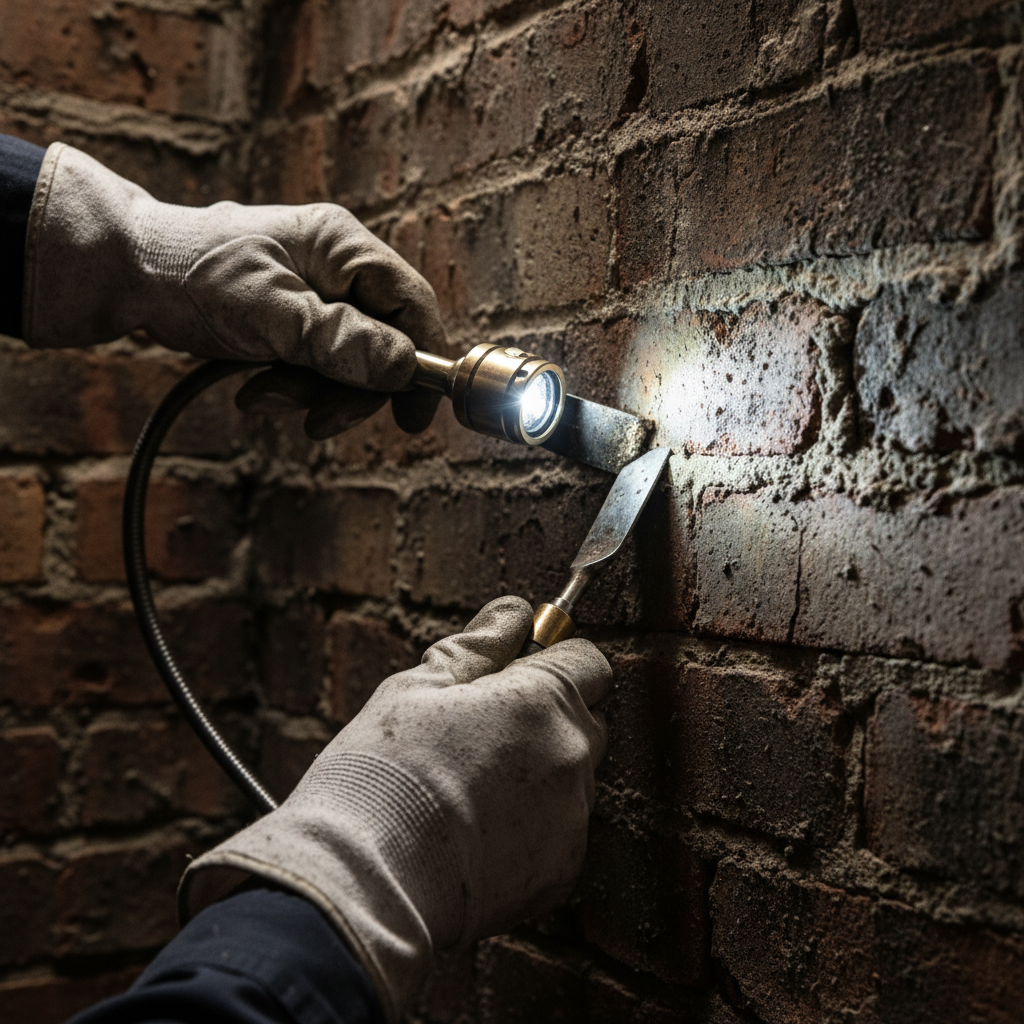
Perfect firewood and flawless burn habits reduce risk, but they do not eliminate it entirely. Creosote is a natural byproduct of combustion that accumulates slowly over time, even in the most efficiently managed systems. Homeowners in Norwood should treat an annual sweep as a non-negotiable part of property maintenance. While a DIY brush might clear away stage one soot, it lacks the mechanical force required to strip away the crunchy or glazed deposits that characterize stages two and three. Professional expert chimney sweep services utilize specialized equipment, including high-torque rotary rods, industrial-strength vacuums for dust containment, and brushes specifically sized for your flue liner, to ensure the chimney is truly clear.
Beyond the physical cleaning, certified WETT inspections serve a critical administrative role in Ontario. Most insurance companies covering rural homes or cottages in the Kawarthas require a WETT report to prove the system is safe and compliant with current wood-burning regulations. A professional sweep can identify subtle warning signs, such as cracked flue tiles, warped baffles, or compromised seals in wood fireplace installations, that the untrained eye would likely miss. Scheduling these services during the spring or summer ensures you are not caught in a service backlog when the first frost hits. This proactive approach allows you to focus on your creosote prevention firewood Ontario strategy with the peace of mind that your heating infrastructure is structurally sound and ready for the heavy demands of a Canadian winter.
Maintaining a safe and efficient wood stove starts with using seasoned wood and practicing smart burning habits. By following these prevention tips, you can reduce creosote buildup and enjoy a warmer home throughout the Ontario winter. If you want expert help managing your system, professional maintenance is always a reliable option. Our team provides detailed Chimney Services to ensure your setup is clean and ready for the cold weather ahead.