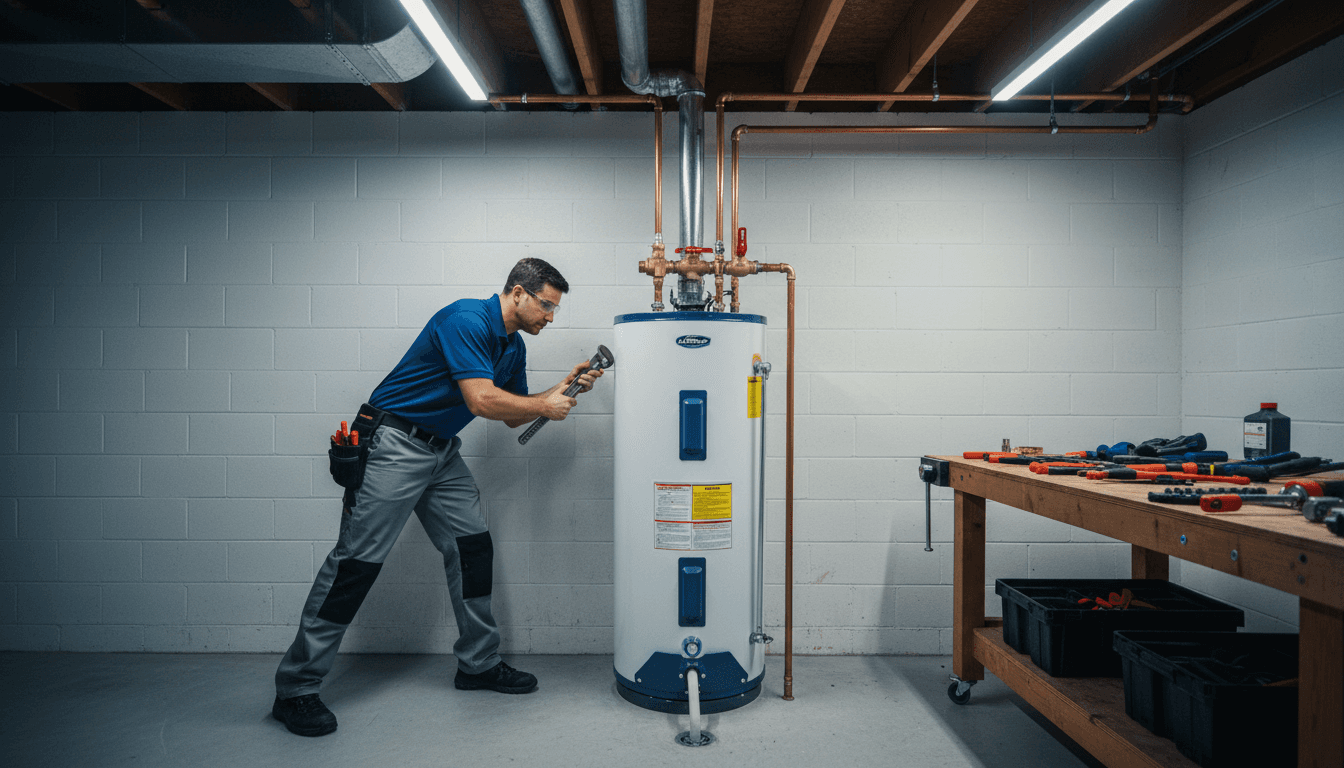
A comprehensive furnace safety inspection Ontario involves a licensed technician checking the heat exchanger for cracks and testing for dangerous carbon monoxide leaks. This annual maintenance is vital for rural propane homes to ensure efficient combustion, clear ventilation, and reliable heating throughout the winter season.
As the temperature drops across rural Ontario, homeowners face unique challenges that city dwellers rarely encounter. When you rely on a propane furnace to combat a deep freeze, a sudden breakdown is more than a minor annoyance; it is a safety risk that can leave your household stranded in the cold. Ensuring your heating system is prepared for the season requires more than a simple filter change. A professional safety inspection addresses the specific vulnerabilities of rural equipment, such as propane pressure fluctuations and heavy snow accumulation around sidewall vents. In this guide, we will explore why these inspections are critical for protecting your family from carbon monoxide leaks. You will also learn the essential steps our technicians take to verify heat exchanger integrity, along with practical maintenance tips to help you extend the lifespan of your furnace throughout the harshest winter months.
Why a Furnace Safety Inspection in Ontario is Critical for Rural Homeowners
Living in Norwood or throughout the Kawarthas means understanding that help is often a long drive away during a major snowstorm. While urban residents in larger centers can often rely on rapid response times, rural homeowners using propane must account for the reality of limited technician availability and inaccessible backroads during extreme weather. A furnace failure in -30°C conditions quickly escalates from a comfort issue to a property emergency; frozen pipes can burst and cause extensive water damage before a service van can even reach your driveway.
This logistical reality makes a furnace safety inspection Ontario homeowners can trust a non-negotiable part of fall preparation. The primary goal of these professional checks is twofold: preventing total mechanical failure during peak demand and ensuring there are no life-threatening carbon monoxide leaks. In our province, fuel safety is strictly governed by the Technical Standards and Safety Authority (TSSA). This regulatory body mandates specific protocols for how heating systems must be maintained and operated to protect the public. By investing in expert heating solutions early in the season, you ensure your system meets these provincial safety standards while avoiding the physical risks and high costs associated with emergency mid-winter repairs.
The Unique Challenges of Propane Furnaces in Rural Settings
Unlike natural gas systems fed by municipal pipelines, propane furnaces rely on a pressurized fuel source stored on-site, introducing unique mechanical demands. Propane is stored as a liquid under high pressure, which requires a multi-stage regulation process to reduce it to a safe, usable level for your furnace. A critical component of a furnace safety inspection Ontario homeowners should expect is a thorough check of the primary and secondary regulators. These components are prone to freezing in extreme cold or becoming obstructed by insects, such as mud daubers, which can lead to improper fuel delivery or total system lockout.
The exterior nature of propane infrastructure also exposes gas lines to environmental stressors not typically seen in urban environments. In the Kawarthas, the seasonal freeze-thaw cycle causes significant ground shifting. This movement, combined with the weight of heavy snow loads sliding off rooftops, places immense physical strain on the gas line. The joint where the line enters the home is a notorious failure point; if the piping was not originally secured with professional gas line installation techniques that allow for some flexibility, the seal can crack.
Technicians must use specialized leak-detecting solutions or electronic "sniffers" to inspect these exterior connections and entry points. Because propane is heavier than air, any leak near the foundation can allow gas to pool in low-lying areas or seep into the basement rather than dissipating. Ensuring the integrity of these lines and the tank connection is just as vital as the internal furnace components for maintaining a safe rural home.
Inspecting the Heat Exchanger: Preventing Carbon Monoxide Risks
The heat exchanger acts as the critical barrier within your furnace. Its primary function is to facilitate the transfer of thermal energy from the combustion chamber to the air circulating through your home. Crucially, it must keep the toxic byproducts of combustion, including carbon monoxide, entirely separate from the breathable air in your living spaces. When homeowners ask, "Can a bad heat exchanger cause carbon monoxide?", the answer is a definitive yes. A compromised heat exchanger is the most common way CO escapes the sealed combustion process and enters your ductwork.
Even the smallest hairline fractures are life-threatening. These cracks often occur due to the constant expansion and contraction of the metal over hundreds of heating cycles, a process accelerated by the intense heat of propane combustion. Because these fractures are frequently invisible to the naked eye or tucked away in the tight curves of the metal cells, a standard visual check is insufficient. A professional furnace safety inspection Ontario technicians perform involves the use of specialized diagnostic equipment. Technicians utilize high-definition snake cameras to navigate the interior of the heat exchanger or CO analyzers to detect trace amounts of gas that should not be present in the supply air.
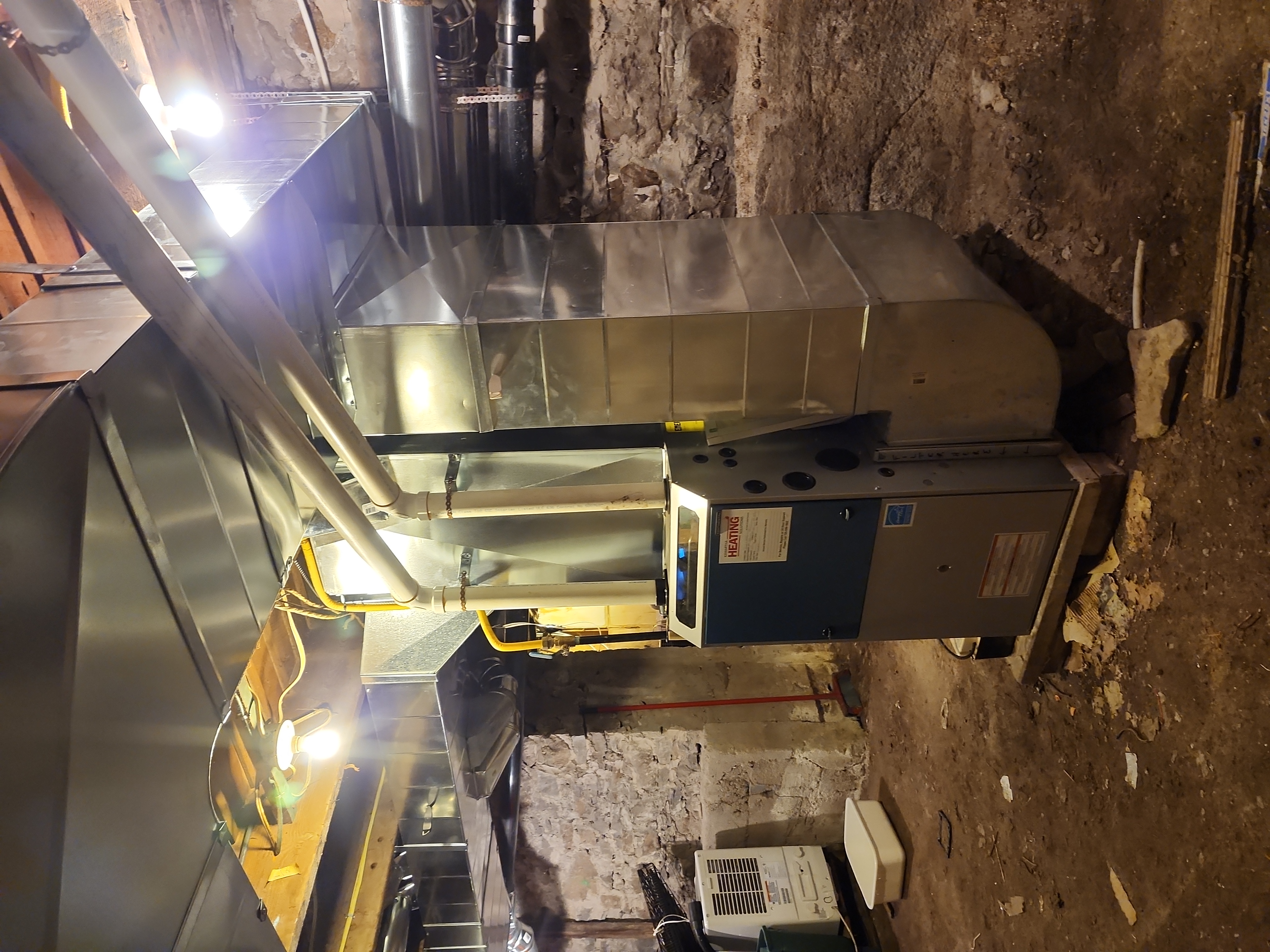
In Ontario, the discovery of a cracked heat exchanger is not a matter for negotiation. Under the safety regulations enforced by the TSSA, a technician who identifies a breach in the heat exchanger is legally required to shut off the gas supply and "red tag" the unit immediately. This action prevents the furnace from operating until the component is replaced or the entire unit is swapped out for a new Napoleon and Continental furnace installation. While losing heat in the middle of a Kawartha winter is a significant inconvenience, it is the only way to prevent a potential carbon monoxide emergency. This technical assessment ensures that the heat being distributed is as safe as it is efficient.
Professional Furnace Inspection Checklist: What a Technician Does
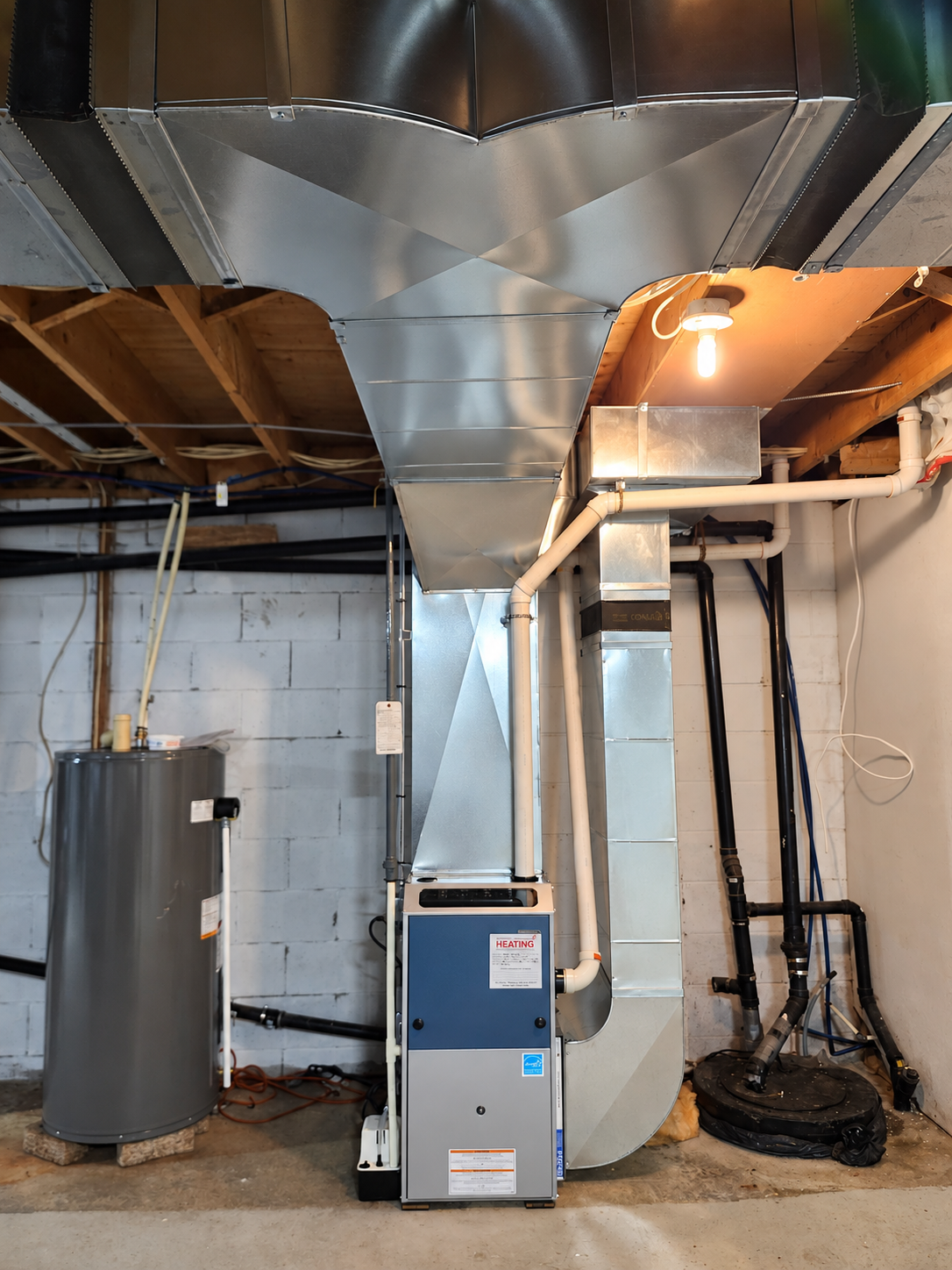
Ensuring safety is the baseline; achieving peak operational efficiency requires a more granular approach. A professional technician follows a rigorous checklist designed to optimize every stage of the heating cycle. One of the most critical steps in a furnace safety inspection Ontario professionals provide is the verification of manifold pressure. Because propane delivers more BTUs per cubic foot than natural gas, even a minor deviation in pressure can lead to inefficient combustion, increased fuel consumption, or soot buildup within the cabinet.
The checklist also includes a rigorous evaluation of the furnace's safety controls. We test the high limit switches, which are designed to shut down the burner if the internal temperature exceeds safe parameters. Without these switches functioning correctly, a restricted airflow issue could cause the heat exchanger to warp or fail. Furthermore, burner maintenance is essential for safety. Cleaning is not merely an aesthetic task; it is about calibrating the fuel to air ratio. Removing carbon buildup from the burners ensures a crisp blue flame and guarantees no unburnt propane escapes.
Finally, a technician assesses the mechanical and exhaust components:
Component | Inspection Action | Rural Risk Factor |
|---|---|---|
Blower Motor | Amperage and capacitor testing | Motor failure during high-demand cold snaps |
Flue System | Visual and physical obstruction check | Bird nests or rodent debris blocking exhaust |
Burner Ports | Precision cleaning | Yellow flames indicating incomplete combustion |
These expert heating solutions ensure that your system is not only safe but capable of handling the heavy workload of a Kawartha winter. By verifying the mechanical integrity of the blower and clearing any debris from the venting, we prevent the system from failing when the snow begins to pile up against the foundation.
Preparing for Heavy Snow: Sidewall Vents and Rural Airflow
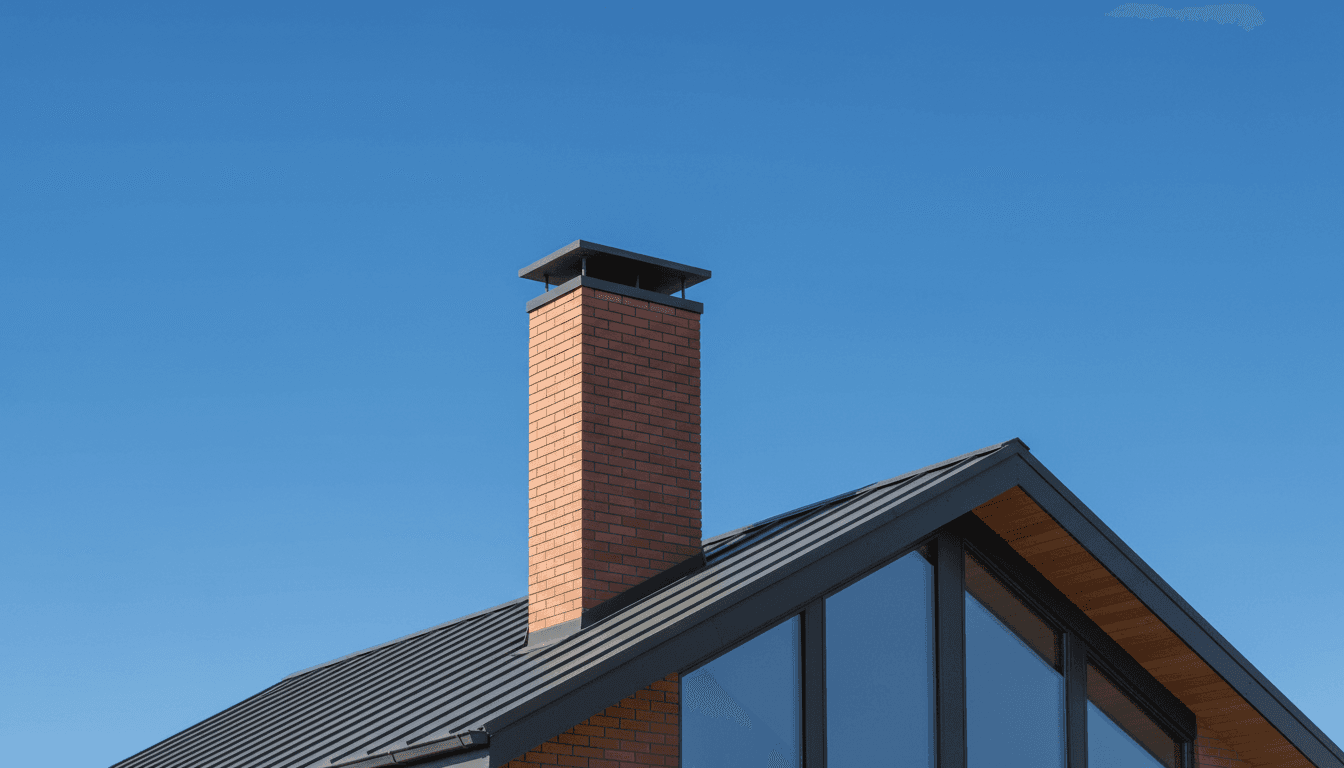
Modern high-efficiency furnaces in the Kawarthas often utilize sidewall venting rather than traditional vertical chimneys. While efficient, these PVC pipes are highly vulnerable to the significant snow accumulation and wind-driven drifts typical of a Norwood winter. When a heavy drift covers these vents, it creates two immediate dangers. First, the furnace may experience a safety lockout if the intake pipe cannot draw in oxygen, leaving the home without heat. Second, and more critically, a blocked exhaust pipe can cause combustion byproducts to back up into the living space, creating a severe carbon monoxide hazard.
During a professional furnace safety inspection Ontario technicians verify that your vents meet specific TSSA and manufacturer clearance requirements. Generally, vents must be installed at least 12 inches above the highest expected snow level. In our region, this often requires the venting to be situated much higher than the minimum code to account for rooftop shedding and deep drifts. Maintaining these clearances is a key part of the expert heating solutions we provide to ensure consistent airflow during a blizzard.
Homeowners should monitor these exterior pipes throughout the season. When clearing snow, avoid using metal shovels or heavy ice scrapers near the piping; PVC becomes brittle in extreme cold and can easily crack or shatter under impact. Use a soft broom or your hands to maintain a clear path. It is also vital to clear the area directly beneath the vents to prevent ice dams from forming as condensation drips and freezes, which can eventually block the pipe opening and trigger a system failure.
Homeowner Maintenance: What You Should Check Before Winter
While the technical complexities of a furnace safety inspection Ontario experts provide are best handled by a licensed professional, several proactive steps are within a homeowner's scope. These tasks focus on maintaining airflow and ensuring your backup safety systems are ready for the winter months.
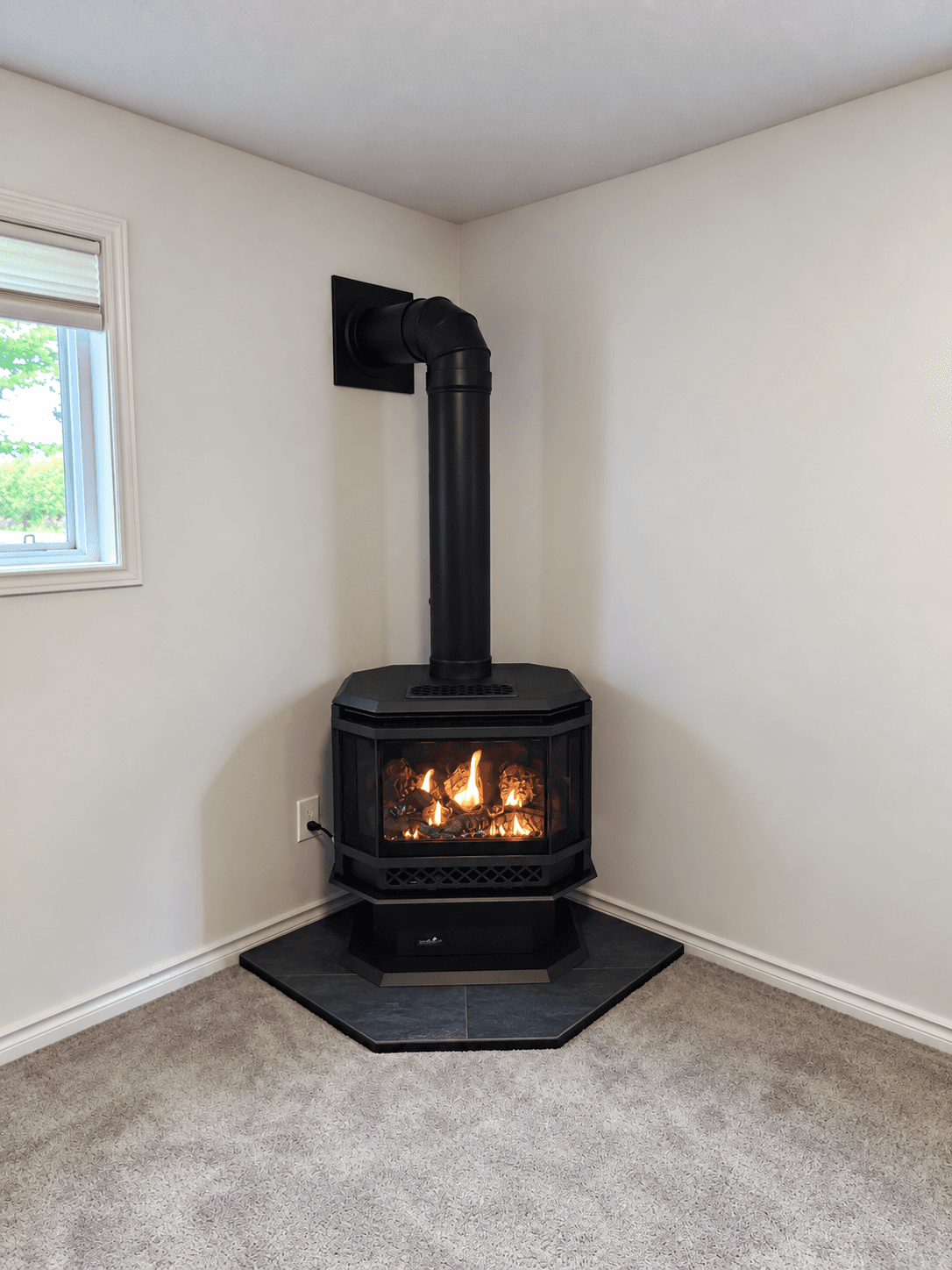
The most significant DIY task is managing the furnace filter. Filters use the MERV (Minimum Efficiency Reporting Value) rating system to indicate their filtration level. While a MERV 16 captures the most allergens, it can also restrict airflow enough to cause a high-limit lockout in older systems. A MERV 8 or 11 is typically the ideal balance for rural homes. Regarding how often you should change filters in Canada, the standard 90 day window is often too long for properties in Norwood. If you operate a wood stove or fireplace, the extra airborne ash and dust mean you should inspect your filter every 30 days.
Beyond the furnace, verify your safety sensors. Carbon monoxide detectors have a finite lifespan, usually seven to ten years, which is stamped on the back of the device. If the unit is past its expiry date, the sensor may fail to alert you during a leak. Finally, perform a "dry run" by testing your thermostat early in the fall. Raising the temperature five degrees to trigger a full cycle allows you to identify odd noises or ignition delays while you still have time to book expert heating solutions before the temperature drops below zero.
The Cost of Neglect: Lifespan and Warranty Protection
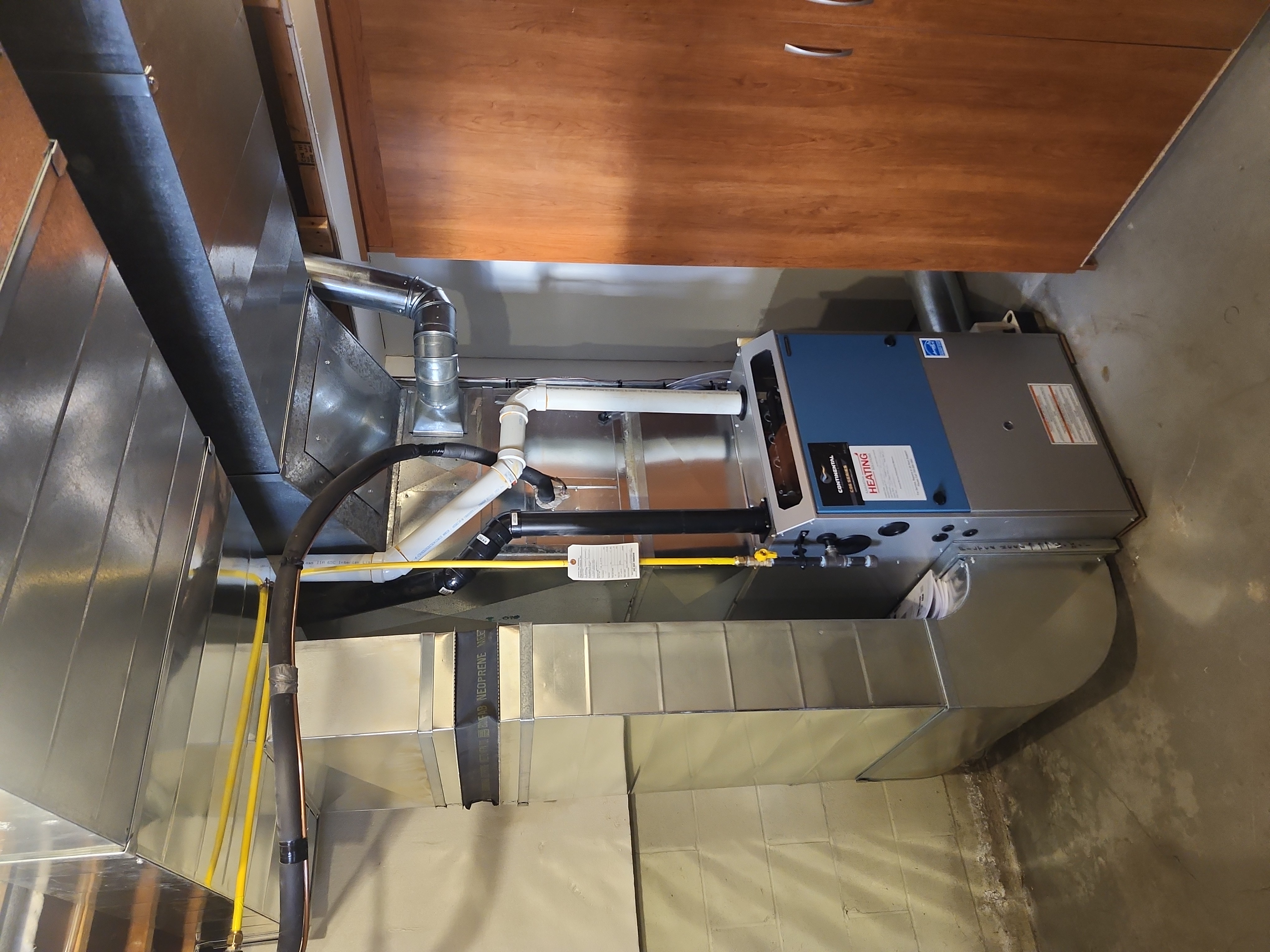
Skipping annual maintenance often results in the premature retirement of equipment that should otherwise last 15 to 20 years. For homeowners who have invested in a Napoleon and Continental furnace installation, regular service is more than a recommendation; it is often a requirement for warranty protection. Most major manufacturers include clauses that void parts warranties if the system has not been professionally maintained. A documented furnace safety inspection Ontario residents receive provides the necessary paper trail to ensure that if a major component fails, the manufacturer covers the cost of the part rather than leaving you with the full bill.
The financial logic of proactive care is clear when comparing service rates. Scheduling expert heating solutions in October is a predictable, flat-rate expense. Conversely, an emergency "no heat" call during a January deep freeze involves after-hours premiums and the high cost of expedited parts shipping. In a rural setting like Norwood where travel time and technician availability are critical factors, neglect is an expensive gamble that compromises both your budget and your home’s safety.
Prioritizing a professional furnace inspection ensures your rural home remains safe and efficient throughout the cold Ontario months. While basic maintenance is helpful, a thorough safety check provides the peace of mind that only comes from expert oversight. If you want expert help ensuring your propane system is in top condition, we invite you to explore our full range of services. Our team is dedicated to keeping your family warm and secure all winter long.