Effective furnace maintenance Ontario requires regular DIY tasks like replacing air filters, testing thermostats, and clearing air vents to ensure proper airflow. Scheduling an annual professional inspection is also vital to verify system safety and maintain peak efficiency during cold weather months.
As the first frost settles over the Kawartha Lakes and temperatures begin to dip in Norwood, the last thing any homeowner wants is a sudden furnace failure during a deep Ontario freeze. An unexpected breakdown is more than a cold inconvenience; it often leads to emergency service fees and potential safety hazards for your family. Proactive maintenance is the most effective way to ensure your heating system remains reliable, efficient, and capable of handling our demanding local climate. In this guide, we provide a comprehensive look at essential DIY tasks, including exterior vent management and thermostat testing. We also explore professional care requirements, the financial logic of the 5000 dollar rule for aging units, and how supplementary wood heating affects your furnace performance. By following these expert steps, you can secure a warm home and peace of mind all winter long.
Why Furnace Maintenance Matters for Norwood and Kawartha Lakes Residents
Living in Norwood, Peterborough, or along the shores of the Kawartha Lakes means preparing for winters that are as beautiful as they are brutal. In our region, a functioning furnace is far more than a luxury; it is a critical safety system designed to prevent burst pipes and dangerous indoor temperatures. Residents often search for furnace maintenance Ontario because the stakes are higher here than in southern urban centers. Between the rising cost of fuel and the strict requirements of local home insurance providers, proactive care is the only way to avoid a mid-January emergency.
Homeowners in the Kawarthas face environmental challenges that city dwellers in Toronto rarely consider. Our rural landscape, characterized by unpaved backroads and sprawling forests, introduces a high volume of dust and seasonal pollen into the air. This debris finds its way into your home’s intake system much faster than urban smog, often clogging filters and straining blower motors well before the manufacturer’s recommended interval. Without regular attention, this buildup forces the system to work harder, leading to premature part failure and spiked utility bills.
At Kawartha Heating Solutions, we provide comprehensive heating solutions that account for these local conditions. Meeting the standards for furnace maintenance is often a requirement for maintaining valid property insurance, especially in rural areas where a furnace failure could lead to significant structural damage. By prioritizing expert furnace services, you ensure your system can handle the relentless demand of a rural Ontario winter while staying compliant with your policy and manufacturer warranties.
Monthly DIY Furnace Maintenance Checklist
Transitioning from understanding regional environmental risks to taking action involves a consistent monthly routine. Performing a simple walkthrough of your system is the most effective way to catch small issues before they require expert furnace services. This proactive approach ensures your equipment remains efficient throughout the fluctuating temperatures of an Ontario winter.
Start your checklist with the air filter, as this is the primary defense against rural dust. The frequency of maintenance depends entirely on the size of your filtration system:
Filter Type | Maintenance Interval | Action Required |
|---|---|---|
1-inch Pleated Filter | Every 30 Days | Full Replacement |
4-inch Media Filter | 3 to 6 Months | Visual Inspection / Replace if grey |
Washable Filters | Every 30 Days | Rinse and Air Dry Completely |
A clogged filter restricts airflow, which forces the blower motor to work harder and significantly increases energy consumption. In Norwood and surrounding rural areas, filters often reach capacity faster than the manufacturer suggests due to airborne debris from nearby agricultural activity.
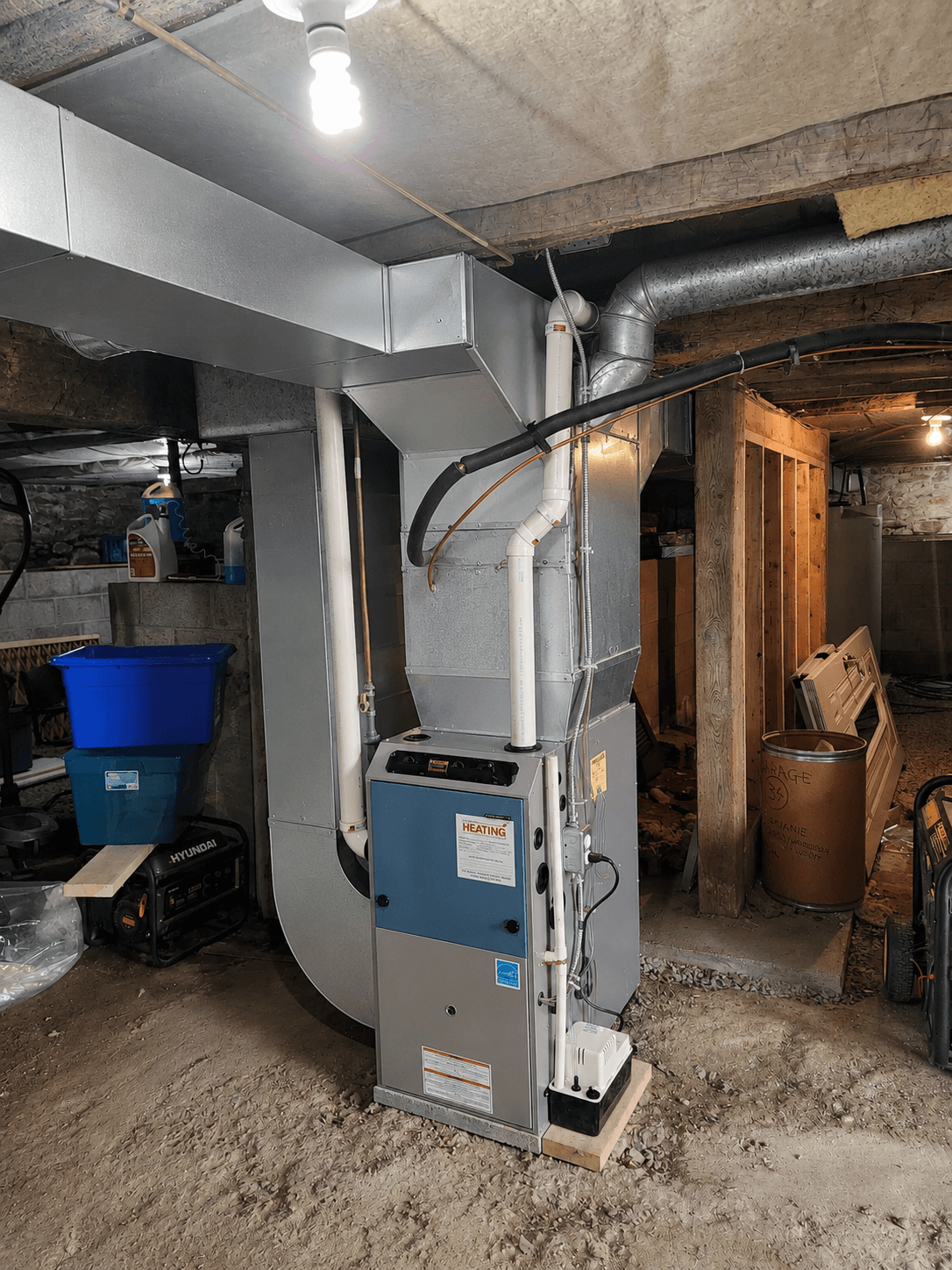
Next, conduct a visual inspection of the furnace cabinet and the floor surrounding the unit. Many older Kawartha basements are prone to seasonal dampness; however, moisture pooling near the base of the furnace or visible rust on the cabinet panels can indicate a failing condensate pump or a leaking internal component. If you notice streaks of corrosion or damp spots, it is a sign that the humidity levels are not being managed correctly within the system.
Finally, verify that your home's air registers and return grilles are completely unobstructed. It is common for homeowners to inadvertently block vents with area rugs, heavy curtains, or new furniture. Restricted vents cause the furnace to "short cycle," a process where the unit overheats and shuts down prematurely to protect itself. This constant cycling wastes fuel and places unnecessary stress on the electronic ignition and heat exchanger.
Managing Exterior Vents: The Ontario Winter Challenge
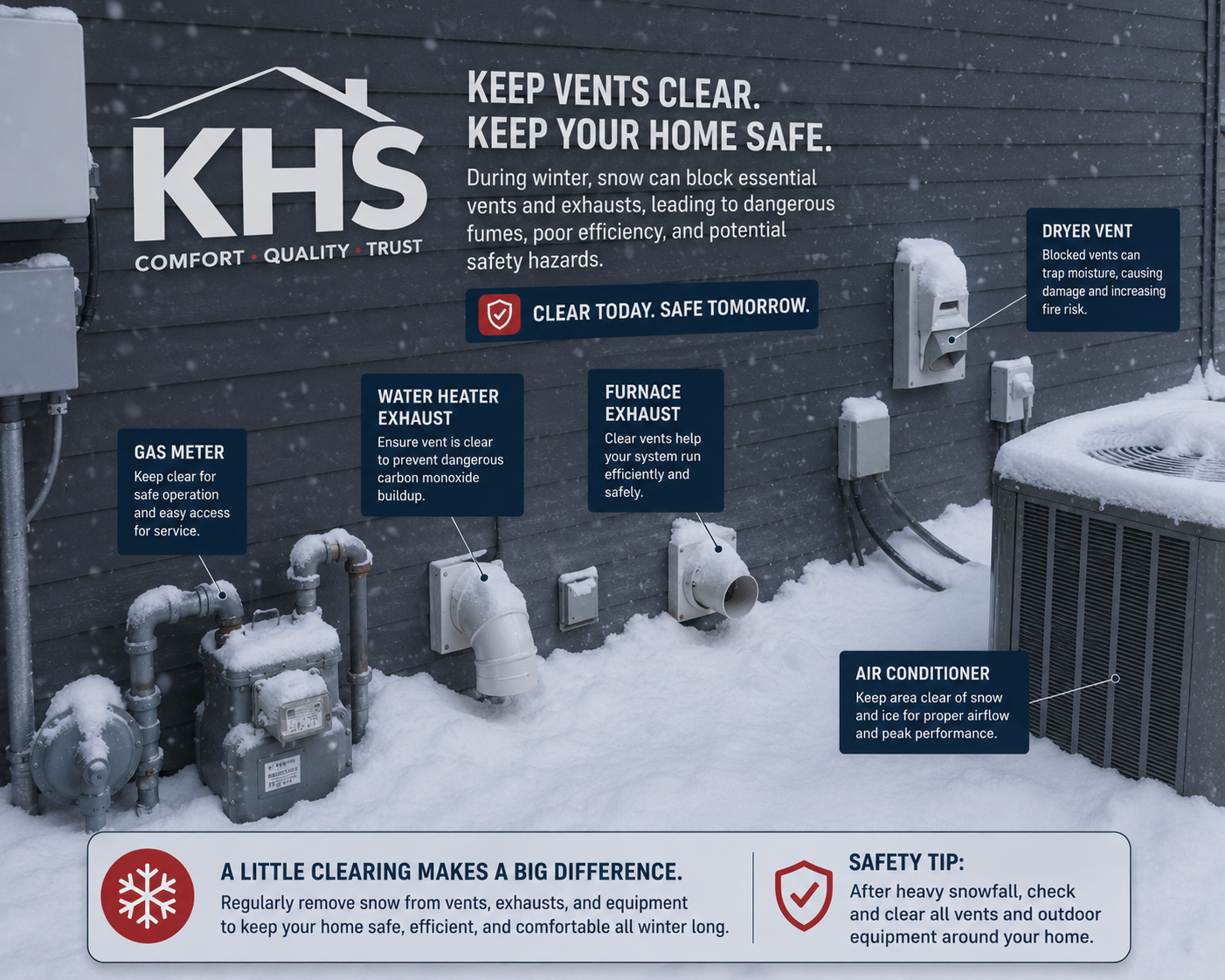
Beyond the air registers inside your home, the exterior components of your heating system require equal vigilance during a Kawartha winter. High efficiency furnaces rely on two white PVC pipes protruding from the side of your house to manage air intake and exhaust. These vents are particularly vulnerable to the heavy snowfall and drifting common in Norwood and the surrounding rural areas. If a snowbank or an ice shelf blocks these pipes, your furnace will likely enter a safety lockout and shut down immediately. More dangerously, a partial blockage can cause carbon monoxide to back up into your living space instead of being safely vented outside.
To prevent these hazards, clear a dedicated path to your exterior vents after every significant storm. Maintaining a three foot clearance around the pipes ensures the system can breathe freely without the risk of recirculating exhaust gases. During the early autumn, inspect the terminal ends of these pipes to ensure the rain caps or bird screens are intact. Local wildlife, particularly small birds and squirrels, often seek the warmth of these pipes to build nests during the off season, which creates a significant obstruction. Keeping these screens secure is a simple but vital part of furnace maintenance Ontario homeowners should prioritize to ensure safety. If you discover an internal blockage or ice buildup that you cannot safely clear, it is time to contact expert furnace services to prevent damage to the pressure switches and blower motor.
Testing Your Thermostat and Safety Controls
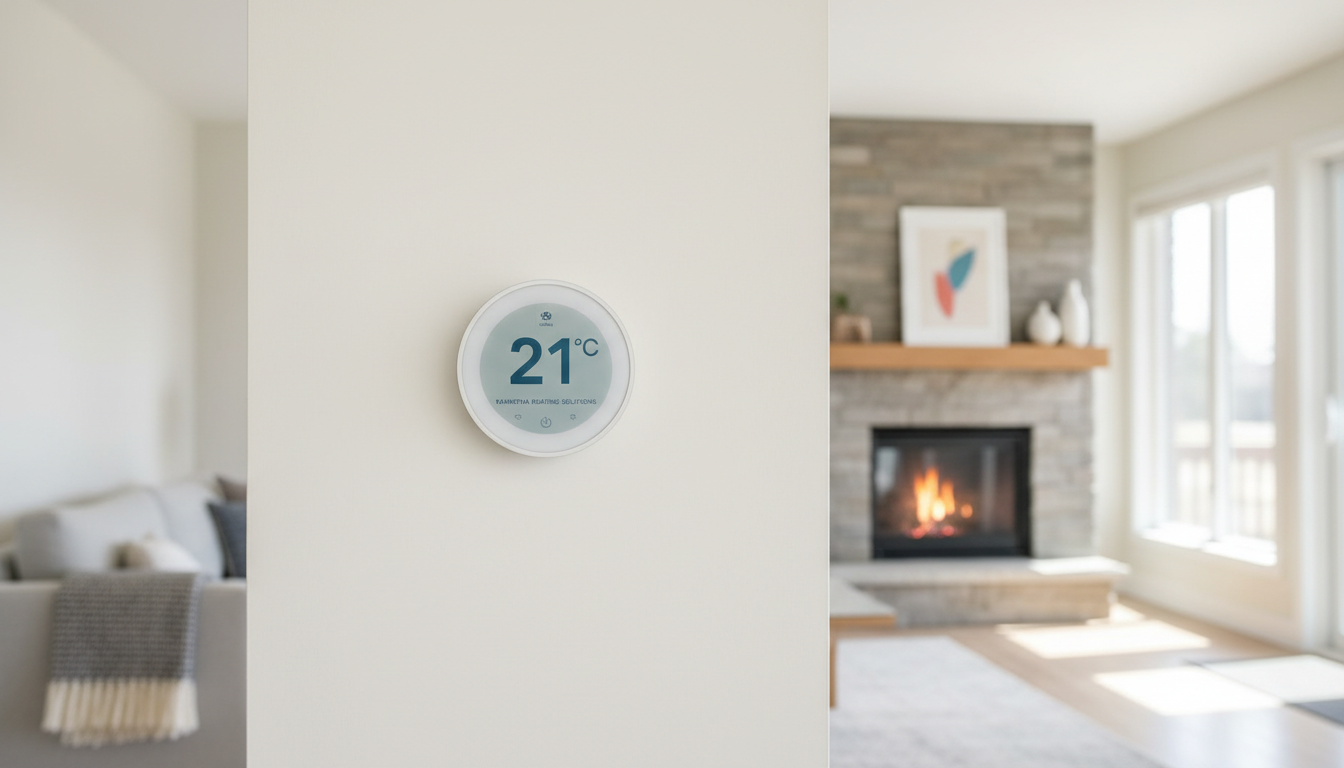
While exterior vents and filters act as physical barriers, the thermostat serves as the brain of your heating system. Testing this component ensures clear communication between the wall unit and the furnace before the first frost hits Norwood. To perform a basic test, switch your system to "Heat" mode and increase the temperature setting five degrees higher than the current ambient room temperature. You should hear a distinct click from the thermostat, followed shortly by the sound of the furnace inducer motor and blower activating.
Many service calls for expert furnace services in the Kawarthas are actually caused by failing thermostat batteries rather than mechanical furnace failure. Replace these batteries annually to prevent intermittent signals that can lead to no-heat emergencies. A practical strategy is to swap them out at the same time you perform your seasonal smoke and carbon monoxide detector checks.
When homeowners ask about their level of involvement in furnace maintenance Ontario, the most valuable contribution is active observation. During the initial autumn startup, pay close attention to "short cycling," where the furnace shuts down after only a few minutes of operation before reaching the set temperature. Listen for unusual screeching, rattling, or booming sounds. These auditory cues often indicate loose blower components or delayed ignition issues that require a technician to maintain your home’s comprehensive heating solutions and safety standards.
When to Call a Professional for Furnace Maintenance in Ontario
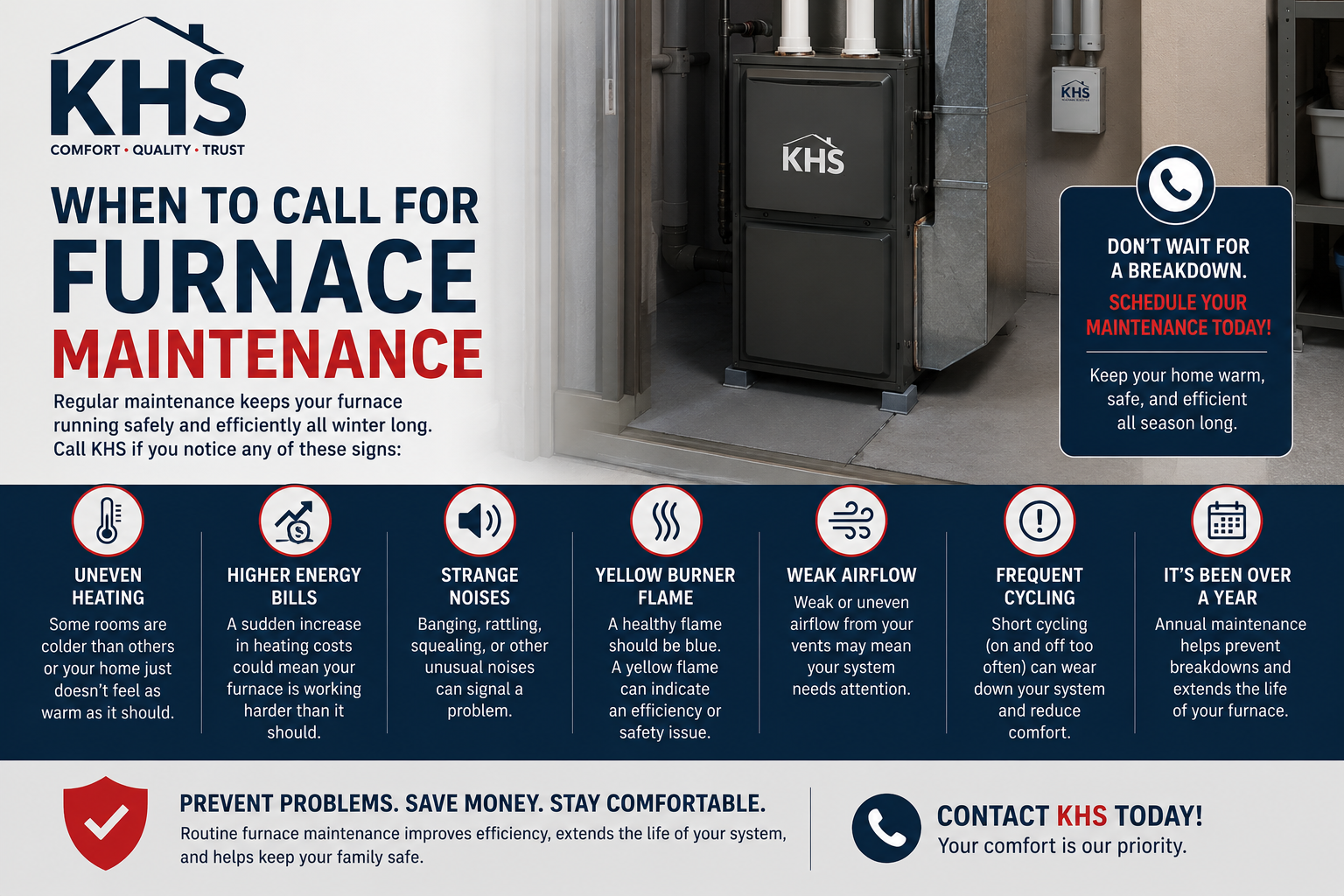
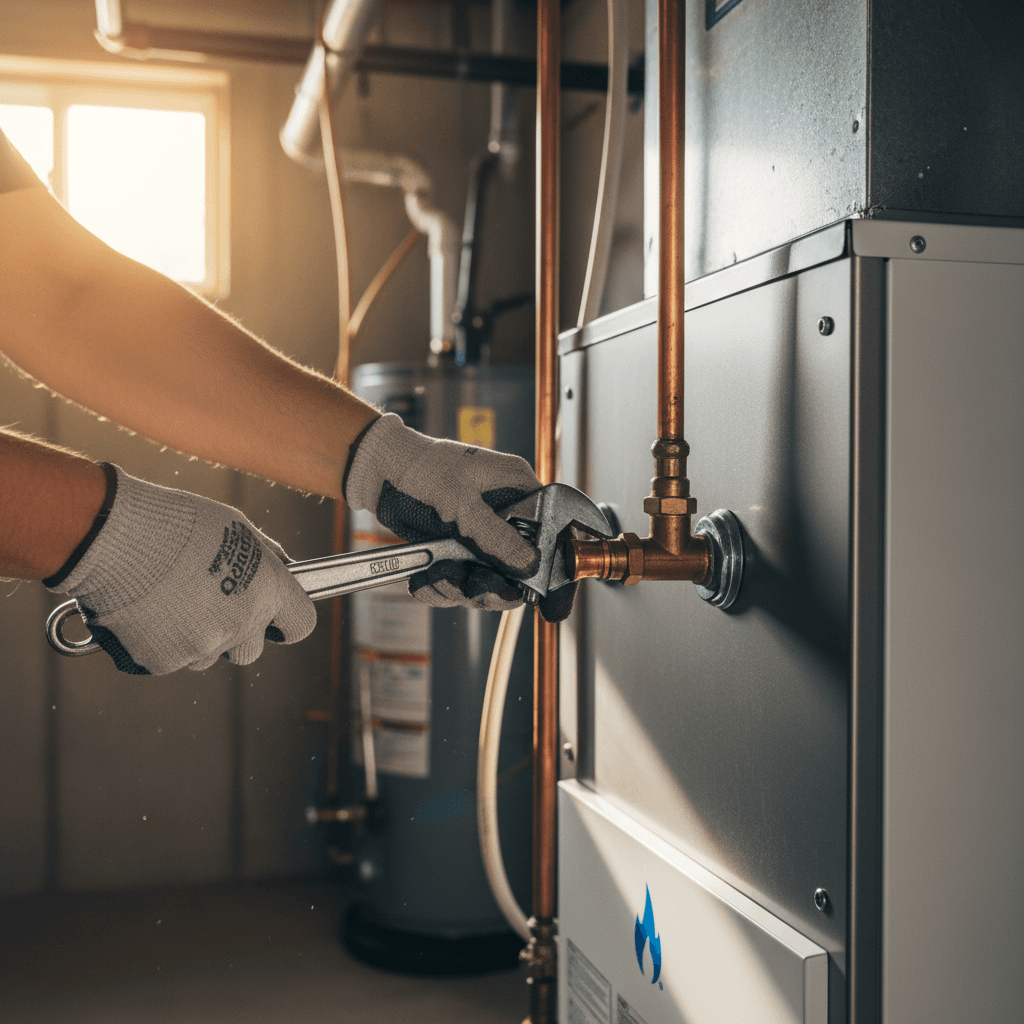
While basic upkeep handles the peripheral components of your system, a professional technician focuses on the internal mechanical integrity. In Norwood and the broader Kawartha region, the line between DIY and professional work is clearly drawn at the combustion chamber. Opening the furnace cabinet to handle gas lines, high voltage electrical components, or internal sensors requires specialized diagnostic tools and mandatory certification. Performing these tasks without proper training can lead to permanent system damage or hazardous gas leaks.
A professional visit includes a deep dive into components that a homeowner cannot safely access. For example, cleaning the burners ensures even fuel distribution and prevents soot buildup, while testing the flame sensor ensures the system does not enter a nuisance lockout during a mid-winter cold snap. The most critical task, however, is the technical inspection of the heat exchanger.
Professional Maintenance Task | Purpose | Safety Impact |
|---|---|---|
Heat Exchanger Inspection | Checking for hairline cracks or corrosion | Prevents Carbon Monoxide (CO) leaks |
Flame Sensor Calibration | Ensuring the sensor detects the burner flame | Prevents frequent system shutdowns |
Burner Cleaning | Removing debris from the combustion area | Improves fuel efficiency and air quality |
Static Pressure Test | Measuring airflow resistance in the ducts | Protects the blower motor from burnout |
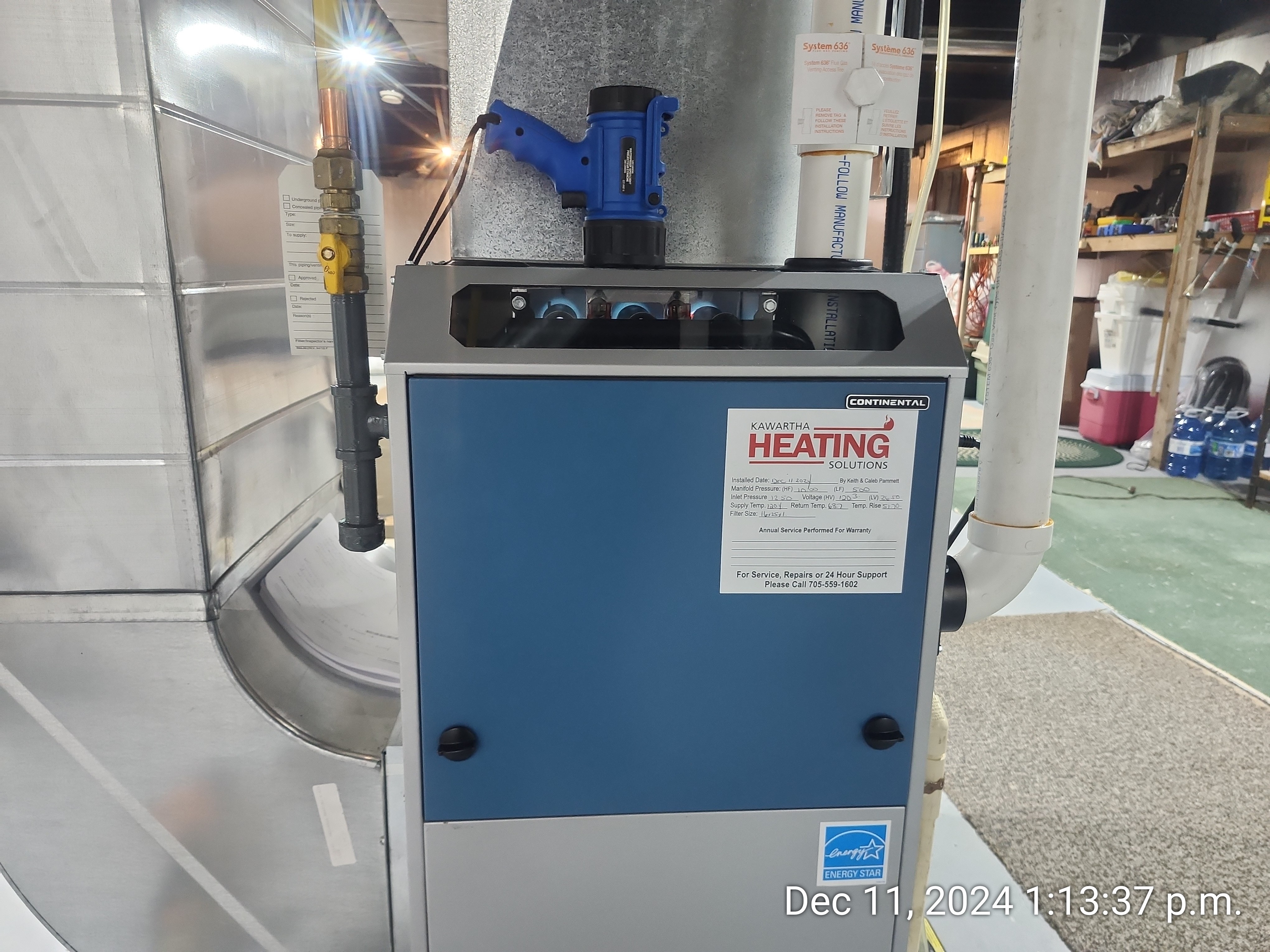
A cracked heat exchanger is the most serious safety risk in any home. Because this component separates toxic combustion gases from the air circulating through your living spaces, even a microscopic fissure can allow carbon monoxide to enter your bedrooms. Furthermore, almost every furnace manufacturer in Ontario mandates annual expert furnace services to keep their warranty valid. Without a documented service history from a certified technician, you may be forced to pay out of pocket for expensive parts that would have otherwise been covered. Prioritizing professional comprehensive heating solutions ensures your system remains safe, legal, and reliable for years to come.
Understanding Furnace Maintenance Costs and the 5000 Dollar Rule
Investing in professional care is a predictable expense that prevents unpredictable breakdowns. For residents in Norwood and Peterborough, the yearly furnace maintenance cost generally ranges between $120 and $200 for a standard tune up. Some homeowners specifically search for the spring furnace maintenance Ontario cost to address issues immediately after the heavy heating season ends, which ensures the system does not sit with corrosive debris or dust throughout the summer months. While this maintenance fee is modest, homeowners often face a difficult choice when confronted with significant repair bills on aging units.
To provide transparency, we recommend using the $5000 Rule to determine if a repair is a sound investment. To use this rule, multiply the age of your furnace in years by the quoted cost of the repair. If the resulting number is greater than $5000, it is usually more financially responsible to replace the unit rather than fix it.
Scenario | Furnace Age | Repair Cost | Calculation (Age x Cost) | Recommendation |
|---|---|---|---|---|
Minor Sensor Fix | 8 Years | $250 | $2,000 | Repair |
Significant Blower Issue | 12 Years | $600 | $7,200 | Replace |
Mid-Life Electrical Repair | 10 Years | $450 | $4,500 | Repair or Evaluate |
Using this metric ensures you are making an informed, data driven choice for your home’s comprehensive heating solutions. If your equipment is nearing its life expectancy, our expert furnace services include honest assessments to help you decide if your capital is better spent on a modern, high efficiency model that reduces monthly fuel consumption. This financial planning is especially important in rural Ontario, where heating costs can fluctuate significantly based on winter severity.
The Connection Between Wood Heating and Furnace Performance
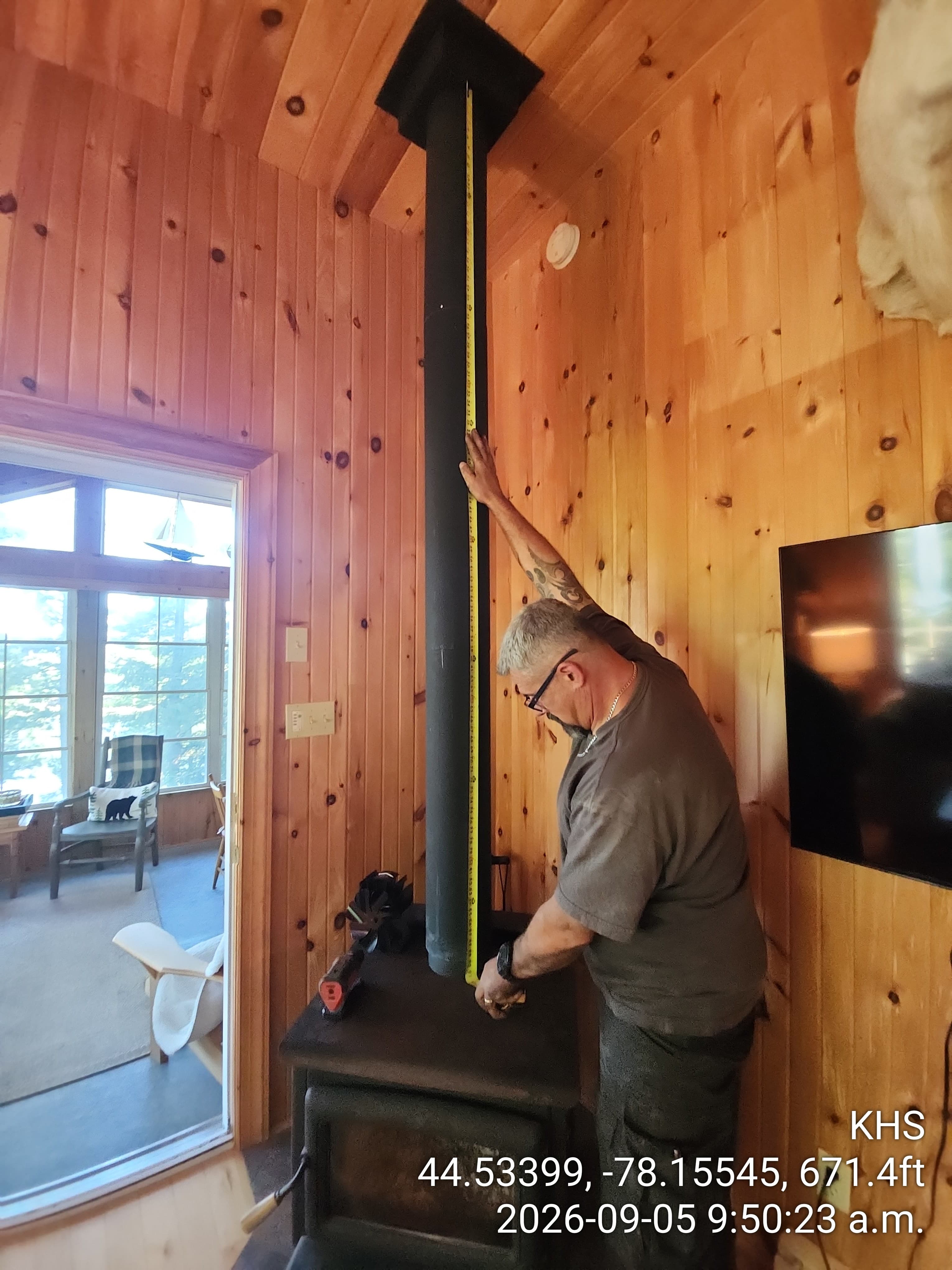
Many Norwood and Peterborough homes utilize a wood stove or fireplace as a secondary heat source to offset fuel costs during the coldest months. While this provides a cozy atmosphere, wood heating creates a unique challenge for furnace longevity. Fine wood ash and microscopic smoke particles can bypass standard filters if your wood burning unit is located near a cold air return or in an open basement shared with the furnace. This particulate matter accumulates on the blower motor and sensitive electrical sensors, potentially leading to the very repairs that trigger the $5000 rule mentioned previously.
To ensure your comprehensive heating solutions remain effective, it is vital to manage ash disposal carefully to prevent it from entering the ductwork. Furthermore, while our team provides expert furnace services to keep your primary system running, we also specialize in the wood burning side of the equation. Home insurance providers in rural Ontario frequently require certified WETT inspections to verify that your wood stove or chimney installation meets current safety codes. Integrating furnace maintenance Ontario standards with a professional wood burning inspection ensures your entire home remains protected and compliant with local policy requirements.
Keeping your furnace in peak condition is the best way to ensure a warm, worry-free winter in Ontario. Regular DIY maintenance helps, but many technical components require a specialized touch to stay efficient. If you want expert help managing your home comfort, our dedicated team is ready to assist you. You can read more about our local team and how we serve the Kawartha community with honest, reliable service. Proactive care today ensures your heating system is ready for the coldest days ahead.